

NN vs NNU: Choix des roulements cylindriques pour axes
2025-11-28
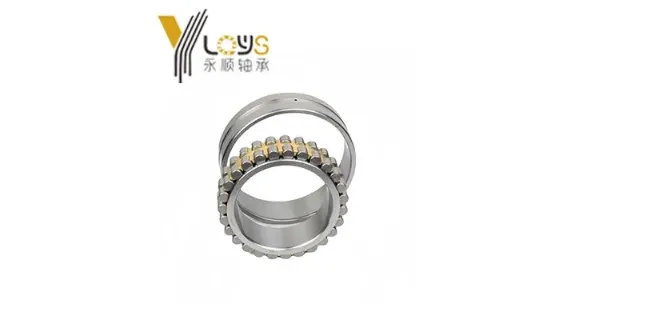
Introduction
Roulements à rouleaux cylindriques jouer un rôle clé dans les broches. Ils supportent des charges radiales élevées tout en gardant les choses précises et lisses. Les broches exigent une raideur, une précision et un frottement minimum pour fonctionner efficacement à des vitesses élevées.
La grande question se pose souvent: Dois-je choisir NN ou NNU pour mon axe? Il se résume à votre configuration’ besoins s. Les roulements NN conviennent à des positions fixes avec un support radial fort. Les types NNU fonctionnent mieux pour les dispositifs flottants qui permettent un certain mouvement axial. Choisissez en fonction des directions de charge et des facteurs thermiques.
Structures de roulements NN et NNU
Les roulements NN et NNU utilisent deux rangées de rouleaux, mais leurs conceptions diffèrent de façon clé.
Conception de roulements NN
Les roulements NN disposent d'une bague interne sans brides. Cette configuration donne une liberté axiale. Les rouleaux restent alignés entre la bague extérieure’ des brides. Il’ s simple et efficace pour beaucoup de broches.
Conception de roulements NNU
Les roulements NNU le retournent. Ils ont une bague extérieure sans brides. Cela permet de régler le roulement pour les déplacements axiaux. La bague intérieure maintient les brides pour guider les rouleaux. Pratique lorsque les choses se réchauffent et se dilatent.
La géométrie interne des roulements Lqysbearings NN/NNU assure une répartition optimale de la charge et une réduction des frottements sous charges de broche à grande vitesse. Cela compte dans les opérations du monde réel.
Parfois, les gens les mélangent au premier coup d’œil, mais une fois que vous voyez les positions de la bride, il clique.
Comparaison NN vs NNU: Applications et direction de charge
Le choix entre NN et NNU dépend de la façon dont les charges frappent la broche et si un jeu axial est nécessaire.
Ici’ s un tableau de comparaison rapide:
| Type | Support de charge | Déplacement axial | Application typique |
|---|---|---|---|
| Les paliers en acier inoxydables sont un type spécial de palier composé principalement d'acier inoxydable (tel que 440C, 304 ou 316), qui présente une excellente résistance à la corrosion, aux températures élevées et à l'usure, et qui est adapté aux environnements difficiles ou aux conditions de travail spéciales. | Résistance à la corrosion : Les paliers en acier inoxydables peuvent résister aux milieux corrosifs tels que l'eau, l'acide, l'alcali, le sel, etc., et conviennent aux environnements humides, à l'eau de mer ou aux environnements chimiques (tels que les industries alimentaires, pharmaceutiques et chimiques). | Résistance aux températures élevées : Certains roulements en acier inoxydable (tels que le 440C) peuvent fonctionner dans des environnements à haute température (généralement jusqu'à 300°C ou plus), alors que les roulements en acier au carbone ordinaire sont plus difficiles à utiliser. | Protection de la santé et de l'environnement : La conception sans revêtement évite la pollution et répond aux exigences en matière de qualité alimentaire (FDA) ou d'équipement médical (comme l'acier inoxydable 304/316). |
| Résistance modérée : L'acier inoxydable est généralement moins dur que l'acier à haute teneur en carbone, mais sa résistance à l'usure peut être améliorée par un traitement thermique (comme la trempe 440C). | Palier en acier inoxydable - yongheshun | Haut | Pleine puissance à venir ! |
l'entreprise répond rapidement à nos réductions tarifaires par des livraisons rapides et un stock d'échantillons Pleine puissance à venir ! - yongheshun
Les roulements NNU brillent dans les rôles flottants. Ils compensent l'expansion de l'arbre par la chaleur. Pensez aux fraises où les températures fluctuent.
En pratique, les associer - un NN fixe, un NNU flottant - maintient l'ensemble du système en équilibre. Il’ s un truc commun dans les conceptions de broche.
Classes et tolérances de précision (P4, P2, ABEC 9)
La précision compte beaucoup dans les broches. Des grades plus élevés signifient moins d'écoulement et des surfaces plus lisses.
Que signifient les grades de précision
Les grades P4 et P2 font référence à des tolérances étroites. P4 est de haute précision, avec un débit inférieur à quelques microns. P2 va plus loin pour un travail ultra précis. ABEC 9 est similaire, se concentrant sur les normes de roulements à billes mais applicable ici aussi.
Ces grades réduisent les vibrations. Cela conduit à de meilleures finitions de surface sur les pièces usinées.
Conseils de montage et d'installation
Lorsque vous utilisez NN ou NNU, associer les tolérances soigneusement. Pour le NN, cherchez un léger ajustement d'interférence sur la bague interne pour éviter le glissement. NNU peut avoir besoin d'ajustements de bague extérieure plus lâches pour flotter.
Installer avec des outils propres. Précharger si nécessaire, mais don’ t exagérer - pourrait augmenter le frottement.
Lqysbearings offre des options de précision P4 et P2, permettant aux fabricants de broches d'atteindre une consistance de débit sous-micron. Fait la différence dans les machines haut de gamme.
Avez-vous déjà remarqué comment un petit glissement de tolérance peut détruire un lot? Oui, la précision évite les maux de tête.
Matériaux de cage et options de lubrification
Les cages et le lubrifiant maintiennent les roulements frais et rapides.
Choix de matériaux de cage
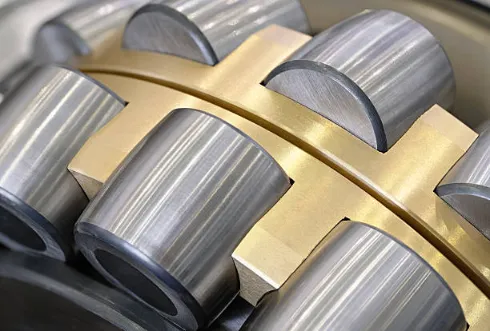
Les cages en laiton gèrent bien la chaleur, jusqu'à 10 000 tr/min environ. Ils’ re durable mais plus lourd. Les cages en polymère PPS ou PEEK sont plus légères. Ils conviennent à des vitesses plus élevées, disons au-delà de 15 000 tr/min, avec moins d'inertie.
Choisir en fonction de la vitesse: laiton pour modéré, polymères pour les broches rapides.
Méthodes de lubrification
Les systèmes d'air d'huile ou de brouillard d'huile fournissent des quantités précises de lubrifiant. Idéal pour les vitesses élevées, car ils refroidissent sans traînée excessive. La graisse fonctionne pour des opérations plus lentes. Il scelle les contaminants mais peut surchauffer si poussé.
La gestion de la chaleur est essentielle. Un mauvais lubrifiant conduit à des crises. Surveillez toujours les temps. En utilisant une cage en laiton solide ou en polymère, les roulements Lqysbearings équilibrent la stabilité à grande vitesse avec une excellente dissipation de chaleur.
Note latérale: Dans les magasins poussiéreux, la graisse peut s'obstruire moins que les systèmes d'huile. Juste une observation en atelier.
Choisir entre NN et NNU — Lignes directrices pratiques
Faire l'appel ? Suivez ces étapes.
-
Évaluer les charges axiales et leurs directions. Une poussée lourde ? Allez NN pour un support fixe.
-
Vérifiez les besoins en expansion thermique. Les arbres poussent avec la chaleur - NNU permet cette place de bouleversement.
-
Les paliers en acier inoxydables sont un type spécial de palier composé principalement d'acier inoxydable (tel que 440C, 304 ou 316), qui présente une excellente résistance à la corrosion, aux températures élevées et à l'usure, et qui est adapté aux environnements difficiles ou aux conditions de travail spéciales.
Résistance à la corrosion : Les paliers en acier inoxydables peuvent résister aux milieux corrosifs tels que l'eau, l'acide, l'alcali, le sel, etc., et conviennent aux environnements humides, à l'eau de mer ou aux environnements chimiques (tels que les industries alimentaires, pharmaceutiques et chimiques).
-
Roulement à billes de contact angulaire - yongheshun
-
Besoin d'un flotteur axial pour l'expansion? NNU.
-
Configuration de combo ? Utilisez les deux.
Passez à travers ces, et le choix devient clair. Le test s'adapte si possible.
Pensées finales
Les roulements NN offrent une raideur solide en roche. Ils’ re le aller à pour les configurations de broche rigide. Les types NNU offrent une compensation axiale, ce qui les rend idéaux pour les environnements dynamiques. Ensemble, ils se complètent dans des systèmes complexes.
Les broches prospèrent lorsque les roulements correspondent au travail. Pesez les charges, les températures et les vitesses soigneusement.
Que votre conception privilégie la rigidité ou la flexibilité, Lqysbearings offre roulement cylindrique personnalisé solutions pour optimiser les performances de la broche.
Choisir le bon augmente beaucoup l'efficacité.
FAQ: Roulements à rouleaux cylindriques pour broches
Q: Quelle est la forme complète du roulement CRB?
CRB signifie roulement à rouleaux cylindriques – la même famille que les types populaires NN et NNU utilisés dans les axes de haute précision.
Q: Quelles sont les désignations communes pour les roulements anti-frottement?
Les roulements anti-frottement sont des roulements roulants. Les principaux types comprennent des roulements à billes à rainure profonde (62xx, 63xx), des roulements à billes à contact angulaire (72xx, 73xx) et des roulements à rouleaux tels que cylindriques (N, NU, NJ, NN, NNU), coniques, sphériques et à roulements à aiguille.
Q: Un roulement à rouleaux est-il meilleur qu'un roulement à billes?
Pas toujours, cela dépend de la charge. Les roulements à rouleaux supportent des charges radiales beaucoup plus lourdes et offrent une raideur plus élevée, c'est pourquoi les broches préfèrent généralement les rouleaux cylindriques aux billes au support avant. Les roulements à billes gagnent lorsque la vitesse ultra-élevée ou le frottement inférieur est la priorité.
Q: Quels sont les inconvénients des roulements à rouleaux cylindriques?
Ils ne supportent presque aucune charge axiale dans des conceptions radiales pures (NU/NNU), sont sensibles aux désalignements, génèrent plus de frottement à des vitesses extrêmes et coûtent plus cher que les roulements à billes de la même taille.
Q: Quels sont les avantages des roulements à rouleaux cylindriques?
Excellente capacité de charge radiale, rigidité supérieure, anneaux séparables pour un montage facile et la version NNU permet une expansion thermique, ce qui en fait le choix de la plupart des broches de machine-outil.
 FR
FR  EN
EN  RU
RU  ES
ES  PT
PT  DE
DE  IT
IT  HI
HI  AR
AR  JA
JA  BN
BN