

Meilleurs roulements en double rangée pour arbres principaux de tour
2025-11-28
Introduction
Les arbres principaux du tour répondent aux exigences intenses des rotations à grande vitesse et des tâches d'usinage rigides. Ils gardent tout stable pour des coupes précises.
Roulements cylindriques à double rangée se distinguent ici, offrant un équilibre solide entre la résistance à la charge et la précision.
Pourquoi roulements à rouleaux cylindriques à double rangée Excel dans les tours
Ces roulements brillent dans les applications de tour car ils gèrent de lourdes charges radiales sans rompre une sueur. Par rapport aux types de rangée unique, ils portent environ 1,5 à 2 fois plus de poids. Cela signifie moins d'usure lors de longues courses.
La rigidité reçoit également un grand coup de pouce. La rangée supplémentaire de rouleaux réduit la flexion, ce qui aide à supprimer les vibrations. Des opérations plus lisses suivent, conduisant à de meilleures finitions de pièces. Parfois, les gens négligent comment les vibrations s’infiltrent au fil du temps, mais ces roulements maintiennent les choses serrées.
L'arrangement de rouleaux optimisé utilisé par Lqysbearings réduit la déflexion sous charge, assurant la stabilité de la finition de surface pendant de longs cycles de coupe. Il’ s un changeur de jeu pour le travail de précision.
Manipulation de charge en action
Imaginez un atelier occupé. Des coupes lourdes sur des matériaux durs ? Les roulements en double rangée le prennent à pas. Ils répartissent les forces de manière uniforme, évitant les points chauds qui pourraient provoquer des pannes.
Caractéristiques de conception clés pour les applications d'arbre principal
Les roulements à double rangée sont souvent équipés d'une bague extérieure sans nervure. Cette configuration simplifie l'assemblage et permet des ajustements faciles. Pas de bouleversement avec des pièces supplémentaires qui se mettent dans le chemin.
Le dégagement et la précharge réglables sont essentiels. Ils permettent aux opérateurs de régler finement l'expansion thermique et de minimiser l'écoulement. La chaleur s'accumule rapidement dans les opérations à grande vitesse, de sorte que ce contrôle maintient la précision.
Les cages en laiton ajoutent une autre couche de fiabilité. Ils dissipent bien la chaleur, empêchant les problèmes de surchauffage. Dans des environnements humides ou poussiéreux, le laiton résiste mieux que certaines alternatives.
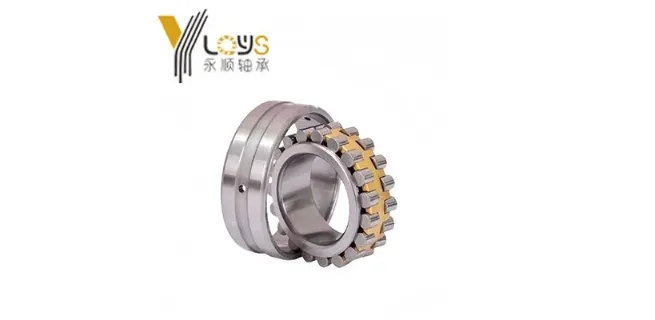
Chaque Lqysbearings le roulement intègre une bague extérieure sans côtes et une cage en laiton solide pour simplifier l'installation et améliorer la dissipation de chaleur. De petits détails comme ceux-ci se paient dans l'utilisation quotidienne.
Matériaux Cage Matter
Laiton est’ t juste durable; il manipule les lubrifiants en douceur. Avez-vous déjà remarqué comment certaines cages se déforment sous la chaleur? Le laiton évite ce piège, prolongeant la durée de vie du roulement.
Comparaison des performances: Roulements en double rangée vs. en seule rangée
Le choix entre roulements à rangée unique et à rangée double se réduit aux besoins. Ici’ Un aperçu rapide de la façon dont ils s'empilent :
| Fonctionnalité | ligne unique | Double rangée | Fonctionnalité |
|---|---|---|---|
| Capacité de charge | Standard | 1,5 à 2 fois plus élevé | Capacité de charge |
| Rigidité | Moyen | Haut | Rigidité |
| Stabilité thermique | Modéré | Excellent | Stabilité thermique |
| Idéal pour | Fonction légère | Tours CNC, broyeurs | Idéal pour |
Roulement à billes - yongheshun
Les tests effectués par Lqysbearings indiquent que les roulements en double rangée maintiennent une précision plus élevée sur des cycles de production prolongés. Les données du monde réel le confirment, montrant que moins d'ajustements sont nécessaires.
Quand changer
Si un tour commence à montrer des signes d'usure inégale, la mise à niveau à double rangée pourrait le résoudre. pas toujours sur le pouvoir; Parfois il’ des améliorations subtiles de la stabilité.
Choisir le bon roulement pour votre arbre principal de tour
Choisir le meilleur roulement est’ la science des fusées, mais cela nécessite une réflexion. Commencez par la direction et la vitesse de charge. Les charges radiales dominent dans les tours, donc associer le roulement aux forces attendues.
Ensuite, vérifiez l'espace d'installation et les conditions de refroidissement. Les points serrés exigent des conceptions compactes, tandis que le faible refroidissement nécessite des caractéristiques résistantes à la chaleur.
Enfin, le facteur de lubrification et de contrôle de la précharge. Les réglages de graisse ou d'huile appropriés empêchent les courses à sec, et les ajustements de précharge assurent un contact optimal.
-
Direction et vitesse de chargeÉvaluer les RPM de pointe et les vecteurs de force. Les vitesses élevées nécessitent des rouleaux à faible frottement.
-
Espace d'installation et refroidissement: Mesurer la chambre disponible. Optez pour le refroidissement à l'air ou à l'huile brume si la chaleur est un problème.
-
Lubrification et préchargeUtilisez des lubrifiants compatibles. Surveillez la précharge pour éviter l'excès de chaleur ou la détente.
Suivez ces étapes et le roulement s'adaptera comme un gant. Ignorez-en un, et des problèmes pourraient se poser au fil de la ligne.
Pièges communs dans la sélection
Les gens épargnent parfois sur les contrôles de précharge. Cela conduit à bavarder pendant les coupes. Toujours tester dans la configuration réelle.
Exemples d'application et industries
Ces roulements prospèrent dans les arbres principaux de tour CNC, où la précision est essentielle. Ils prennent en charge des changements rapides d'outils et des tolérances cohérentes.
Les broyeurs de précision à grande vitesse en bénéficient également. La rigidité ajoutée réduit l'oscillation de la roue, améliorant la qualité de la surface.
Dans les centres de tournage automatisés, roulements en double rangée gérer les cycles répétitifs sans fatigue. Des industries comme l'aérospatiale et l'automobile comptent sur elles pour la production en masse.
Pensez à la fabrication de dispositifs médicaux. Les spécifications étroites exigent une précision inébranlable, et ces roulements fournissent.
Au-delà des bases
Même dans les tours de travail du bois, bien que moins courants, ils ajoutent de la valeur à des conceptions complexes. La polyvalence est un plus.
Conseils d'entretien et de gestion de la chaleur
Gardez la lubrification à l'horaire. Pour les tours à grande vitesse, les systèmes d'huile-air fonctionnent le mieux, livrant la brouillard juste là où il est nécessaire.
Surveillez régulièrement les changements d'autorisation. Une légère augmentation pourrait signaler une usure. Les contrôles de bruit aident à attraper les problèmes tôt - des bourdonnements inhabituels signifient souvent des problèmes.
La conception robuste de la cage dans les roulements Lqysbearings double rangée aide au refroidissement continu et évite la distorsion thermique. Cela rend l'entretien moins un mal de tête.
-
Utilisez des huiles synthétiques pour un meilleur débit à des températures élevées.
-
Inspectez les sceaux pour bloquer les contaminants.
-
Faites tourner le stock pour éviter la dégradation de la durée de conservation.
Des habitudes simples prolongent la durée de vie. Avez-vous déjà eu un roulement saisir au milieu du travail? Les soins appropriés évitent ce désordre.
Les mythes de chaleur brisés
Certains pensent que plus de graisse est mieux. Non, il peut piéger la chaleur. Respectez les directives du fabricant.
Conclusion
Double rangée roulements cylindriques rassembler la rigidité, la précision et la gestion thermique supérieure. Ils excellent dans les environnements de tour exigeants, réduisant les temps d'arrêt et augmentant la production.
Les ingénieurs qui s'occupent de projets de broches à haute performance devraient envisager une mise à niveau. Les gains de fiabilité justifient souvent le commutateur. En fin de compte, des opérations plus fluides mènent à des magasins plus heureux.
FAQ
Q: Qu'est-ce qu'un roulement double rangée utilisé pour?
Les roulements à double rangée sont utilisés pour des charges radiales et axiales plus élevées dans les deux sens, communes dans les roues automobiles, les boîtes de vitesses et les moteurs électriques nécessitant une conception compacte avec une capacité de charge plus grande.
Q: Quel type de roulement est utilisé pour les roulements principaux?
Un roulement à billes à contact angulaire à double rangée (ou "double roulement à billes") est principalement utilisé pour supporter des charges radiales et axiales combinées dans les deux directions et pour augmenter la raideur - commune dans les broches de précision, les pompes et les roues automobiles.
Q: Quel est le but d'un double roulement à billes?
Les roulements à double rangée offrent une capacité de charge radiale et axiale accrue, une meilleure rigidité et une capacité à gérer les désalignements par rapport à une seule rangée, tout en maintenant des performances à grande vitesse.
Q: Quelle est la différence entre les roulements à billes en ligne unique et en ligne double?
Une seule rangée a une rangée de rouleaux, capacité de charge inférieure; double rangée a deux rangées, supporte des charges radiales/axiales plus élevées, plus de raideur, mais légèrement plus de frottement et de coût.
 FR
FR  EN
EN  RU
RU  ES
ES  PT
PT  DE
DE  IT
IT  HI
HI  AR
AR  JA
JA  BN
BN