

क्यों बॉल बेयरिंग टर्बो जर्नल बेयरिंग्स से लंबे समय तक रहते हैं
2025-11-20
परिचय
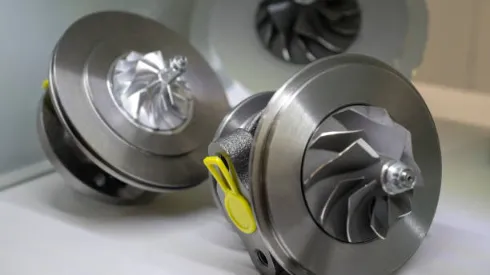
टर्बोचार्जर दहन में अधिक हवा को मजबूर करके इंजन शक्ति को बढ़ाते हैं। बीयरिंग टर्बाइन और कंप्रेसर पहियों को जोड़ने वाले स्पिनिंग शाफ्ट का समर्थन करते हैं। वे 200,000 आरपीएम तक की उच्च गति और 900 डिग्री फ़ारेनहाइट से अधिक तापमान को सहन करते हैं। अविश्वसनीय असर त्वरित विफलताओं, बिजली की हानि या क्षति का कारण बनते हैं। जर्नल बेयरिंग तेल पर स्लाइड करते हैं, जबकि बॉल बेयरिंग गेंदों पर रोल करते हैं, जो जीवनकाल और दक्षता को प्रभावित करते हैं।
गेंद असर घर्षण को कम करने के लिए गेंदों का उपयोग करते हैं, तेजी से स्पूल-अप सक्षम करते हैं। जर्नल बेयरिंग पृथक्करण के लिए तेल फिल्मों पर निर्भर करते हैं। दोनों टर्बो की सेवा करते हैं, लेकिन कम पहनने और बेहतर गर्मी संभालने के कारण गेंद कठिन परिस्थितियों में पत्रिकाओं से अध
टर्बो बीयरिंग कैसे काम करते हैं
टर्बोचार्जर में बीयरिंग की भूमिका
टर्बो में बीयरिंग रोटर असेंबली का समर्थन करें। इसमें शाफ्ट, टर्बाइन पहिया और कंप्रेसर पहिया शामिल हैं। वे रेडियल और अक्षीय भार को अवशोषित करते हुए रोटर को स्वतंत्र रूप से घुमाने देते हैं। उच्च दक्षता बनाए रखने के लिए घर्षण कम हो जाता है। कठोर वातावरण में, बीयरिंग धातु-पर-धातु संपर्क को रोकते हैं जो टर्बो को तोड़ सकते हैं।
इसके बारे में सोचें: निकास गैस टर्बाइन को फोले की गति से घुमाती हैं। बीयरिंग कंप्रेसर में उस ऊर्जा के सुचारू हस्तांतरण को सुनिश्चित करते हैं। यदि वे बांधते हैं या पहनते हैं, तो प्रदर्शन गिर जाता है। अच्छे बीयरिंग टर्बो जीवन का विस्तार करते हैं और बूस्ट स्तर बनाए रखते हैं।
स्नेहन और घर्षण सिद्धांत
स्नेहन बीयरिंग में घर्षण को कम करता है। गेंद असरों के लिए, ग्रीस गेंदों और दौड़ों को पैक करता है। यह ग्रीस अच्छी तरह से चिपकता है और धोने का विरोध करता है। जर्नल बेयरिंग मार्गों के माध्यम से पंप किए गए इंजन तेल का उपयोग करते हैं। तेल दबाव के तहत एक हाइड्रोडायनामिक फिल्म बनाता है।
पत्रिकाओं में स्लाइडिंग घर्षण गेंद असरों में रोलिंग की तुलना में अधिक गर्मी उत्पन्न करता है। गेंद सेटअप में ग्रीस निरंतर तेल प्रवाह के बिना सुसंगत स्नेहन प्रदान करता है।
टर्बो संचालन में गर्मी और भार गतिशीलता
टर्बो निकास से तीव्र गर्मी का सामना करते हैं। त्वरण के दौरान लोड स्पाइक। बीयरिंग को थर्मल विस्तार और कंपन का सामना करना चाहिए। उच्च आरपीएम केन्द्रापसारक बलों को जोड़ता है। संचालन में, गर्मी पत्रिकाओं में तेल पतला कर सकती है, जिससे टूटने का जोखिम होता है। बॉल बेयरिंगउनके ग्रीस के साथ, इन स्विंग्स में बेहतर पकड़ें।
लोड भी अलग होते हैं। दबाव अंतर से अक्षीय धक्का असरों पर धक्का देता है। रेडियल लोड असंतुलन से आते हैं। इन चुनौतियों के लिए डिजाइन करना कठिन है। कभी ध्यान दिया है कि रेस कारों में टर्बो सीमाओं को कैसे धकेलते हैं? यह’ एस जहां असर तकनीक चमकती है या विफल होती है।
क्यों बॉल असर टर्बो लंबे समय तक
कम घर्षण और तेजी से स्पूल-अप
बॉल बेयरिंग स्लाइड के बजाय रोलयह पत्रिकाओं की तुलना में 50% तक घर्षण को कम करता है। कम घर्षण का मतलब है कि भागों पर कम पहनना। स्पूल-अप तेजी से होता है क्योंकि रोटर आसानी से तेज होता है। दैनिक ड्राइविंग में, यह बिना देरी के प्रतिक्रियाशील बूस्ट का अनुवाद करता है।
हजारों मील से अधिक, कम पहनने के लिए जोड़ा जाता है। पत्रिकाएं निरंतर स्लाइडिंग से समय के साथ नीचे पीसती हैं। गेंदें समान रूप से भार वितरित करती हैं। परिणाम? गेंद टर्बो अक्सर समान परिस्थितियों में दो गुना अधिक समय तक चलते हैं। यह’ स्थायित्व में एक सीधा किनारा है।
निरंतर संचालन के तहत कम गर्मी निर्माण
गर्मी टर्बो को मारती है। निरंतर उच्च-भार रन पत्रिकाओं में तेजी से तापमान बनाता है। तेल कोक और चिपचिपापन खो सकता है। गेंद असर रोलिंग कार्रवाई के कारण कम आंतरिक गर्मी उत्पन्न करते हैं। वे ठंडे रहते हैं, घटकों को संरक्षित करते हैं।
गर्मी में स्थिरता महत्वपूर्ण है। कुछ डिजाइनों में सिरेमिक गेंदें विरूपण का विरोध करती हैं। राजमार्ग क्रूजिंग जैसे लंबे समय तक बढ़ावा देने के तहत, गेंद सेटअप हॉटस्पॉट से बचते हैं जो पत्रिकाओं को प्लेग यह सील और आवासों को अधिक समय तक बरकरार रखता है।
बेहतर स्नेहन प्रतिधारण और दक्षता
गेंद असर ग्रीस चारों ओर छड़ी। उच्च तापमान के लिए तैयार - अक्सर 500 डिग्री फ़ारेनहाइट तक - यह ऑक्सीकरण से लड़ता है। मिश्रण में एंटीऑक्सिडेंट टूटने को रोकते हैं। इसका मतलब है कि स्नेहन लगातार टॉप-अप के बिना रहता है।
-
उच्च तापमान सीमा: पिघलने के बिना चोटियों को संभालता है।
-
ऑक्सीकरण विरोधी गुण: गर्मी और ऑक्सीजन से रासायनिक परिवर्तनों का विरोध करता है।
-
शीयर स्थिरता: तनाव के तहत मोटाई बनाए रखता है।
पत्रिकाएं इंजन तेल पर निर्भर करती हैं, जो दूषित या पतला कर सकती हैं। गेंदों में ग्रीस बेहतर बनाए रखता है, पहनने को काटना। घर्षण पर कम ऊर्जा अपशिष्ट होने के रूप में दक्षता बढ़ती है। कठिन ऐप्स में, यह सेवा अंतराल को काफी बढ़ाता है।
जर्नल बीयरिंग्स के सामान्य विफलता मोड
तेल भूख और फिल्म टूटना
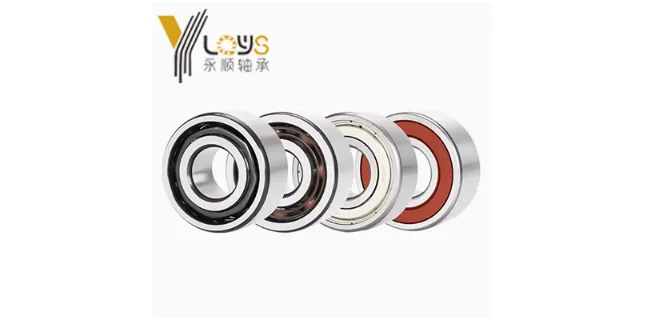
जर्नल बेयरिंग स्थिर तेल आपूर्ति पर पनपेट करते हैं। यदि दबाव गिर जाता है - एक बंद फिल्टर से कहें - तेल फिल्म गिर जाती है। शाफ्ट संपर्क आवास, सतहों को स्कोर करना। ठंडी शुरुआत या कम आरपीएम के दौरान भूख मुश्किल होती है।
फिल्म टूटना पहनने को तेज करता है। तेल में मलबे इसे खराब करते हैं। कई टर्बो विफलताओं का पता लगाते हैं। बॉल बेयरिंग सील ग्रीस के साथ मुद्दे को दूर करते हैं।
थर्मल विस्तार और धातु थकान
गर्मी धातुओं को असमान रूप से विस्तारित करती है। पत्रिकाओं में, क्लीयरेंस कसने या ढीले होते हैं। इससे शाफ्ट रगड़ने और थकान दरारें होती हैं। गर्म और ठंडे तनाव सामग्री के चक्र।
थकान समय के साथ बनती है। पत्रिकाएं गेंदों की तुलना में इससे अधिक पीड़ित हैं। विस्तार गलतियों से बाध्यता होती है। यह’ पुराने टर्बो में एक आम सिरदर्द है।
रखरखाव संवेदनशीलता
पत्रिकाएं तेल की गुणवत्ता के बारे में चुनती हैं। गंदा तेल या गलत चिपचिपापन परेशानी पैदा करता है। स्वच्छता महत्वपूर्ण है; दूषित पदार्थ नरम सतहों को खरोंचते हैं।
लगातार तेल परिवर्तन के साथ रखरखाव लागत बढ़ती है। बॉल बेयरिंग, पूर्व-ग्रीस्ड, कम उलझन की मांग करते हैं। पत्रिकाओं को सतर्क जांच, पैदल यात्रा समग्र रखरखाव की आवश्यकता होती है।
ग्रीस और स्नेहन प्रौद्योगिकी की भूमिका
गेंद असर टर्बो के लिए ग्रीस सूत्र
विशेष ग्रीस के लिए गेंद टर्बो मोटे तेलों के साथ आधार तेलों को मिश्रित करें। लिथियम कॉम्प्लेक्स या पॉलीयूरिया बेस उच्च ड्रॉप पॉइंट्स प्रदान करते हैं। योजक पानी प्रतिरोध और भार ले जाने को बढ़ाते हैं।
ये सूत्र टर्बो चरमों से निपटते हैं। उच्च गति स्थिरता फ्लिंग-ऑफ को रोकती है। यह’ विश्वसनीयता के लिए अनुकूलित तकनीक।
दीर्घायु प्रदर्शन में ग्रीस बनाम तेल
पत्रिकाओं में तेल के विपरीत, पंपों के बिना ग्रीस स्नेहन करता है। यह प्रदूषकों को बेहतर ढंग से बाहर निकालता है। दीर्घायु? ग्रीस सेटअप अक्सर परीक्षणों में तेल आधारित जीवन को दोगुना करते हैं।
तेल अच्छी तरह से परिसंचरण करता है लेकिन इंजन की गंदगी उठाता है। ग्रीस रखता है, साफ। प्रदर्शन परिदृश्यों में, निरंतर सुरक्षा के लिए ग्रीस जीतता है।
पूर्व-ग्रीस्ड बीयरिंग्स के रखरखाव लाभ
पूर्व-ग्रीस गेंदें तैयार हो जाती हैं। कोई प्रारंभिक तेल सेटअप की आवश्यकता नहीं है। यह स्थापना को सरल बनाता है और त्रुटियों को कम करता है।
लाभों में शामिल हैं:
-
कम सेवा यात्रा
-
गीली परिस्थितियों में धोने के लिए प्रतिरोध।
-
मीलों पर लगातार प्रदर्शन।
पत्रिकाएं इंजन तेल प्रणालियों से जुड़ी हुई हैं, जटिल चीजें। पूर्व-ग्रीस विकल्प स्वामित्व को आसान बनाते हैं।
टर्बो चयन में व्यावहारिक विचार
जब एक गेंद असर टर्बो चुनने के लिए
उच्च प्रदर्शन वाली कारों या रेसिंग में बॉल बेयरिंग के लिए जाएं। वे भारी भार और अक्सर बूस्ट के अनुरूप हैं। तेजी से प्रतिक्रिया और लंबे जीवन का भुगतान करते हैं।
संशोधित इंजनों में, गेंद अतिरिक्त तनाव को संभालती हैं। ट्रैक दिनों या टोइंग के लिए आदर्श।
जब जर्नल बीयरिंग अभी भी अर्थ बनाते हैं
पत्रिकाएं बजट निर्माण या स्टॉक प्रतिस्थापन के लिए फिट हैं। हल्के अनुप्रयोगों में, वे कम लागत पर ठीक प्रदर्शन करते हैं।
मध्यम रेंज दैनिक ड्राइवरों को उनकी सरलता से लाभ होता है। हर सेटअप को प्रीमियम स्थायित्व की आवश्यकता नहीं होती है।
असर अनुकूलन के लिए परामर्श निर्माता
जैसे विशेषज्ञों से बात करें योंगशुन अनुकूलित सलाह के लिए। असर निर्माताओं के रूप में, वे टर्बो आवश्यकताओं के लिए कस्टम समाधान प्रदान करते हैं। विशिष्ट इंजनों के लिए डिजाइन का अनुकूलन करें।
निष्कर्ष
गेंद टर्बो घर्षण कमी, गर्मी नियंत्रण और स्नेहन में उत्कृष्टता प्राप्त करते हैं। ये कारक पत्रिकाओं पर जीवनकाल दोगुना करते हैं। कम पहनना, कम विफलताएं।
पत्रिकाएं रखरखाव और गर्मी सहिष्णुता में पीछे रहती हैं। गेंदें विश्वसनीय, दीर्घकालिक सेवा प्रदान करती हैं।
और भी गर्म रन के लिए सिरेमिक गेंदों के लिए आगे देखें। नैनो-एडिटिव्स के साथ नए ग्रीस बेहतर सुरक्षा का वादा करते हैं।
रुझान दोनों दुनिया में सबसे अच्छा मिश्रण हाइब्रिड सिस्टम की ओर इंगित करते हैं। नवाचार सीमाओं को आगे बढ़ाता है।
चेक आउट Yongheshun’ टर्बो-विशिष्ट बॉल बेयरिंग के लिए वेबसाइट। तकनीकी सहायता प्राप्त करें या अपने सेटअप के लिए उपयुक्त उत्पादों का पता लगाएं।
FAQ: गेंद असर टर्बो बनाम जर्नल असर
प्रश्न: क्या गेंद असर टर्बो वास्तव में जर्नल की तुलना में अधिक समय तक चलते हैं?
हाँ, अक्सर उच्च भार के उपयोग में 2-3 गुना अधिक समय तक। कम घर्षण और सील ग्रीस का मतलब है कम पहनना और तेल से संबंधित कम विफलताएं।
प्रश्न: क्या एक गेंद असर टर्बो मेरी कार को ध्यान देने योग्य रूप से तेज करेगा? स्पो
ओल-अप 300-800 आरपीएम तेज है, इसलिए हां, जल्दी ही हिट्स बढ़ाएं और विशेष रूप से मध्य-रेंज में स्नैप महसूस करें।
प्रश्न: क्या गेंद असर टर्बो बनाए रखना कठिन है?
नहीं, वास्तव में आसान है। वे पूर्व-ग्रीस्ड और सील होते हैं, कोई तेल फ़ीड प्रतिबंध या लगातार तेल परिवर्तन की आवश्यकता नहीं होती है।
प्रश्न: कुछ OEM टर्बो अभी भी जर्नल बीयरिंग का उपयोग क्यों करते हैं?
लागत। जर्नल सेटअप उत्पादन करने के लिए सस्ते हैं और दैनिक ड्राइवरों के लिए पूरी तरह से ठीक हैं जो कभी ट्रैक दुरुपयोग नह
प्रश्न: क्या मैं सीधे गेंद असर संस्करण के लिए एक जर्नल टर्बो को स्वैप कर सकता हूं?
आमतौर पर हाँ, अधिकांश बोल्ट-ऑन प्रतिस्थापन समान फ्लैंज और तेल / शीतलक लाइनों को रखते हैं, बस नाली के आकार की डबल-जांच करें।
 HI
HI  EN
EN  RU
RU  ES
ES  PT
PT  DE
DE  FR
FR  IT
IT  AR
AR  JA
JA  BN
BN