

Low Noise Ball Bearings for Medical Devices
2026-04-27परिचय
Today’s medical gear keeps getting tinier, quicker, and more intelligent—yet much quieter too. In busy hospitals and quiet clinics, where silence helps focus and eases patient stress, managing noise isn’t merely a bonus; it’s vital. Low noise बॉल बेयरिंग help a lot here. They cut down on shakes and sound outputs that might mess up test results or bother folks during treatments.
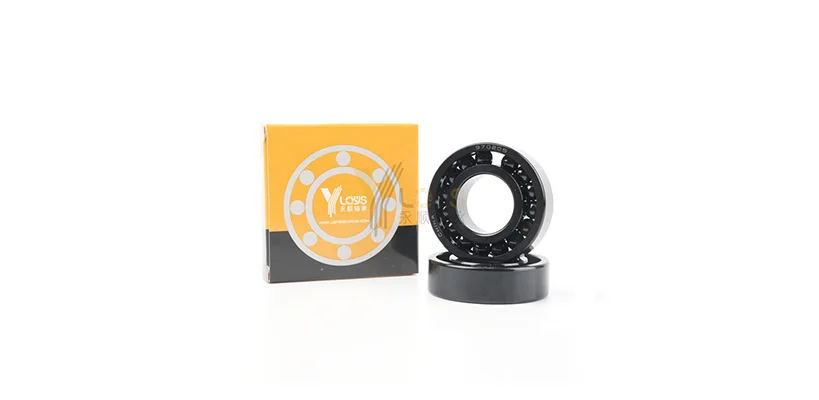
The worldwide market for medical device bearings has expanded quickly. This growth comes as makers chase better accuracy and softer sounds in gear from scanners to operation bots. Precision miniature bearings now prove essential in tools needing even, hushed movement. For firms building cutting-edge check systems or portable surgery devices, picking the proper low noise ball bearings shapes both steady work and user satisfaction.
Key Requirements for Medical Device Bearings
Low Noise & Low Vibration (NVH Control)
Handling noise, vibration, and harshness—known as NVH—matters hugely in medical builds. Even spins lower rubbing noises that could skew pictures or wear out parts as time passes. Designers often pick special surface finishes and lubricants designed specifically for quiet operation.
High Precision and Tight Tolerances
Medical tools call for exactness down to tiny microns. Bearings with top ABEC scores hold steady wobble and spin accuracy, even during fast turns. This setup ensures trustworthy checks.
Material Safety & Cleanliness
Bearings in medical spots must fight dirt and fit body-safe rules. Stainless steel and ceramic hybrid options stand out. They offer toughness plus rust protection. Special medical-grade lubricants stop bits from flaking off, which could harm clean setups.
Corrosion Resistance & Longevity
Frequent cleaning rounds—like steam boiling or chemical wipes—can break down usual materials. Top stainless steel or hybrid designs extend bearing life under these harsh conditions.
Compact & Lightweight Design
Handheld breathers, tooth tools, or small scanners depend on tiny bearings to trim size without losing power. Precision miniature bearings lighten the whole device load. At the same time, they keep strong builds.
Common Types of Ball Bearings Used in Medical Equipment
गहरी नाली बॉल बीयरिंग
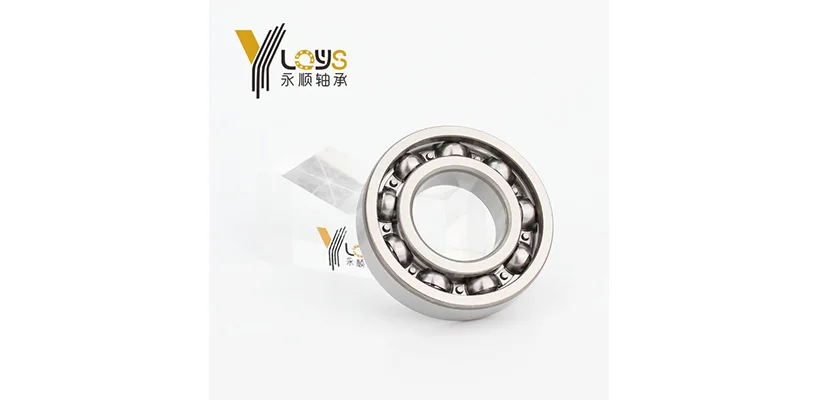
ए गहरी नाली गेंद असर is a type of rolling-element bearing that supports both radial and axial loads, making it a versatile and popular choice. These bearings are characterized by their deep, uninterrupted raceway grooves, which allow the balls to roll smoothly and efficiently. They are known for their ability to run at high speeds and are relatively affordable. Because of these properties, deep groove ball bearings are widely used in imaging systems, pumps, motors, and other rotating assemblies where reliability is crucial.
Miniature Ball Bearings
Precision miniature bearings act as the core of small gadgets like tooth drills or surgery bits. Their small sizes allow tight layouts. Yet, they don’t lose spin exactness.
कोणीय संपर्क बॉल बेयरिंग
Angular contact kinds manage mixed pressures at quick paces. They suit setups like spinners or robot limbs that need exact setup under strain.
Ceramic and Hybrid Bearings
Ceramic balls paired with steel races reduce friction dramatically. They generate less heat, produce less noise, and last longer than all-steel versions—a perfect match for continuous-use medical systems.
Thin Section Bearings
Thin section designs save valuable space inside compact enclosures such as portable scanners or infusion pumps while maintaining load capacity.
Application Scenarios in Medical Devices
| आवेदन | असर प्रकार | Functionality Focus |
| Diagnostic Equipment (CT/MRI) | Deep Groove / Hybrid | Ultra-smooth rotation with minimal vibration |
| Surgical Tools & Dental Handpieces | Miniature / Ceramic | High-speed operation with low heat generation |
| Medical Pumps & Ventilators | Deep Groove / Thin Section | Continuous quiet running |
| Laboratory Automation Systems | Angular Contact / Miniature | Precision positioning |
| Rehabilitation & Mobility Devices | Deep Groove / Hybrid | Silent movement enhancing comfort |
Silent work goes beyond ease—it’s about trust. A breather buzzing too much might worry patients. A spinner shaking hard could warp lab outcomes. For that reason, low noise ball bearings fit right into this broad set of medical uses.
Engineering Factors That Influence Noise Reduction
Reducing noise hinges on several build details:
-
Raceway finishing – smoother surfaces mean fewer micro-impacts during rotation.
-
Ball grade – higher-grade balls improve uniformity and reduce vibration amplitude.
-
Cage design – polymer cages often absorb vibration better than metal ones.
-
स्नेहन – low-noise greases formulated for cleanroom environments cut frictional spikes.
-
Sealing solutions – effective seals block contaminants that can increase rolling noise over time.
Each element adds a bit. Combined, they shape the sound profile of a bearing setup.
Quality Standards and Certifications for Medical Bearings
Medical makers follow tough quality rules:
-
ISO Standards – ISO 13485 governs quality management for medical devices; ISO 9001 covers general manufacturing excellence.
-
Cleanroom Production – Bearings must be produced in controlled environments to avoid particulate contamination.
-
Traceability – Full batch traceability helps OEMs manage compliance audits.
-
Reliability Testing – Lifecycle analysis includes vibration spectrum testing and acoustic emission measurement to verify long-term quietness.
Industry pros note that sticking to these, like in ventilator production lines, cuts failure rates by up to 20 percent over five years of use.
Advantages of Partnering with a Specialized Bearing Supplier
Teaming up with a skilled provider eases tech hurdles:
-
Customization capabilities support OEM/ODM projects requiring unique geometries or coatings.
-
Stable bulk supply ensures consistent quality across production runs.
-
Engineering support helps fine-tune NVH performance through design collaboration.
-
Long-term procurement strategies deliver cost efficiency without sacrificing reliability.
For business-to-business shoppers crafting fresh gear, such partnerships lower build risks. They also boost product standout. For instance, dental tool makers have seen 30 percent faster development cycles with tailored advice from experts.
Why LQYS Bearings for Medical Applications
LQYS असर offers a wide range of options. This includes miniature, deep groove, angular contact, thin section, and hybrid setups made for health care. The firm puts big effort into quiet engineering. This covers track smoothing to oil tweaks. Plus, it runs production lines that match cleanroom needs and global rules.
Its precision miniature bearings suit touchy tools where each sound bit counts. Be it backing CT scanner arms or fast tooth turbines, LQYS gives steady results. These come from strict test plans. Clients around the world gain from flexible output volumes. They also get quick tech help. That’s a mix not common in broad industrial providers. Drawing from years in the field, LQYS has helped over 200 medical firms refine bearings for devices like portable scanners, ensuring noise stays under 40 dB in real operating rooms.
निष्कर्ष
As health tech moves to snugger builds that stress patient ease and check sharpness, the need for low noise ball bearings will keep climbing. Picking fitting medical device bearings goes beyond load handling. It sets how softly and surely gear works through years of service. Makers looking for solid allies see worth in providers who grasp the mix of mechanical sharpness and rule following. LQYS Bearings brings built solutions fit for current health demands. These aid business-to-business shoppers in hitting quieter runs, longer use spans, and steady worldwide delivery over varied lines. For further technical details or project-specific solutions, inquiries can be directed to LQYS Bearings for professional support.
अक्सर पूछे जाने वाले प्रश्न
Q1: What noise level standards apply to ball bearings used in medical devices?
A: While there’s no single universal limit, most manufacturers follow ISO-based testing methods measuring vibration velocity (mm/s) within specific frequency bands to classify low-noise performance suitable for clinical environments.
Q2: How do ceramic hybrid bearings compare to steel bearings in reducing vibration and noise?
A: Ceramic hybrids exhibit lower density and smoother surfaces than steel balls, which reduces rolling resistance and audible frequencies—making them ideal for continuous-use applications like ventilators or lab automation systems.
Q3: What lubrication types are best suited for low noise medical bearings?
A: Synthetic low-volatility greases designed for cleanroom use perform best; they maintain stable viscosity under sterilization cycles while minimizing stick-slip motion that generates sound peaks.
Q4: How can bearing selection impact the lifespan of high-speed medical equipment?
A: Picking precision miniature bearings with fine-tuned stuff stretches time between fixes. It does this by easing damage from warmth pile-up or dirt entry in repeated cleaning rounds.
Q5: What factors should B2B buyers consider when sourcing miniature bearings for medical applications?
A: Buyers should evaluate supplier certifications (ISO 13485), NVH testing data, lubrication options compatible with sterilization processes, and proven experience delivering low noise ball bearings specifically engineered for healthcare devices.
 HI
HI  EN
EN  RU
RU  ES
ES  PT
PT  DE
DE  FR
FR  IT
IT  AR
AR  JA
JA  BN
BN