

How to Choose Long Life Bearings for Railway Transport
2025-11-14
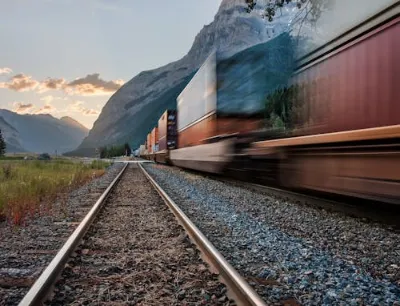
In railway transport, every minute of downtime can cost a lot of money. One of the tiniest parts on a train, the bearing, often decides if a trip runs smooth or stops for repairs.
Bearings in locomotives and railcars face tough conditions: huge weights, constant shaking, and changing weather. When they break, it’s not just loud or worn out — it can cause delays, expensive fixes, and safety risks.
So how do you pick long life bearings that can handle this pressure? Let’s check the things that count most.
Why Bearing Durability Matters in Railway Systems
Railway bearings need to work for years, usually with little upkeep. Unlike regular factory bearings, they must take big side loads from wheels and axles, plus front back loads from turns, stops, and bumpy tracks.
One bad bearing can mess up a whole train timetable or even cause crashes. That’s why picking a bearing built for lasting and trust is a must — not a choice.
Long life bearings cut total running costs, lower surprise repairs, and boost safety — all big goals for train companies.
Key Factors That Affect Bearing Lifespan
1. Load Capacity and Distribution
In rail work, bearings always carry heavy and changing weights. Cylindrical roller bearings give great side load strength and steady high speed running. But tapered roller bearings manage mixed side and front back loads better.
Pick the right inner shape. It spreads weight evenly. And it stops spot stress — a usual reason for tiredness and quick breakdown.
2. Lubrication and Sealing System
Grease is often the top way to make bearings last longer. In train areas full of dust, water, and jolts, good seals keep grease in and dirt out.
Today’s long life bearings use many lip seals and tough greases that fight rust and leaks.
Some types even give “no maintenance” work. They skip regular grease adds — great for far trips or fast trains.
3. Material Quality and Heat Treatment
The base of long bearing life is its stuff. Clean bearing steel with smart heat steps fights wear and tiredness under big weights.
Exact cutting and smooth surfaces cut friction and tiny cracks more.
Yongheshun Bearings, for example, picks top bearing steel. They use careful heat steps. This gives better strength and size steadiness, even after years on duty.
4. Operating Environment
Bearings in rail setups meet rough settings — shakes, grime, wetness, and heat changes. Pick bearings with rust proof covers, dirt proof seals, or special greases. These can add lots of service time.
When choosing, think about the whole work area — not just paper load numbers.
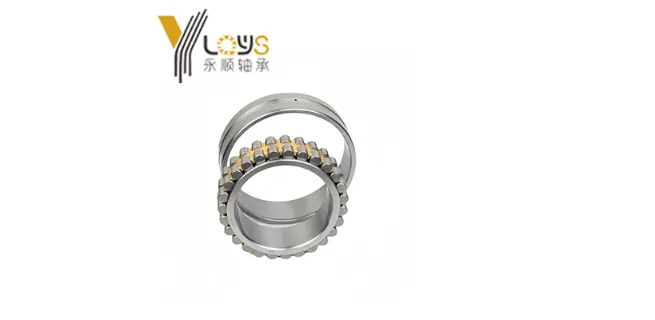
Choosing the Right Bearing Type for Railway Applications
Cylindrical Roller Bearings
These fit best for fast speeds and low rub. They suit electric pull motors and gear boxes well. Their build takes heavy side loads. It gives sharp accuracy and quiet run — important for people trains.
Tapered Roller Bearings
For heavy cargo or big front back loads, tapered roller bearings are the main pick. They give more stiffness. And they take shock hits. This makes them good for wheel sets and bogie parts.
Spherical Roller Bearings
For spots with twist or shakes — like hang systems — spherical roller bearings let self fix. They give strong load fight too. In many rail systems, mixing cylindrical and tapered roller bearings gives the top mix of speed, load, and lasting.
How to Evaluate a Bearing Manufacturer for Railway Use
Picking the right item also means picking the right buddy.
When checking a maker, look at these points:
-
Certifications and Standards: Look for ISO/TS 22163 (IRIS) and ISO 9001 okay.
-
Material Traceability: Make sure the maker handles steel pick, cutting, and heat steps inside.
-
Testing and Quality Control: Tiredness checks, size exactness, and shake looks show trust.
-
Customization Capability: A solid maker can change builds — seals, grease, or cage stuff — to your rail wants.
Yongheshun Bearings gives fit bearing fixes for railway transport. They mix exact build with tight quality watch. This brings sure long life work under the hardest setups.
Maintenance Tips to Maximize Bearing Life
Even top bearings need care. Regular checks can stop big cost breaks.
-
Watch heat, shakes, and sounds often.
-
Keep covers sealed and clean. This stops dirt in.
-
Use right fit tools. Don’t tighten too much.
-
Plan grease adds ahead — or pick sealed ones for long work.
-
Think about guess tools for live state watch.
A little spend in care can add bearing life by thousands of run hours. And that’s true.
Conclusion: Choose Longevity, Not Just Low Cost
In railway transport, bearings aren’t just parts — they guard safety and trust. Picking a cheap but weak bearing may save cash now. But it risks more stop time and fix costs later.
Long life bearings cut full life costs. They better power use. And they keep trains rolling easy — mile by mile.
Looking for tough, long life bearings for your railway jobs?
Contact Yongheshun Bearings for pro help, fit fixes, and proven work that holds up.
FAQ
Q: Why do bearings matter so much in railway transport?
One bad bearing can cause delays, expensive repairs, safety risks, and even crashes. Long-life bearings reduce downtime, total costs, and improve safety.
Q: What are the key factors that affect bearing lifespan in trains?
Load capacity and distribution, lubrication and sealing system, material quality and heat treatment, and the operating environment.
Q: Which bearing type is best for heavy axial loads in railcars?
Tapered roller bearings are the main choice for heavy cargo or high axial (front-back) loads, as they provide stiffness and handle shock impacts well.
Q: What should I look for when choosing a railway bearing manufacturer?
Certifications, material traceability, rigorous testing, and customization capabilities for seals, grease, or cages.
Q: How can I extend the life of railway bearings through maintenance?
Monitor temperature, vibration, and noise; keep seals clean; use proper installation tools.
 EN
EN  RU
RU  ES
ES  PT
PT  DE
DE  FR
FR  IT
IT  HI
HI  AR
AR  JA
JA  BN
BN