

Miniature Bearings: Reduce Friction, Save Space, Meet Project Needs
2026-01-15Miniature bearings cut friction between parts that move on their own. At the same time, they save important space in tight designs.
These precise parts need careful handling, proper lubrication, and storage in clean, controlled areas to stop any contamination. Because they are so tiny, even a small piece of dust—like one hair—can damage the balls and raceways. That often causes early failure.
A steady supply of good-quality miniature bearings prevents long wait times. It also reduces supply chain problems and helps meet project deadlines on time.
LQYS Bearings provides miniature bearings made to exact needs. They offer special lubrication services and use advanced clean production setups. These things matter a lot for such sensitive components.
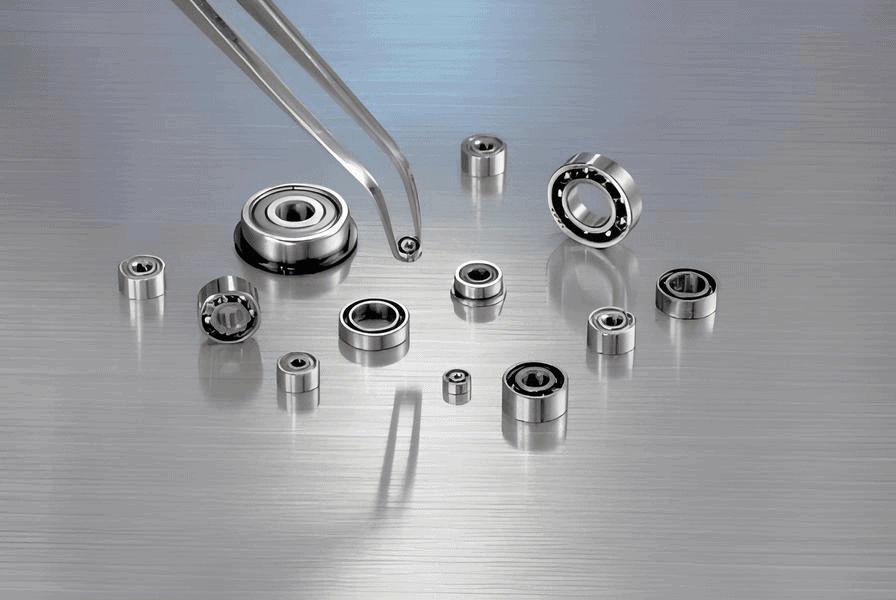
Miniature Bearings: What Are They and How They Meet Precision Requirements
Miniature ball bearings use balls as the rolling parts. They include inner and outer rings, cages (retainers), and sometimes shields or seals. People often call them instrument bearings or micro bearings.
These bearings follow standard metric sizes. Their outer diameters usually stay under 30 mm (many list them below 20 mm in older groups). Sizes range from about 1 mm bore up to around 30 mm overall. Both inch and metric types exist. Manufacturers give choices in precision levels (like ABEC ratings) and custom changes.
The tiniest ones have bores near 0.0400 inches (1 mm) and outer diameters of 1/8 inch (3.175 mm). This very small size works well in accurate systems where space is limited.
Design Attributes: What Are the Most Important Requirements of a Miniature Bearing?
Key features for miniature bearings include very high rotation speed, exact accuracy, and long service life. Low noise during fast operation often counts as a must-have.
These bearings give steady results under medium radial and axial (thrust) loads. They show very low torque when starting or running.
High-carbon chrome steel (such as 52100 or SUJ2) remains the main choice. It offers better load support, hardness, and quiet running. Still, stainless steel (e.g., AISI 440C) appears often in miniature types. This happens because of small material amounts and the strong need for corrosion protection in delicate settings.
Both chrome alloy steel and stainless steel give great strength compared to wear. They support longer life and smooth work. Ceramic and hybrid versions improve things further in tough situations. They allow higher speeds, less friction, and better handling of extreme temperatures.
Comparison of Stainless Steel vs. Chrome Alloy Steel Bearings
Chrome alloy steel stands out for load capacity (usually 20% higher than similar stainless types) and wear resistance. Its extra hardness helps in dry or normal conditions where quiet running and lasting power matter most.
Stainless steel gives strong protection against corrosion and oxidation. It works well in wet, chemical, medical, or cleanroom places. With the right lubrication, it handles temperatures up to 300°C. Chrome steel, however, loses performance quickly above 150°C.
Stainless types may cost more at first and have slightly lower load ratings. Yet their long life in rough conditions often lowers overall costs. This comes from less maintenance and fewer replacements.
LQYS Bearings supplies both chrome steel and stainless steel miniature bearings. This helps customers pick the right one based on environment, load, and performance needs. As lubrication experts, LQYS Bearings advises on the best grease or oil mixes to fit specific operating conditions.
Miniature bearings allow lubricants chosen by customers. These range from thin oils for very high speeds and low torque to special greases for longer use and better protection against dirt.
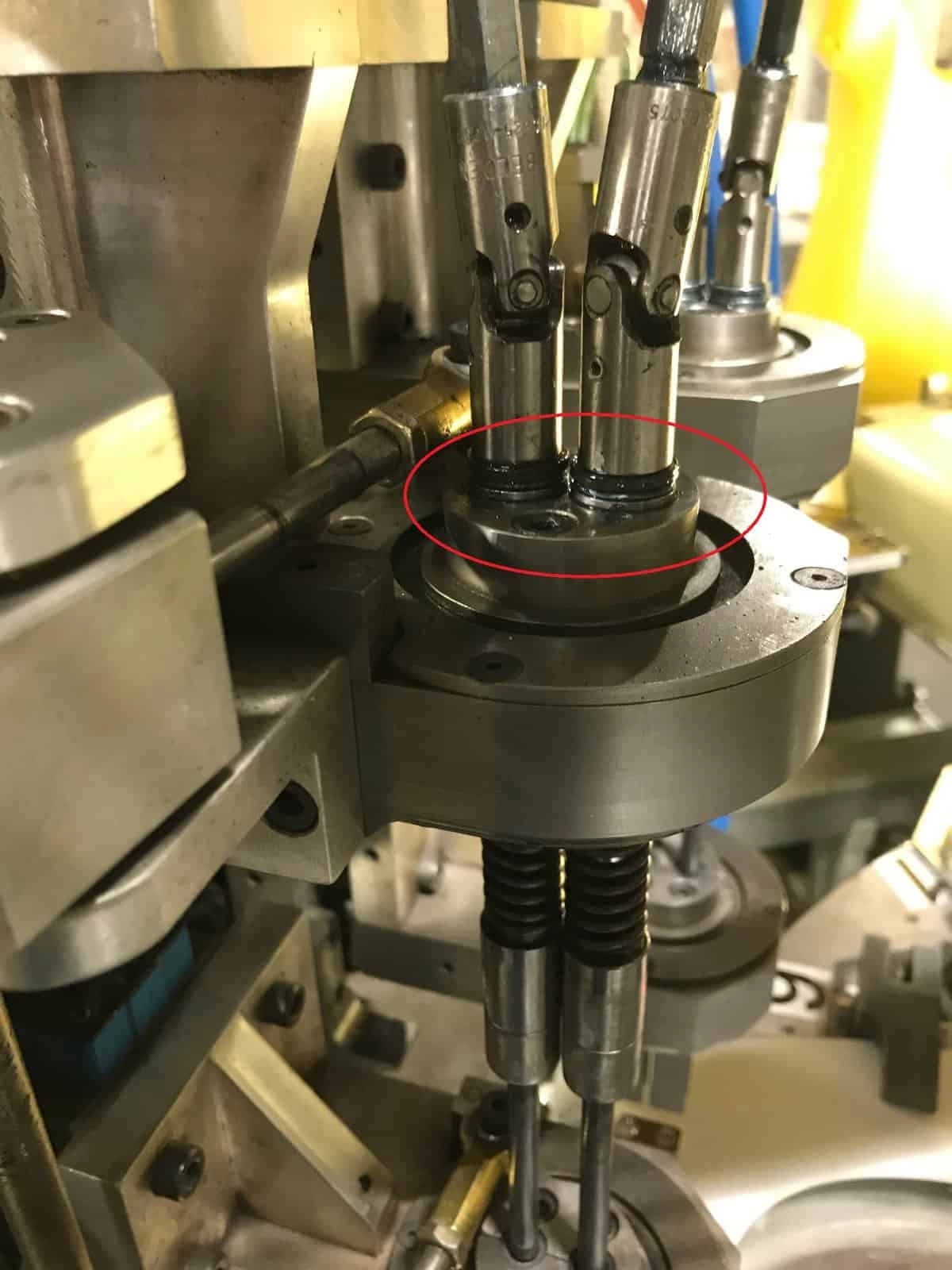
Miniature Bearing Applications
Choosing miniature ball bearings requires thought about several things:
-
Rotational speed
-
Load conditions (radial, axial, or combined)
-
Size constraints and availability
-
Environmental and accessibility factors
Miniature bearings perform best in very high-speed settings. They produce little noise, vibration, or frictional torque.
Main uses cover medical devices (surgical tools, diagnostic machines, infusion pumps), precision instruments, semiconductor production equipment, dental tools, avionics, aerospace parts, robotics (jointed arms and collaborative robots), computers and related devices, small electric motors, plus growing areas like drones, wearables, and 3D printing setups.
The industrial robotics field keeps growing strongly. Miniature bearings allow precise movement in robot joints and automation gear.
Electric vehicles and advanced driver-assistance systems increase demand too. This happens especially for small bearings in sensors, actuators, electric motors, and new energy vehicle parts.
LQYS Bearings meets these needs with bearings built for smart production, robotics use, and changing car technologies.
Challenges of Miniaturization of Bearings
Miniature bearings act as advanced engineered parts. They lower friction, improve work efficiency, and lengthen equipment life in small designs.
The global miniature ball bearings market keeps growing steadily. Recent estimates show it rose from about USD 2.04–2.20 billion to around USD 2.82–2.91 billion by 2029. Different forecasts give CAGRs from 5.5% to 7.5%. Larger small ball bearing groups show even stronger growth. They could reach USD 18–21 billion by 2032–2033 with CAGRs of 5–6.45%. Precision industries drive this rise.
Miniaturization brings clear difficulties. Production needs precision at the micron level for making, handling materials, and putting parts together. Costs jump (often 3–5 times more than regular bearings). Advanced machines become necessary to keep tight tolerances and steady quality.
Controlling contamination stays very important. Cleanroom assembly and careful handling stop failures from debris. Maintenance grows harder because of the small size. Regular checks, exact relubrication, and keeping dirt away help keep good performance and long life.
Finding dependable miniature sizes can slow projects due to uneven supply. Working with skilled suppliers fixes issues around availability, quality, and custom options.
Lubrication Best Practices for Miniature Bearings
Good lubrication creates a thin, even film between rolling parts and raceways. It cuts friction, spreads heat, and guards against wear and rust.
Oil lubricants fit low-torque, high-speed uses. They give almost no starting friction but need refills since they evaporate. Grease lasts longer, stays in place against spinning force, and works in sealed designs. However, it raises torque a bit.
Dry-film lubricants (e.g., Dicronite) help in vacuum or very clean settings where liquid types do not work.
Best methods include these steps: use filtered lubricants made for the job in clean areas; apply exact amounts (often 20–30% fill for grease to balance torque and life); stick to maker rules for type and quantity; run break-in steps to spread lubricant well and prevent too much heat; watch for color changes, separation, or dirt to know when to relubricate.
Conclusion
Miniature bearings make compact, high-performance designs possible in modern industries. They offer low friction, accurate motion, and trustable work in very little space. New progress in materials, production accuracy, and lubrication keeps widening what they can do. Demand rises from robotics, medical, semiconductor, aerospace, and electric vehicle fields.
LQYS Bearings acts as a trusted manufacturer and seller of premium miniature bearings. They provide wide choices in chrome steel, stainless steel, and ceramic materials. With combined production, precise engineering, custom lubrication knowledge, and steady global supply, LQYS Bearings helps tough applications with high-quality answers fitted to industry needs.
FAQ
What defines a miniature bearing?
Miniature bearings are ball bearings with outer diameters generally under 30 mm (often below 20–25 mm). They are built for high-precision, low-torque work in places with little space.
What materials are commonly used in miniature bearings?
High-carbon chrome steel provides superior load capacity and low noise. Stainless steel ensures corrosion resistance. Ceramic and hybrid variants offer enhanced speed, temperature tolerance, and low friction for extreme conditions.
Where are miniature bearings most commonly applied?
Key sectors include medical devices, robotics, semiconductor equipment, aerospace/avionics, dental tools, small motors, instrumentation, consumer electronics, drones, wearables, and automotive electrification systems.
How important is lubrication for miniature bearings?
Lubrication is critical for reducing friction, managing heat, preventing wear, and extending life. Custom oils minimize torque at high speeds; greases provide longevity. Proper type, quantity, and application prevent up to 80% of failures.
What challenges come with using miniature bearings?
Miniaturization demands ultra-precise manufacturing, strict contamination control, careful handling, regular maintenance, and reliable sourcing. High production costs and quality consistency pose hurdles, mitigated by partnering with capable suppliers.
Partner with LQYS Bearings – Your Trusted Manufacturer and Seller for Miniature Bearings
Manufacturers and sellers requiring consistent, precision-engineered miniature bearings gain advantages from LQYS Bearings’ integrated manufacturing and sales expertise.
LQYS Bearings supplies standard and customized solutions across materials and configurations. This comes with strict quality checks, advanced production abilities, and quick global shipping.
Contact the team today for technical consultation, competitive quotations, and optimized bearing selections to enhance project performance and reliability. Reach out via email at salesjake@lqysbearing.com, phone at +8613002187311, or WhatsApp at +8618013237311 to discuss specifications and requirements.
 EN
EN  RU
RU  ES
ES  PT
PT  DE
DE  FR
FR  IT
IT  HI
HI  AR
AR  JA
JA  BN
BN