

Self-Aligning Bearings How They Improve Alignment and Reduce Wear
2026-02-13Self-aligning bearings hold a key spot in today’s machines. They fix one main problem in spinning gear: poor lineup. Shafts and housings often line up wrong. This comes from build limits, heat growth, bend under weight, or setup slips. Regular bearings face trouble in these cases. They fail too soon. They add more rub and too much grind. Self-aligning bearings, like self-aligning ball bearings, fix this with smart build parts. These let the bearing shift on its own for angle slips. This keeps good lineup. It also cuts grind a lot. It makes the bearing last longer. And it boosts whole system trust.
Understanding Self-Aligning Bearings
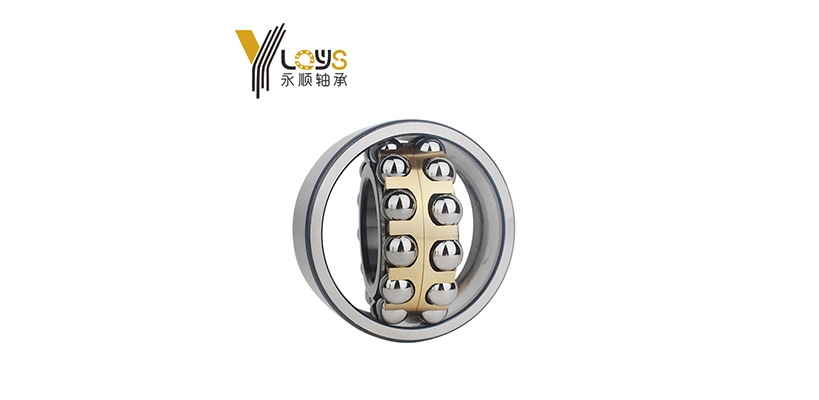
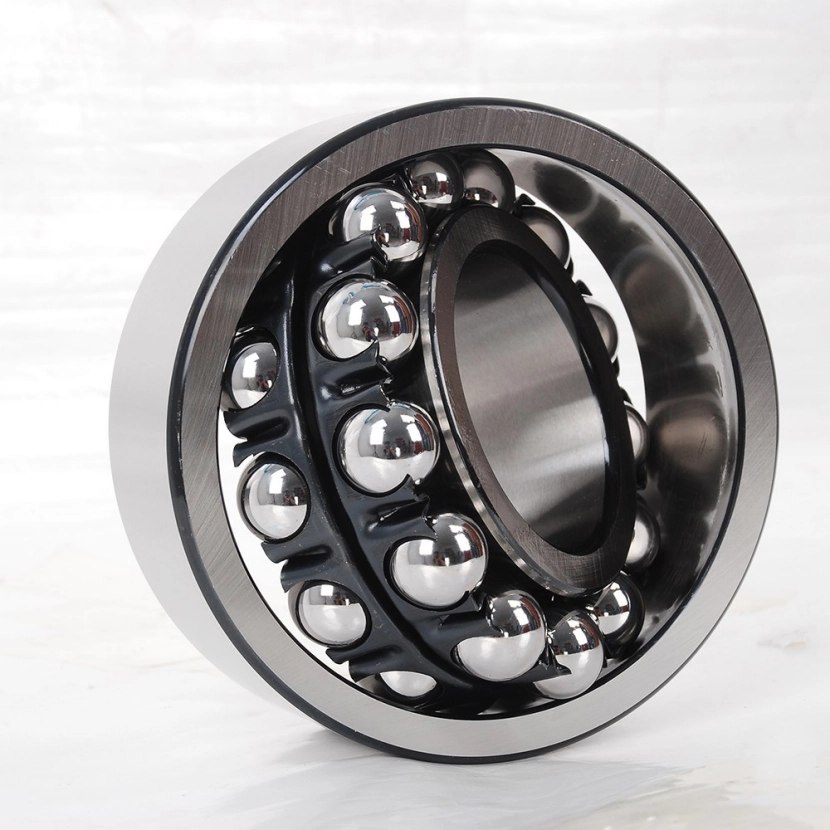
Self-aligning bearings have a special build. This makes them different from usual ball or roller bearings. The common plan has an inner ring. It holds two full track grooves. The outer ring has a round track. This round outer track has a curve center that matches the bearing’s center. So, the inner ring, balls, and holder can turn against the outer ring.
Self-aligning ball bearings often use two lines of balls. These give the self-shift job. They hold main side loads and some end loads. The build fits still and moving lineup slips up to 3 degrees. Or about 0.05 to 0.12 radians. This depends on the type and load setup. This shift happens on its own. No outside help is needed. So, these bearings work well where exact shaft-housing lineup is hard or can’t stay during use.
How Self-Aligning Bearings Improve Alignment and Reduce Wear
Self-aligning bearings bring big gains in lineup and grind cut. They do this through linked ways.
Compensating for Misalignment
The main plus is the skill to fix lineup slips. The round outer ring track lets the bearing turn and fix itself for angle shifts. These come from shaft bend, housing warp, or setup mistakes. This build ease cuts the need for exact start lineup in putting together. It handles slips that would lock or load edges in stiff bearings.
Setup room turns into a main gain in work places. Gear putters can use wider limits. This cuts prep time and money. It makes sure good work from the first. In changing spots, where shafts curve under different weights or heat shifts cause growth, the bearings keep fixing themselves. This stops stress spots that speed up break.
Reducing Wear
Grind cut comes right from the self-shift skill. It keeps best touch between roll parts and tracks. These bearings spread load even over touch spots. Uneven load, a top cause of pits, chips, and tired spots in wrong-line systems, gets less. This leads to lower spot stress and longer bearing time.
Shake cut is another key part. Wrong lineup often makes too much shake. This spreads through the setup. It adds rub and heat. Self-aligning bearings take in and cut these shakes. They do this by letting steady shifts. So, work runs smoother. And less machine stress hits linked parts.
Heat cut comes next from less rub and shake. Too much heat from uneven touch or high rub shortens oil life. It also speeds up stuff break. With self-aligning bearings, run heat stays lower. This keeps oil whole. And it stops heat-made grind.
Enhanced Performance and Longevity
The mix of better lineup and less grind turns into better work and longer life. Care times stretch. This is because bearings face less break over time. Less swaps and checks cut stop time and run costs.
Work skill gets better as machines run even with less power loss from rub and shake. Setups hit higher trust. They back steady making in hard spots.
Applications of Self-Aligning Ball Bearings
Self-aligning ball bearings see wide use in fields where lineup problems stay.
Manufacturing
In making spots, belt systems, CNC tools, cloth machines, and other auto gear often hit wrong lineup. This comes from heat growth, uneven weight, or frame curve. Self-aligning ball bearings make sure good spin in these plans. They cut stop time. And they keep exact in fast work.
Automotive
Car uses gain a lot from self-shift skills. Wheel centers face steady wrong lineup from road bumps, ride move, and weight changes. Drive shafts and gear parts handle motor shakes and frame bend. These bearings give strong hold and even work under such changing states.
Pumps
Pumps in water clean plants, chem work spots, and basic work runs often work with shaft curves. These come from flow push, pipe stress, or base sink. Self-aligning ball bearings boost trust in these wrong-line easy systems. They back good flow handle with little care.
Past these, self-aligning ball bearings fit uses in mining, metal work, oil and gas, rail, steel, power, and paper making. There, heavy weights, rough states, and lineup hard spots rule.
LQYS Bearings
LQYS Bearings acts as a sure world maker and seller of good, exact bearings. This includes a full set of self-aligning ball bearings. With new make gear, current test steps, and skill in mixing making, sales, and send out, LQYS Bearings gives sure fixes set for different work needs.
FAQ
What is the maximum misalignment angle self-aligning ball bearings can accommodate?
Self-aligning ball bearings typically handle angular misalignment up to 3 degrees, depending on the specific model, load, and operating conditions.
How do self-aligning bearings differ from standard ball bearings?
Standard ball bearings require precise alignment and rigid mounting, while self-aligning bearings feature a spherical outer raceway that allows automatic compensation for misalignment, reducing wear and extending life.
In what load conditions are self-aligning ball bearings most effective?
These bearings primarily support radial loads and can handle relatively small axial loads. They excel in applications with predominant radial forces and misalignment issues.
Can self-aligning bearings reduce maintenance costs?
Yes, by minimizing wear, vibration, and heat, these bearings extend service intervals, decrease replacement frequency, and lower overall maintenance expenses.
Are self-aligning ball bearings suitable for high-speed applications?
Many models offer excellent high-speed performance due to low friction generation, enabling cooler operation and reliable performance even at elevated speeds.
Partner with LQYS Bearings – Manufacturer and Seller of Premium Self-Aligning Solutions
Business seeking reliable, high-precision self-aligning ball bearings benefit from partnering with LQYS Bearings. As a dedicated manufacturer and seller, LQYS Bearings provides a full range of self-aligning ball bearings designed for superior alignment compensation and wear reduction. Contact the team today for expert consultation, custom solutions, competitive bulk pricing, and global supply support. Reach out via email at salesjake@lqysbearing.com, telephone at +8613002187311, or WhatsApp at +8618013237311 to discuss requirements and optimize machinery performance.
 EN
EN  RU
RU  ES
ES  PT
PT  DE
DE  FR
FR  IT
IT  HI
HI  AR
AR  JA
JA  BN
BN