

SKF Bearings VS FAG Bearings
2025-12-19The bearing market offers many options. SKF and FAG stand out as top brands. Choosing the better one depends on the exact use, working conditions, and money factors. SKF has a wider range that covers common and very special bearings. FAG focuses on carefully made standard items. Both brands have strong names for trust and good work. Often, the final pick comes down to what is in stock, personal choice, or price limits. SKF usually costs more. Yet this higher cost can bring long-term benefits based on the case. Careful check of exact needs and budget stays key to find the best fix.
The SKF Bearings
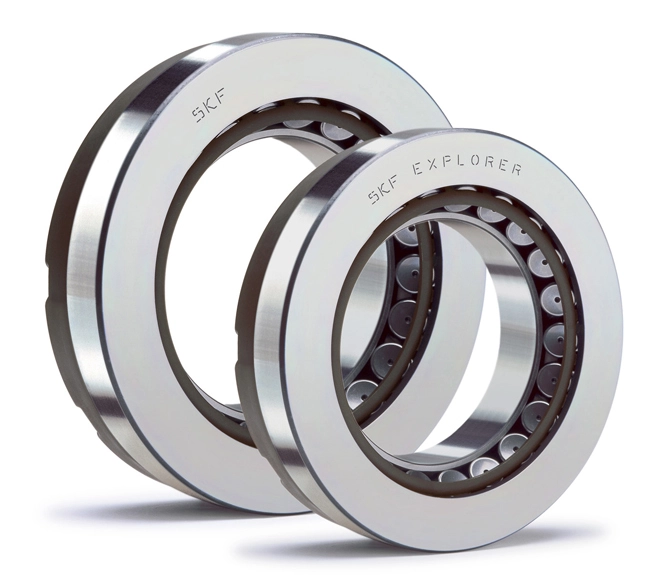
SKF has long led progress in tribology. It keeps creating items that boost efficiency and match world green goals. Workers at SKF aim to cut resource use while raising machine run time and trust. This helps protect the environment. The main Explorer series shows this idea with better raceway shapes and cage plans. These help form strong lubricant layers. This lowers friction, heat rise, and energy waste in work. Rolling parts get made to almost same sizes. This stops load unevenness and shaking. Better cage stuff and shapes guide rollers exactly. This cuts noise, wear speed, and heat making across many speed levels.
Types of SKF Bearings and Their Applications
SKF provides a huge lineup fit for different factory needs. Main groups include:
-
Deep Groove Ball Bearings: These handle fast spin speeds with little care needed. They support side loads and some push loads both ways. This makes them perfect for electric motors, centrifugal pumps, fans, and home tools. Low-friction seals and covers give better dirt protection. And they keep steady work in clean or somewhat dusty spots.
-
Tapered Roller Bearings: Built for mixed side and push loads, they shine in car wheel hubs, gearboxes, conveyor setups, and build machines. The cone shape spreads forces evenly. It stops edge pressure and lengthens life under heavy, shock loads.
-
Spherical Roller Bearings: Self-fix designs allow up to 3 degrees of shaft bend. They fit shaking screens, paper mills, and mining crushers. Barrel rollers and even raceways take big side loads plus some push forces. This cuts stop time in bent setups.
Other kinds like cylindrical roller, angular contact, and thrust bearings fill the list. They meet special needs from exact tools to ship drive. This flexibility makes SKF a top pick for aerospace, green energy, and heavy making fields around the world.
Special Features and Technologies of SKF Bearings
Own new ideas set SKF items apart. The Insocoat coating builds an electric wall on bearing faces. It stops current-caused marks and wear in variable-frequency-drive motors. This lengthens work life by up to 50% in wind turbines and electric vehicles. SensorMount systems add move sensors for easy shaft line-up during setup. It cuts install time by 30%. Mixed setups join steel rings with ceramic balls. They cut weight, inertia, and spin forces. And they raise rust fight and speed caps beyond 1 million DN values. Low-friction greases and energy-save plans further drop power use by 5-10%. This fits carbon-cut efforts in factory sites.
The FAG Bearings
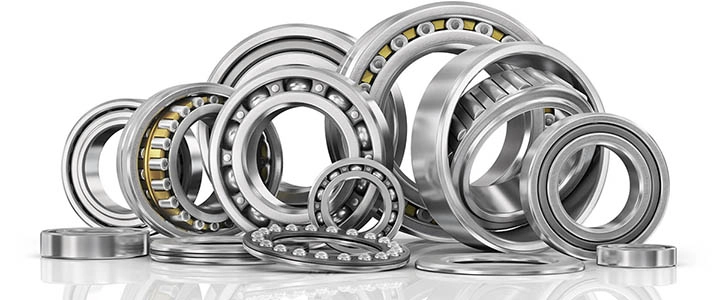
Started in 1883 and now under Schaeffler Group, FAG has a 140-year history in exact bearing making. The brand serves key fields with big, high-accuracy, and large-size answers. Uses go from sensor-added car wheel bearings to over four-meter units for wind turbine main shafts. Plane-level parts and factory spindle bearings show FAG’s skill. A team of 76,000 at 180 world spots backs research, making, and buyer help. This ensures quick reply and local know-how.
Different Kinds of FAG Bearings and Their Uses
FAG’s lineup meets exact load and accuracy wants:
-
Cylindrical Roller Bearings: High side stiffness and speed skill fit electric motors, gearboxes, and pumps. Split inner or outer rings ease fitting in tight spots.
-
Angular Contact Ball Bearings: Best contact angles let mixed load handling at high speeds. This matters for CNC spindles, robots, and turbo machines. Preload choices keep firmness under changing forces.
-
Thrust Bearings: Push load experts show in screw drives, extruders, and plane control faces. Self-fix roller thrust kinds make up for small bends.
Super-exact series with ceramic parts reach very low friction and heat steadiness. Sealed plans lengthen care gaps in tough spots.
Unique Features and Technologies of FAG Bearings
The X-life mark signals top work: finer surface ends, log roller shapes, and higher load rates give up to double the tired life versus common ones. Moving load power rises 20-50%. This cuts failure rates in steel mills and paper machines. Mixed ceramic-steel builds lessen wear at extreme speeds. They support spindle speeds to 1.5 million DN. Better lip seals and no-touch covers block dirt. This triples relube cycles. Coating tech like Cronidur 30 gives great rust and tired fight in sea and chemical work gear.
How SKF and FAG Bearings Are Made
How SKF Bearings Are Made
Making starts with vacuum-induction-melted steel for clean mix. Blanks get hot-forged. Then they go through even quench and temper to same hardness (58-62 HRC). CNC grinding hits under-micron raceway exactness. Superfinishing smooths faces to Ra < 0.1 μm. Auto assembly puts rollers into laser-led cages. It adds set lubricant and fits seals. Each unit gets shake wave check, size tests, and work load trials under ISO 9001 rules. Swedish sites keep strict quality steps. Global rework centers fix used bearings for mining and sea groups. This boosts circle economy ideas.
How FAG Bearings Are Made
High-chrome steel gets multi-axis turning. Then heat treat via case carburizing. This yields 60-65 HRC faces with bendy cores. Rollers get even grinding and honing for perfect curve. Brass or polyamide cages get stamped and fixed. Clean-room assembly under smooth air flow stops dust entry. 100% auto light and sound checks confirm shape, hardness, and strength. Schaeffler’s digital twin models guess real-world acts. They improve plans before real builds.
What Are the SKF Bearing’s Pros and Cons?
| Aspect | Advantages | Disadvantages |
|---|---|---|
| Materials | Premium steel, strict heat treatment | — |
| Technology | Insocoat, hybrid ceramics, energy-efficient greases | Complexity unnecessary for basic uses |
| Range | Vast, including insulated and sensor-integrated | Extended lead times for specials |
| Sustainability | Low-friction, remanufacturable | — |
| Cost | — | 20-30% premium over competitors |
Pros: Swedish QC, versatile seals, one-year warranty, broad size/design availability. Cons: Higher pricing, routine lubrication/cleaning, fewer ultra-niche variants than claimed.
What Are the FAG Bearing’s Pros and Cons?
| Aspect | Advantages | Disadvantages |
|---|---|---|
| Cost | 15-25% cheaper than SKF equivalents | — |
| Precision | Sub-micron tolerances, X-life longevity | — |
| Availability | Extensive stock, fast global delivery | Narrower specialized range |
| Features | — | Fewer sustainability-focused options |
Pros: German engineering, ceramic hybrids, sealed high-speed designs, excellent spindle performance. Cons: Replacement logistics complexity in remote regions.
Comparison Between SKF and FAG Bearings
Quality and Durability
SKF slightly leads in very hot or rust-causing spots due to better coatings. FAG X-life matches or beats in steady high-exact settings.
Cost-Effectiveness
FAG gives quick savings. SKF often brings lower full own costs via longer gaps and fewer breaks.
Range of Products
SKF covers more special insulated or sensor units. FAG leads car OEM and spindle lists.
Innovation and Technology
SKF stresses green plans and predict care links. FAG pushes material science for speed and load.
Customer Service
SKF offers digital sites and training doors. FAG shines in personal engineering talks.
Which Brand Is Better for Needs?
Both brands deserve money when real parts get right lubricant and regular checks. Skip cheap copies. Focus on load rates, speed caps, and setting match. Steady state watch stops big breaks. This ensures many years of service.
Final Thoughts on SKF vs FAG Bearings and Recommendations
SKF fits tough, tech-heavy uses where long life and green justify higher price. FAG gives great value in exact-critical, money-tight jobs. Match pick with work factors, budget, and supply trust for best results.
FAQ
What separates SKF from FAG fundamentally?
SKF puts focus on wide special and green tech. FAG aims at exact engineering and low cost.
Which withstands heavy industrial abuse longer?
SKF for bend and dirt. FAG X-life rivals in steady, high-speed setups.
Does SKF’s price premium pay off?
Yes in high-load, long-run cases. Lower care and energy costs balance first spend.
Primary FAG sectors?
Automotive wheel hubs, machine tool spindles, wind turbine rotors, aerospace actuators.
Selection roadmap?
Set side/push loads, RPM, bend, heat. Then check lists and talk engineers.
Partner with LQYS Bearings – Your Direct Manufacturer and Seller
LQYS Bearings, run by Shanghai Yongheshun Import and Export Co., Ltd., acts as both manufacturer and seller of precision spherical roller bearings, angular contact ball bearings, cylindrical roller bearings, and tapered roller bearings. Modern factories make OEM-grade parts for mining conveyors, wind power gearboxes, steel rolling mills, automotive transmissions, and general machinery. Strict ISO/TS 16949 quality systems, in-house heat treatment, and CNC superfinishing ensure steady work. Bulk buy, custom mark, and world shipping ease supply lines. Contact +8613002187311 or salesjake@lqysbearing.com now for fair quotes, free samples, and focused tech help. Make LQYS Bearings the base of buy plan.
 EN
EN  RU
RU  ES
ES  PT
PT  DE
DE  FR
FR  IT
IT  HI
HI  AR
AR  JA
JA  BN
BN