

Why Bearings Fail Prematurely in Agricultural Machinery
2025-11-07

Introduction
Farm equipment faces tough conditions every day. Dust kicks up, mud splatters, water seeps in, and vibrations never stop. Bearings keep things moving, but they often give out too soon. This leads to downtime and costly fixes. The article dives into why this happens and how to stop it.
The Role of Bearings in Agricultural Equipment
Where Bearings Show Up
Bearings sit in key spots across farm machines. Tractor wheel hubs rely on them for smooth turns. Gearboxes in harvesters need them to handle power transfer. Conveyors in grain systems move loads without jamming. Irrigation pumps and sprayers depend on them to push fluids reliably.
Types Often Seen
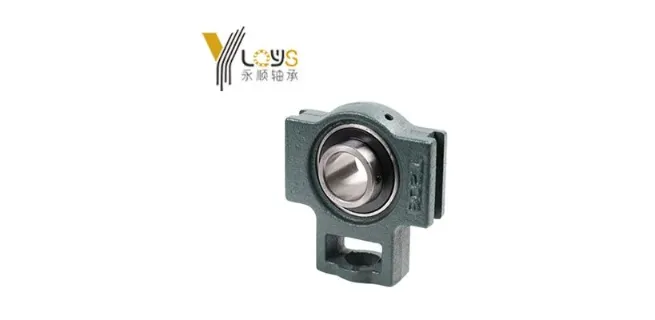
Deep groove ball bearings handle radial loads well. Tapered roller bearings take on combined loads in wheels. Insert bearings, or pillow blocks, fit into housings for easy swaps. Self-aligning bearings adjust for slight shaft bends.Yongheshun has long supplied these bearing types to OEMs in agricultural equipment, emphasizing durability and proper sealing for demanding field conditions.
Main Reasons Bearings Fail Prematurely
1. Contamination from Dust and Moisture
Fields throw everything at bearings. Soil particles grind away at surfaces. Water mixes with dirt to form sludge. Fertilizer dust sneaks past weak seals. Once inside, this mess causes scratches and pits. Rollers wear unevenly. Fatigue sets in fast.
A quick story from the shop: one farmer pulled a combine apart after harvest. The bearings looked like sandpaper had attacked them. All from a torn seal. Preventive tip: go for sealed units or triple lip designs. Grease them on schedule. It pushes contaminants out.
2. Incorrect Installation and Misalignment
Shafts that don’t line up stress bearings oddly. One side takes too much load. Races deform. Rollers skid instead of roll. Hammering bearings into place bruises the metal. Over tight fits crack housings.
Seen it happen with new hires rushing jobs. They force parts together. Result? Failure in weeks. Preventive tip: check alignment with dial indicators. Use hydraulic presses or induction heaters for mounting. Patience pays off.
3. Insufficient or Improper Lubrication
Grease dries out under heat. No lube means metal on metal. Friction builds. Temperatures spike. Bearings seize. Wrong grease type fails in water. Mixing lithium with polyurea creates soap like gunk.
Farmers sometimes grab whatever tube is handy. Big mistake. Preventive tip: pick high temp, water resistant grease made for agriculture. Follow relube charts based on hours run.
4. Overloading and Shock Loads
Tractors plow through rocks. Harvesters hit clumps. Vibrations rattle constantly. Impacts create tiny cracks. These grow into spalls. Cages bend. Rollers fragment.
Heavy loads during peak season push limits. Preventive tip: select bearings with high dynamic ratings. Opt for steel cages over plastic. They hold up better.
5. Corrosion and Chemical Damage
Chemicals eat away at metal. Pesticides corrode. Fertilizers pit surfaces. Irrigation water carries salts. Rust forms in crevices. Weak spots fail under load.
Left outside, equipment suffers overnight dew. Preventive tip: choose stainless or coated bearings for wet areas. Wipe down after chemical apps.
Environmental and Operational Factors Often Overlooked
Temperature Fluctuations
Mornings stay cool and damp. Afternoons bake. Metal expands, then contracts. Seals loosen over time. Grease thins in heat.
One operator noticed bearings hotter in summer fails. Switched to synthetic grease. Problem eased. Use stable materials. Seal housings tight.
Storage and Handling
Bearings rust in barns before install. Boxes open to humidity. Dropped parts dent. Stacked wrong, they warp.
Keep them packaged. Store off the ground on shelves. Simple step, but skipped often.
How to Extend Bearing Life in Agricultural Machinery
1. Choose Bearings Built for Agricultural Conditions
Pick ones with extra protection. Multi lip seals block debris. Pre packed with farm grade grease. Housings machined precise. Coatings fight rust.In several product lines, Yongheshun focuses on precision grinding and improved sealing performance to help agricultural OEMs extend bearing service intervals.
2. Schedule Preventive Maintenance
Overhauls every season matter. Clean out old grease. Inspect for wear. Relube per cycle. Replace seals early.
Track hours in a log. Apps help remind. Catches issues before breakdown.
3. Match the Right Bearing Type to Each Application
Not all bearings fit every spot. Here’s a quick guide:
| Application | Recommended Bearing | Key Consideration |
|---|---|---|
| Tractor wheels | Tapered roller bearing | Handles heavy axial load |
| Conveyor system | Pillow block bearing | Easy replacement and sealing |
| Irrigation pump | Stainless deep groove bearing | Corrosion resistance |
| Harvester joints | Self aligning bearing | Compensates for shaft deflection |
Match wrong, and life shortens. Test fits during design.
Extra thought: vibrations from uneven fields add up. Dampen with mounts where possible. Small tweak, big gain.
Conclusion
Bearings fail early from mixed causes. Contamination teams with poor lube. Misalignment joins overloads. Corrosion sneaks in quiet. Select tough designs. Keep things clean and greased. Maintain on time. Equipment runs seasons longer. Less stops in the field.
Through ongoing testing and close collaboration with equipment makers, Yongheshun continues to refine bearing designs that meet the unique challenges of agriculture—ensuring reliability from planting to harvest.
FAQ
Q: How often should bearings be greased in a tractor?
A: Depends on use, but every 50-100 hours for wheels. Check manual. Dusty fields need more frequent.
Q: Can mixed greases cause immediate failure?
A: Not instant, but within hours it clumps. Drain and refill clean.
Q: Are sealed bearings always better?
A: In dirty farms, yes. But relube types allow fresh grease purge.
Q: What signs show bearing failure coming?
A: Noise like grinding. Heat buildup. Vibration spikes. Catch early.
Q: Stainless bearings worth the cost?
A: In chemical heavy ops, absolutely. Last 2-3x longer.
 EN
EN  RU
RU  ES
ES  PT
PT  DE
DE  FR
FR  IT
IT  HI
HI  AR
AR  JA
JA  BN
BN