

16 типов подшипников транспортных средств, используемых в автомобильных приложениях
2026-01-29Определение подшипников транспортных средств
Подшипники для транспортных средств являются ключевыми механическими частями автомобилей и грузовиков. Они сокращают трение между движущимися деталями, удерживают вращающееся или прямое движение и хорошо распределяют вес. Эти детали помогают важным системам транспортного средства работать плавно и без больших проблем. Это включает в себя колеса, коробки передач, подвеску и двигатели. Подшипники автомобилей доступны во многих видах. Каждый из них сделан для определенных работ и нагрузок, таких как шариковые подшипники, роликовые подшипники, игловые подшипники и угловые контактные подшипники. Они играют большую роль в том, насколько хорошо работает транспортное средство, как долго оно длится и насколько безопасно. Они позволяют таким деталям, как колеса, валы и передачи, двигаться с меньшим сопротивлением и очень небольшим износом.
Подшипники образуют важные части в машиностроении. Они дают необходимую поддержку и облегчают движение во многих областях транспортного средства. Многие типы подшипников работают в мире автомобилей. Каждый из них соответствует конкретным потребностям в функции. Ниже перечислены 16 типов, часто используемых в качестве подшипников транспортных средств.
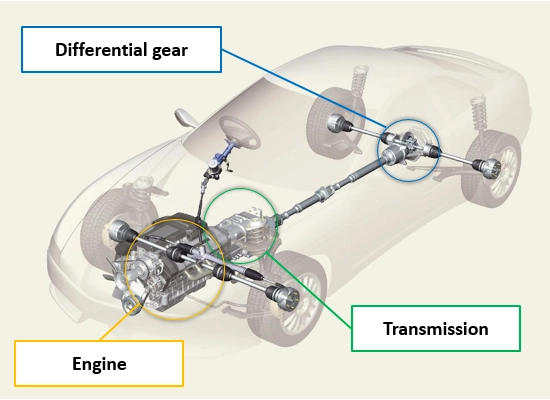
Различные типы подшипников транспортных средств
1. Шариковые подшипники
Функция: Шариковые подшипники использовать небольшие круглые катки, удерживаемые между внутренними и внешними кольцами. Они снижают трение и позволяют легко вращаться. Эта настройка хорошо справляется как с радиальными, так и с осевыми нагрузками. Он отлично работает для быстро поворачивающихся применений.
Автомобильные приложения: Шариковые подшипники часто появляются в колесных хабах. Они позволяют колесам вращаться с небольшим трением, что помогает автомобилю плавно двигаться. Они также появляются в алтернаторах, водяных насосах и коробках передач. Там высокие скорости вращения и низкое трение имеют большое значение.
2. Роликовые подшипники
Функция: Роликовые подшипники имеют цилиндровые или коничные ролики. Эти нагрузки распространяются по более крупным контактным пятнам. Они обрабатывают более тяжелые радиальные и осиевые нагрузки, чем шариковые подшипники. Однако они сохраняют низкое трение.
Автомобильные приложения: Коничные роликовые подшипники имеют большое значение в колесных хабах. Они несут автомобиль’ с весом и справляться с силами от ускорения, замедления и поворота. Они также поддерживают дифференциальные системы и передачи. Они требуют сильной нагрузки и длительного срока службы.
3. Игловые подшипники
Функция: Игловые подшипники имеют тонкие, длинные цилиндровые ролики. Их соотношение длины к диаметру высокое. Это дает сильную поддержку радиальной нагрузки в небольших пространствах.
Автомобильные приложения: Иглочные роликовые подшипники вписываются в валы коробки передач, качальные руки, соединительные прутники и компрессоры. Их узкая форма хорошо работает в узких местах. Эти пятна требуют хорошей радиальной прочности в трансмиссиях и деталях двигателя.
4. Подшипники тяги
Функция: Подшипники тяги фокусируются на поддержке осевой нагрузки. Они останавливают осиевые сдвиги. Они доступны в стилях мячевой тяги и роликовой тяги для удовлетворения определенных потребностей в нагрузке и скорости.
Автомобильные приложения: Подшипники тяги выполняют важную работу в установках отпуска сщепления. Они обрабатывают осиевые нагрузки, когда сцепление вступает или освобождается. Они также появляются в некоторых конструкциях коробки передач, чтобы оттолкнуть осиевые силы от работы передач.
5. Сферические подшипники
ФункцияСферические подшипники обрабатывают угольное неправильное выравнивание с сферическими поверхностями на внутренних и внешних кольцах. Это позволяет изгибаться в направлениях движения.
Автомобильные приложения: Эти подшипники идут на части подвески, такие как руки управления и крепления опоры. Они поглощают шоки и управляют движениями во многих направлениях. Это обеспечивает большую стабильность и комфорт на холстых дорогах.
6. Простые подшипники (подшипники)
Функция: Простые подшипники или корпусы предлагают слайдовую поверхность с низким трением между деталями. Они используют такие материалы, как бронза или полимеры, вместо прокатки деталей.
Автомобильные приложения: Простые подшипники удерживают системы подвески в управляющих руках и колебаниях. Они также работают в качестве соединительных валок двигателя и пионтов шасси. Это позволяет плавное действие слайда без фантастических настроек катки.
7. Подшипники углового контакта
ФункцияУгольные контактные подшипники обрабатывают смешанные радиальные и осиевые нагрузки. Они направляют силы под углом. Это дает большую прочность нагрузки, чем обычные шариковые подшипники.
Автомобильные приложения: Эти подшипники часто сидят на передних колесных хабах. Они управляют весом транспортного средства (радиальным) и боковыми силами от поворотов (осиевыми). Это повышает стабильность, управление и общую производительность.
8. Коничные роликовые подшипники
Функция: Конусные роликовые подшипники используют конусные ролики. Они хорошо распределяют нагрузки и отлично работают в тяжелых смешанных радиальных и осивых условиях.
Автомобильные приложения: Эти подшипники регулируют колесные хабы, трансмиссии и дифференциалы. Они дают острое рулевое управление и долговременную прочность в тяжелых нагрузочных случаях. Примерами являются внедорожные транспортные средства и тяжелые грузовики.
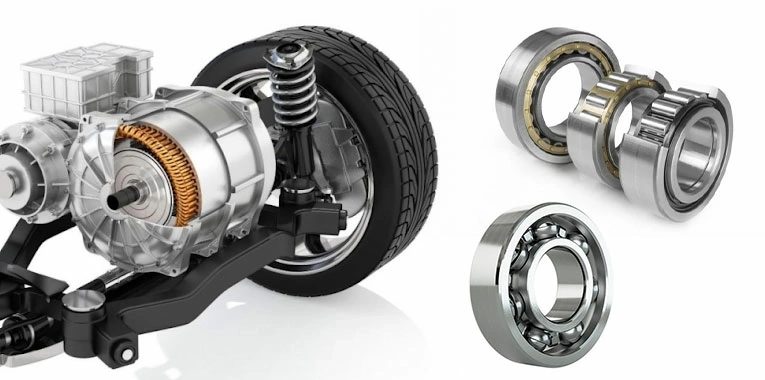
9. Цилиндрические роликовые подшипники
Функция: Цилиндрические роликовые подшипники фокусируются на высокой радиальной прочности нагрузки с некоторой осевой помощью. Они предлагают низкое трение и подходят для высокоскоростной работы.
Автомобильные приложенияОни часто появляются в электродвигателях, трансмиссиях, алтернаторах, коробках передач и кольцевых валах. Эти подшипники обеспечивают стабильную радиальную поддержку и хорошую работу на высоких скоростях.
10. Самовыравнивающиеся шариковые подшипники
Функция: Самовыравнивающиеся шариковые подшипники имеют два ряда шариков и сферическую внешнюю гоночную полосу. Это исправляет неправильное выравнивание вала.
Автомобильные приложения: Эти подшипники подходят для рулевых колонн и некоторых частей подвески. Эти части сталкиваются с изменениями в выравнивании. Они поддерживают работу гладко даже с небольшими сменами.
11. Магнитные подшипники
ФункцияМагнитные подшипники используют магнитные поля для удержания вращающихся валов без прикосновения. Это устраняет трение для быстрой работы с низким содержанием.
Автомобильные приложенияОни начинают появляться в электромобилях и турбокомпрессорах. Магнитные подшипники позволяют действовать без трения в быстро движущихся деталях.
12. Подшипники журнала
Функция: Подшипники журнала имеют смазанные рукавы цилиндров. Они поддерживают валы с скользящим движением и остаются прочными при больших нагрузках.
Автомобильные приложения: Эти подшипники держат кольцевые валы двигателя и кулачные валы в обычных двигателях. Они хорошо справляются с высоким давлением.
13. Линейные подшипники
ФункцияЛинейные подшипники позволяют прямое движение с низким трением вдоль линии. Они отличаются от типов спининга.
Автомобильные приложения: Линейные подшипники помогают с перемещениями сидений и установками раздвижных дверей. Они требуют точного прямого действия.
14. Подшипники освобождения сцепления
Функция: Подшипники для освобождения сцепления обрабатывают осиевые нагрузки в ступенях вступления и отключения сцепления.
Автомобильные приложения: Они важны в ручных передачах. Эти подшипники делают сдвиг гладким, разрезая трение и удерживая осиевые силы.
15. Гидродинамические подшипники
ФункцияГидродинамические подшипники создают смазочный слой между поверхностями. Это дает работу с низким трением при высоких скоростях и уровнях тепла.
Автомобильные приложенияВ основном они используются в турбокомпрессорах. Эти подшипники хорошо работают в сложных условиях за пределами обычных подшипников.
16. Подшипники воздуха
Функция: Воздушные подшипники используют слои давленного воздуха для движения почти без трения.
Автомобильные приложенияОни в основном появляются в специальных испытательных установках и испытательных автомобилях. Они требуют очень точных и плавных действий.
Вывод
Подшипники транспортных средств выступают в качестве основных частей, которые стимулируют эффективность системы автомобиля, надежность и длительный срок службы в различных условиях. Широкое сочетание типов подшипников, каждый из которых настроен на конкретные задачи, помогает улучшить работу и безопасность транспортного средства. Регулярные шариковые подшипники позволяют легко действовать колесом и алтернатором. Сильные коничные роликовые подшипники выдерживают большие нагрузки в передачах и дифференциалах. Иглочные подшипники дают небольшие фиксации высокой нагрузки в трансмиссиях. Подшипники для тяги обеспечивают точную обработку сцепления. Сферические подшипники повышают гибкость подвески. Простые подшипники сокращают скользящее трение в пятнах шасси. Угольные контактные подшипники создают сильную стабильность колеса в движении. Правильный выбор и использование этих подшипников остается жизненно важным для доверия к автомобилю и чувства вождения. Новые изменения в материалах подшипников, методах уплотнения и конструкциях с низким уровнем трения продолжают удовлетворять новые потребности обычных и электромобилей. Это включает в себя более длительную мощность, меньшее потребление энергии и улучшенные уровни NVH.
Часто задаваемые вопросы (FAQ)
Что определяет подшипники автомобилей и их главную роль в автомобилях?
Подшипники транспортных средств сокращают трение, удерживают движение и распределяют нагрузки в автомобильных системах. Они непосредственно влияют на производительность, эффективность, безопасность и срок службы частей.
Какие типы подшипников наиболее эффективно поддерживают тяжелые комбинированные нагрузки в колесных хабах?
Коничные роликовые подшипники и угловые контактные подшипники лучше всего работают в колесных центрах. Они обрабатывают большие радиальные и осиевые силы от веса транспортного средства и поворотных сил.
Часто ли в обычных транспортных средствах появляются магнитные или воздушные подшипники?
Эти передовые типы в основном подходят для электромобилей, турбокомпрессоров или специальных испытаний. Они мало встречаются в обычных производственных автомобилях.
Как игольные подшипники способствуют эффективности передачи?
Их небольшой размер и высокая прочность на радиальную нагрузку подходят для тугих областей. Это делает их идеальными для валов коробки передач и других близких мест с высокой нагрузкой.
Какие ключевые соображения направляют выбор подшипников для автомобильных приложений?
Факторы охватывают вид и размер нагрузки, скорость вращения, установку помещения, рабочее тепло, внешние условия, необходимый срок службы и время обслуживания.
Партнер с ведущим производителем и продавцом подшипников автомобилей премиум-класса
Производители автомобилей, поставщики OEM, дистрибьюторы запасного оборота и промышленные партнеры, ищущие надежные подшипники с точной конструкцией для транспортных средств, могут полагаться на Подшипники LQYS. Как специализированный производитель и продавец, LQYS подшипники (работающие под Shanghai Yongheshun импорт и экспорт Co., Ltd.) производит и поставляет высокоточные, высококачественные автомобильные подшипники, включая угловые контактные шариковые подшипники, коничные роликовые подшипники, игловые роликовые подшипники, цилиндрические роликовые подшипники, шариковые подшипники и многое другое. Эти продукты обращаются к колесам, коробкам передач, двигателям, рулевому управлению и другим критически важным системам с повышенной безопасностью, превосходной долговечностью при вибрациях и ударах, уменьшенным обслуживанием, улучшенной топливной эффективностью благодаря конструкциям с низким уровнем трения, тихой производительностью NVH, компактными решениями для установок с ограниченным пространством и надежной работой в широких температурных диапазонах (- Благодаря объекту площадью 12 000 м², передовым производственным процессам, современному оборудованию для испытаний и экспорту в более чем 30 стран, LQYS Bearings поддерживает требования OEM и послепродуктового рынка во всем мире. Свяжитесь с командой для индивидуальных решений, котировок или возможностей сотрудничества по электронной почте по адресу salesjake@lqysbearing.com , телефон по 8613002187311, или WhatsApp по 8618013237311.
Предыдущая: почему-выбрать-иглы-роликовые подшипники
Следующий : топ-10-подшипников-производителей-вы-должны-знать
 RU
RU  EN
EN  ES
ES  PT
PT  DE
DE  FR
FR  IT
IT  HI
HI  AR
AR  JA
JA  BN
BN