

Difference Between Cylindrical and Spherical Roller Bearings
2026-04-09Cylindrical roller bearings and spherical roller bearings play key parts in today’s machines. They back turning motion. They also cut down on friction. Both kinds fit into the larger group of roller bearings. But their clear builds lead to varied work traits in push handling, line fit room, and run spots. Knowing these gaps aids build pros and buy teams. It lets them pick the right bearing for set factory needs.
1. Design and Structure
a. Cylindrical Roller Bearings
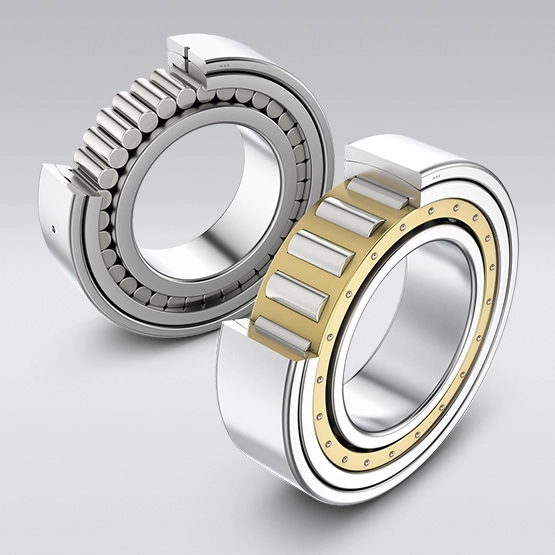
Cylindrical roller bearings have straight cylindrical rollers. These rollers get guide by edges on the inner or outer rings. A cage keeps even gaps. The rollers hold line touch with the paths. This gives high side stiff. Common one-row builds include split setups. In some kinds, the outer ring, rollers, and cage can split from the inner ring. Stuff often uses high-chrome bearing steel. This brings lasting under big pushes.
LQYS Bearings supplies both single-row and double-row cylindrical roller bearings. One-row types give small builds fit for fair pushes and end shift room. Double-row types bring more stiff and higher push hold for hard work.
b. Spherical Roller Bearings
Spherical roller bearings use two rows of barrel-form (round) rollers. These work on a round outer ring path. The inner ring usually has two paths. The outer ring’s round shape lets it self-line. This build has matching rollers. It often adds a guide ring or cage for steady. Kinds come with round or taper holes. These ease set on shafts.
The self-line skill, which often takes up to ±3 degrees of line shift, sets these bearings apart. It cuts edge push in tough states.
2. Load Capacity and Performance
a. Cylindrical Roller Bearings
These bearings do well in high side push uses. Their line touch shape spreads forces even along the roller length. They back high speeds with fairly low rub in well-line setups. End push hold stays small in main builds (e.g., NU or N types). But edge builds like NJ or NUP let light to fair one-way or two-way end pushes. Two-row kinds boost full stiff and push levels.
Better cage builds in new cylindrical roller bearings aid steady high-speed run. They also help oil spread.
b. Spherical Roller Bearings
Spherical roller bearings deal with big side pushes. They also take fair end pushes in both ways. The two-row setup and barrel-form rollers grow the touch spot. This backs heavy mixed pushes. Work stays strong under hit pushes and shakes. The round outer path takes moving line shifts without big hold loss. These bearings fit fair to high speeds in hard spots. But rub levels can top those of cylindrical builds. This comes from the self-line parts.
3. Misalignment Compensation
Cylindrical roller bearings need exact shaft and house line for best work. Line shift raises edge load on rollers. This speeds wear, lifts run heat, and cuts use time. Some split builds ease set. But they give small built-in fix for shaft bend or house change.
Spherical roller bearings bring good self-line traits. The round outer path lets the inner ring and roller group turn against the outer ring. This fixes angle line shift from shaft bend, set errors, or heat spread. This skill helps a lot in big machines with shake or uneven pushes. It lengthens bearing life. It also cuts early fail risks.
4. Common Types of Cylindrical Roller Bearings
Some set names mark cylindrical roller bearing kinds based on edge setups and spot skills:
-
NU Type: Outer ring with two edges; no edges on inner ring. Lets big end shift; best as a non-spot (float) bearing.
-
N Type: Inner ring with two edges; no edges on outer ring. Has like float traits with split outer ring.
-
NJ Type: Outer ring with two edges, inner ring with one edge. Backs small one-way end push; works as a half-spot bearing.
-
NF Type: Inner ring with two edges, outer ring with one edge. Deals with bigger one-way end pushes in some setups.
-
NUP Type: Has a loose edge (collar) on the inner ring along with double edges on the outer ring. Gives end spot in both ways; fits as a fixed-end bearing.
-
Double-row variants (e.g., NNU, NN): Bring higher stiff and push hold for hard uses.
These setups let bend setups in fixed-float bearing pairs. They show common in gear boxes, electric motors, and machine tool turns.
LQYS Bearings provides single-row and double-row cylindrical roller bearings built for high side pushes, exact, and long use time.
5. Common Types of Spherical Roller Bearings
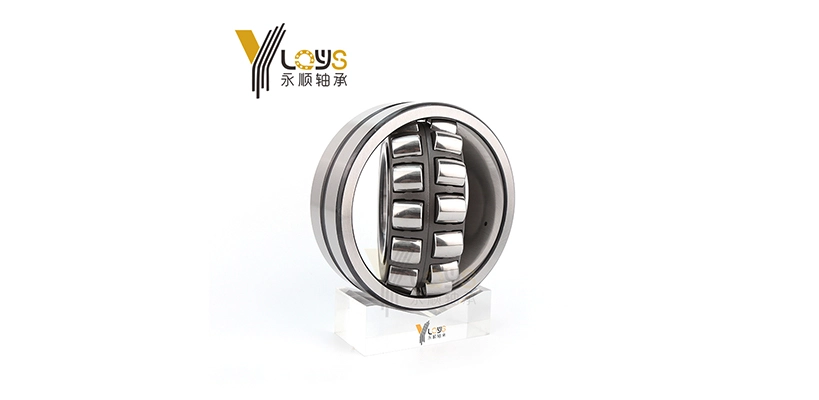
Spherical roller bearings main follow line names that show size and push levels:
-
222 Series: Common for main hard work uses with even side and end skills.
-
223 Series: Has higher push levels, often used in shake screens, crushers, and gear with hard hit pushes. Many 223 kinds add better gaps (e.g., C4) and oil parts for shake work.
-
Other lines like 213, 230, 231, 232, 240, and 241 grow picks for set size and work needs.
Bearings come with round holes or taper holes (end K for 1:12 taper, K30 for 1:30 in some lines). These ease set with fit or pull sleeves. Cage picks cover stamped steel or cut brass. Some builds fit dirty spots through seals.
LQYS Bearings offers spherical roller bearings with two-row barrel-form rollers, self-line up to ±3 degrees, and strong build for heavy side and fair end pushes under rough states.
6. Speed, Friction, and Operating Conditions
Cylindrical roller bearings often back higher turn speeds. This comes from lower rub in line touch and fit shapes. They work well in exact uses needing stiff and small heat make, like turns or high-speed gear boxes.
Spherical roller bearings run well under hard states like hit, shake, and dirt. Their speed caps may sit lower than same cylindrical bearings in clean, line setups. But new builds with hard-face cages or special gaps keep work in real big machine spots. Good oil and seal picks add more trust in dirty or wet spots.
7. Applications in Industry
Cylindrical roller bearings show often in uses that put first high side pushes and speed:
-
Electric motors and pumps
-
Gearboxes and transmissions
-
Machine tool spindles
-
Rolling mills
-
Conveyor systems
-
Automotive and aerospace components
Their stiff and exact fit exact machines where line can get checked.
Spherical roller bearings meet hard work, line shift spots:
-
Mining equipment and crushers
-
Vibrating screens and feeders
-
Steel and paper mills
-
Construction machinery
-
Agricultural equipment
-
Industrial gearboxes under deflection or thermal stress
These bearings cut stop time in fields with change pushes or hard set states. LQYS Bearings products back many fields. These include mechanical equipment, railway, automobile, steel, metallurgy, mining, oil, papermaking, water and electricity, and engineering projects.
8. Selection Considerations
Build pros check side vs. mixed push needs, hoped line shift, run speed, and spot factors when picking between these bearing kinds. Cylindrical builds like high-speed, high-side-push spots with good line check. Spherical builds give bend in heavy, line shift, or shake uses. Hole type (round or taper), cage stuff, inner gap, and seal also shape last pick. Right set, oil, and fit gaps stay key for max use time in both kinds.
FAQ
What is the primary difference between cylindrical and spherical roller bearings?
Cylindrical roller bearings use straight rollers for superior radial load capacity and higher speed potential with limited misalignment tolerance. Spherical roller bearings employ barrel-shaped rollers in a two-row configuration on a spherical outer raceway, enabling self-alignment and combined radial-axial load support in demanding conditions.
Which bearing type handles misalignment better?
Spherical roller bearings accommodate angular misalignment (often up to 3 degrees) thanks to their self-aligning design. Cylindrical roller bearings require precise alignment and offer minimal compensation.
Are cylindrical roller bearings suitable for axial loads?
Basic designs (NU, N) handle negligible axial loads and serve as floating bearings. Ribbed variants (NJ, NF, NUP) support limited unidirectional or bidirectional axial loads, making them suitable for locating positions in fixed-floating arrangements.
What industries commonly use spherical roller bearings?
Mining, construction, steel manufacturing, paper mills, vibrating equipment, and heavy machinery where shock, vibration, and shaft deflection occur.
Does LQYS Bearings offer both cylindrical and spherical roller bearings?
Yes. The company supplies single-row and double-row cylindrical roller bearings as well as spherical roller bearings in standard series, with options for various bore types and configurations.
Partner with a Reliable Manufacturer and Seller for Your Bearing Requirements
LQYS Bearings, as an established manufacturer and seller of high-precision bearings, integrates advanced production equipment, modern testing processes, and strict quality control to deliver consistent performance across cylindrical roller bearings, spherical roller bearings, and other types. With a factory area of 12,000 m² and a focus on high-quality solutions for diverse industries, the company supports OEM customization and serves global clients through professional export services. Procurement teams seeking durable, precision-engineered roller bearings for radial-heavy or misalignment-prone applications can contact LQYS Bearings for tailored product recommendations, technical specifications, and competitive supply options.
Reach out via telephone at +8613002187311, WhatsApp at +8618013237311, or email at salesjake@lqysbearing.com to discuss specific project needs and secure reliable bearing solutions from a trusted manufacturer and seller.
 EN
EN  RU
RU  ES
ES  PT
PT  DE
DE  FR
FR  IT
IT  HI
HI  AR
AR  JA
JA  BN
BN