

SKF vs. Timken Bearings: A Comprehensive Comparison
2026-04-10When picking bearings for factory machines, SKF and Timken stand out as two top worldwide makers. They know for lasting strength, work output, and new ideas. Both marks give solid fixes for many uses. Yet they vary in build ideas, stuff methods, and best fit spots.
A Quick Overview of Bearings
Bearings act as main machine parts. They cut rub between moving bits. They also hold side and end pushes. These tools show up in car, air space, big machine, power make, and build fields. Main groups cover rolling-part bearings (ball and roller kinds). They also include plain bearings (like tube styles). Rolling-part bearings deal with mixed pushes well. They lead most new uses. This comes from low rub and high-speed skills. Plain bearings bring ease in slow-speed or back-and-forth spots.
Top makers like SKF and Timken put much into study and build work. They boost push hold, speed caps, seal tech, and use time. This fits hard work needs.
SKF Bearings: History, Range, and Benefits
The Legacy of SKF Bearings
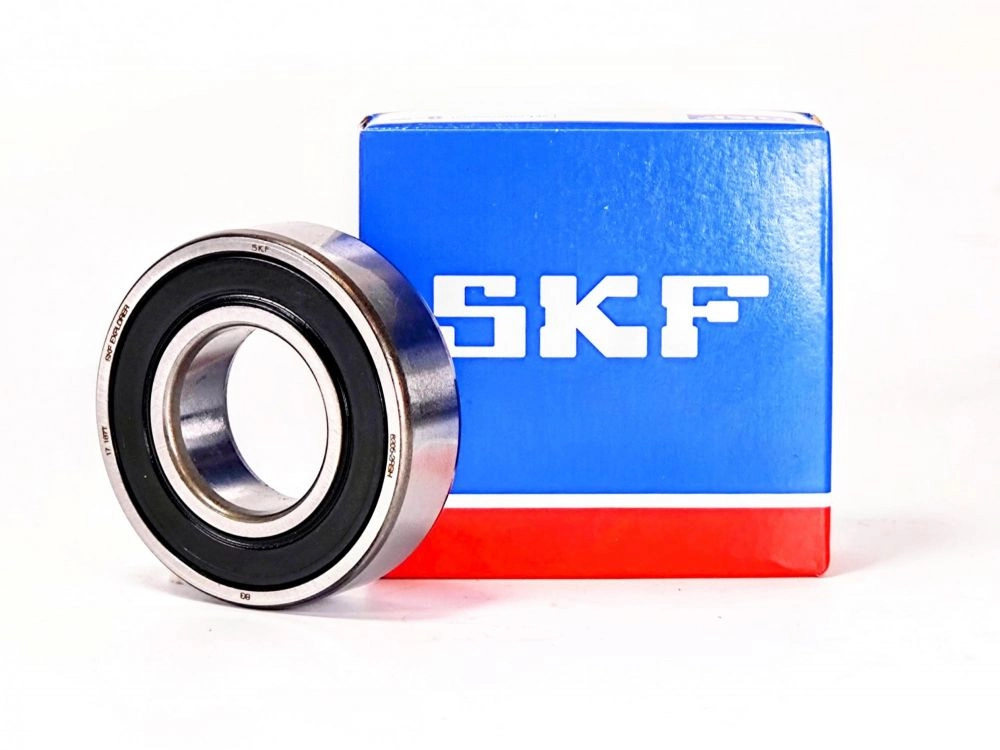
SKF started in 1907 in Gothenburg, Sweden. It led many steps in bearing tech. It became the first bearing firm on the Stockholm Stock Exchange in 1946. The mark keeps a world name for build skill and wide item reach.
Key Features of SKF Bearings
-
Lasting strength from better make ways and top stuff.
-
Low-rub builds that help high turn speeds and power save.
-
Wide change picks for special use calls.
-
World spread net that speeds up buy.
Timken Bearings: History, Range, and Benefits
The Evolution of Timken Bearings
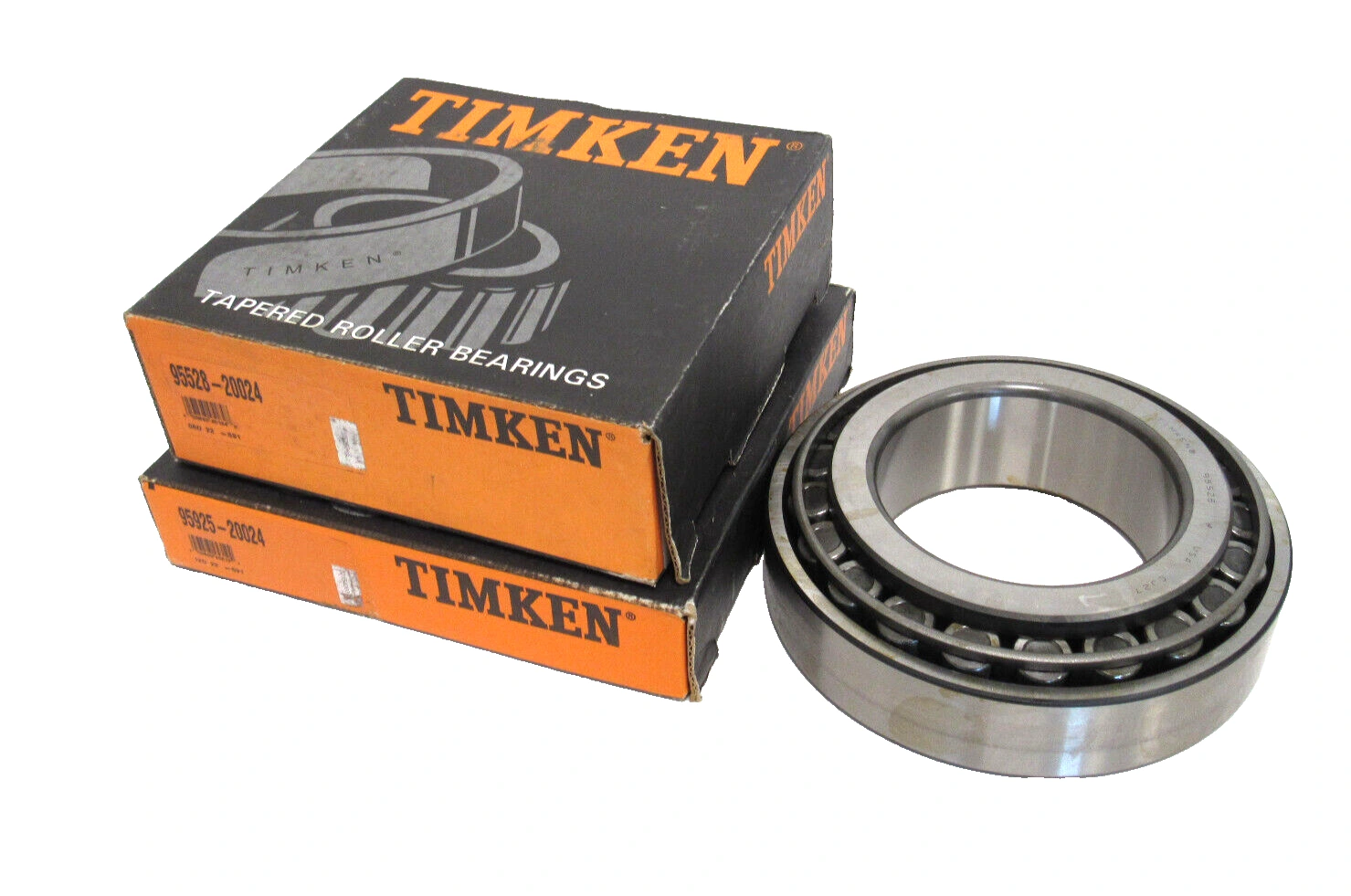
Timken began in 1899. Henry Timken got a patent for the tapered roller bearing then. He added the self-line bearing in 1902. The firm grew to the world’s biggest maker of tapered roller bearings. It puts strong focus on hard-work and exact uses in car, air space, and power fields.
Key Features of Timken Bearings
-
High exact build with small size shift.
-
Strong make fit for hard pushes and rough spots.
-
Builds that ease upkeep and cut work stop time.
-
Full world help setup.
SKF vs. Timken Bearings: A Look into the Manufacturing Process
Overview of Bearing Manufacturing
Bearing make covers shape by heat, heat fix, exact grind, put together, and hard check test. Both SKF and Timken use high-grade steel. They add better steps. This brings steady work and long use time.
How SKF Bearings Are Made
The Manufacturing Process of SKF Bearings
Make starts with top steel shaped into blanks. Then comes set heat fix for best hard level. Exact grind makes tight fits. Parts then go to put together and full test. Sites stress hard quality watch over a world net.
Key Features of SKF Bearings
Hard quality steps, world make reach, and many item lines back car, air space, and common factory needs.
How Timken Bearings Are Made
The Manufacturing Process of Timken Bearings
High-grade steel gets special heat fix. This maxes wear fight. Then comes exact grind and last check. Make in the United States uses strict watch at each step.
Key Features of Timken Bearings
Better lasting from own heat fix, high size truth, and builds that cut upkeep needs.
The Pros and Cons of SKF Bearings
Pros of SKF Bearings
-
Top exact and low-rub work.
-
Wide world reach and back.
-
Fit across many fields and gear kinds.
Cons of SKF Bearings
-
Top price, mainly for better kinds.
-
May need set upkeep in some uses.
-
Build line, though wide, may miss some small fit vs. special makers.
The Pros and Cons of Timken Bearings
Pros of Timken Bearings
-
Great lasting under hard pushes and rough states.
-
High exact with strong make.
-
Less upkeep in many hard-work setups.
Cons of Timken Bearings
-
Set up may need more tech skill in some cases.
-
Item line aims more at main hard-work kinds. This may cut picks in some light-work groups.
-
Higher costs for special setups.
SKF vs. Timken Bearings: A Comprehensive Comparison
Performance: Tailored for Specific Applications
SKF Bearings: Low-Friction and High-Speed Efficiency
SKF builds put first on cut rub rates. They allow higher run speeds with less power loss. These traits fit electric motors, wind wheels, machine tool turns, and other exact or high-turn gear.
Timken Bearings: Precision and Durability
Timken items shine in uses with big side and push loads, hit loading, or line shift. Common spots include big machines, build gear, mine belts, and truck axles. There, trust under stress stays key.
Material and Build Quality: Innovation Meets Tradition
SKF’s Advanced Materials
SKF adds better mixes. In some lines, it uses ceramic or mix stuff. These give better eat-away fight, heat steady, and less weight. Such new steps lengthen use times in hard spots.
Timken’s Traditional Robust Design
Timken counts on tried chrome and stainless steel levels. It adds fit shape and heat fix. The way brings steady tough and tired fight. It skips too much use of odd stuff.
Price: A Value-Based Decision
SKF items often ask higher prices. This ties to stuff new and wide fit. Timken picks give good worth in hard-work parts. Price changes by line and amount. Full cost of own—with stop time, upkeep, and life span—should lead checks. Not just first buy price.
Availability and Accessibility: Global Reach
Both makers keep big spread nets. SKF shows strong in Europe and Asia spots. Timken holds firm North America spot. World buyers gain from multi-area stock and move back from either mark.
Expert Opinions and User Reviews: Industry Validation
Expert Opinions
Build pros often pick SKF for spots where speed and output lead. They note stuff know-how lead. Timken gets good words for push-hold skill and long trust in field spots with shake or dirt.
User Feedback
Users say SKF brings long life and output in high-speed machines. Timken users point to less fail rates and longer gaps between swaps in big factory setups. Both marks win name as top picks.
Industry Recognition: Awards and Achievements
SKF gets awards for new in rub cut and green make. Timken wins note for build gifts to hard field and steps in tapered roller tech. Such honors show steady push for work rules.
How to Choose Between SKF and Timken Bearings
-
Type of Machinery or Equipment SKF backs high-speed and exact gear well. Timken works best in hard-push, high-turn, or hit-prone machines.
-
Operating Environment Better stuff picks from SKF meet hard heat or eat-away states. Timken’s strong builds deal with heavy dirt, hit, and steady high pushes.
-
After-Sales Service and Warranty Both give full tech back and safe terms. Pick should weigh local back reach and fit with current upkeep ways.
Common Bearing Types Offered by Leading Manufacturers
Deep Groove Ball Bearings
These Deep Groove Ball Bearings fit-all one-row builds hold side and fair end pushes. They run quiet at high speeds. They show in electric motors, home tools, and common machines. Kinds cover sealed, shield, and gap picks (such as C3) for heat spread.
Tapered Roller Bearings
Fit for mixed side and push loads, taper builds change for line shift and pre-load. Common lines include 302xx, 322xx, and 323xx. Uses cover car wheel hubs, gear boxes, and big gear axles.
Spherical Roller Bearings
Self-line skill makes up for shaft bend and set errors. These hold hard side pushes and fair end pushes. They fit in mine, cement, and paper mills. There, line shift happens often.
Cylindrical Roller Bearings
High side push hold with low rub fits these for high-speed or high-stiff uses like machine tool turns and roll mills. Builds back split inner or outer rings for easy set.
Angular Contact Ball Bearings
Set for mixed pushes with high end hold in one way. One or pair setups back exact turns, pumps, and gear boxes. They need stiff and speed.
Other Specialized Types
More groups cover needle roller bearings for small side push back, push bearings for pure end forces, pillow block and plummer block units for easy house fit, linear bearings for move systems, and small bearings for tiny tools. Car-only bearings and self-line ball bearings add more picks for aimed needs.
Partner with a Reliable Bearing Manufacturer and Seller
LQYS Bearings positions itself as a professional manufacturer and seller offering a comprehensive range of high-precision bearings. The company employs advanced production equipment and modern testing systems to deliver consistent quality across deep groove ball bearings, tapered roller bearings, spherical roller bearings, cylindrical roller bearings, angular contact ball bearings, needle roller bearings, pillow block bearings, and other types. Products serve diverse sectors including automotive, railway, steel, metallurgy, mining, power generation, textile, oil, and papermaking industries, with exports reaching more than 30 countries.
LQYS Bearings supports OEM customization and maintains rigorous quality controls to meet industrial performance expectations. For bulk inquiries, technical specifications, or custom solutions, contact the manufacturer and seller directly via WhatsApp +8618013237311, Tel +8613002187311, or email salesjake@lqysbearing.com.
FAQ
What is the main difference between SKF and Timken bearings?
SKF emphasizes low-friction and high-speed performance with advanced materials, while Timken focuses on heavy-load capacity and robustness through specialized heat treatment and tapered roller expertise.
Which brand is better for high-speed applications?
SKF generally provides superior low-friction characteristics that support higher rotational speeds and reduced energy consumption.
Are there cost differences between SKF and Timken?
Both premium brands carry higher initial costs than standard alternatives, but SKF often positions at the upper end for specialized variants, while Timken offers strong value in heavy-duty series. Total cost of ownership should include maintenance and lifespan considerations.