

Elektromotorlager: Auswahlhilfe für Hochgeschwindigkeitslager
2026-06-18
Bei Elektromotorlagern in Hochgeschwindigkeitsanlagen ist Überhitzung meist eines der ersten Anzeichen dafür, dass die Lagerauswahl, die Montagebedingungen oder die Schmierung überprüft werden müssen. Ein Lager kann den Zeichnungsmaßen entsprechen und dennoch im realen Betrieb des Motors zu heiß laufen. Drehzahl, Schmierfettverhalten, Lastrichtung, Lagerspielverlust nach der Montage, Dichtungsreibung und Betriebstemperatur beeinflussen die Lagerleistung. In Pumpen, Ventilatoren, Kompressoren, Automatisierungsanlagen, Elektroantriebssystemen und Präzisionsmaschinen kann bereits ein geringer Temperaturanstieg im Lager die Schmierfettlebensdauer verkürzen, Vibrationen verstärken und zu vorzeitigem Lagerausfall führen.
Shanghai Yongheshun Import and Export Co., Ltd. betreibt LQYS Bearings als Lagerlieferant für Industrie- und Automobilanwendungen. Das Produktsortiment umfasst Kugellager, Schrägkugellager, Zylinderrollenlager, Automobillager, Miniaturlager, Nadellager, Stehlager, Kegelrollenlager, Axialkugellager und weitere gängige Industrielagertypen. Für Geschäftskunden, die Hochgeschwindigkeitslager, Standard-Motorlagerteile oder anwendungsspezifische Ersatzlager vergleichen, LQYS – Lieferant hochwertiger Lager bietet eine praktische Produktpalette für Projekte, bei denen es auf Betriebsstabilität, Chargenversorgung und Modellübereinstimmung ankommt.
Warum überhitzen die Lager von Hochgeschwindigkeits-Elektromotoren?
Die Überhitzung von Motorlagern ist meist auf mehrere zusammenhängende Probleme zurückzuführen und nicht auf einen einzelnen Fehler. Häufige Ursachen sind übermäßige Reibung, ungeeignetes Lagerspiel, mangelhafte Schmierung, Wellenfluchtung, falsche Passung, Staub, Feuchtigkeit und Belastungen außerhalb des zulässigen Arbeitsbereichs. Bei schnelllaufenden Elektromotoren treten diese Probleme schneller auf, da Wälzkörper, Käfig, Fett und Laufbahnen kontinuierlich rotieren und wiederholten Temperaturzyklen ausgesetzt sind.
Ein Lager, das in einem Kurztest gut funktioniert, kann nach dem Einbau dennoch heiß laufen. Beispielsweise kann eine zu enge Wellenpassung das Lagerspiel nach der Montage verringern. Dickflüssiges Fett kann bei höheren Drehzahlen den Rotationswiderstand erhöhen. Ein abgedichtetes Lager kann in einer Umgebung funktionieren, aber in einer anderen vorzeitig ausfallen, wenn feiner Staub in das Gehäuse eindringt. An diesen Stellen beginnt oft die Prävention von Lagerüberhitzung.
Für B2B-Käufer sollte die Auswahl nicht bei Bohrungsgröße, Außendurchmesser und Breite enden. Entscheidender ist, ob das Lager die Reibung kontrollieren, eine stabile Schmierung gewährleisten und die tatsächlichen Radial- und Axiallasten des Motors aufnehmen kann. Dies ist besonders wichtig für Käufer, die Hochgeschwindigkeitsmotorlager in großen Mengen austauschen.
Welcher Lagertyp eignet sich am besten für Hochgeschwindigkeits-Elektromotoren?
Wann sollten Rillenkugellager eingesetzt werden?
Rillenkugellager zählen nach wie vor zu den gängigsten Lagertypen für Elektromotoren. Ihre Konstruktion ermöglicht einen ruhigen Lauf, geringe Reibung und einen stabilen Betrieb unter Radialbelastung und kann zudem in beide Richtungen eine begrenzte Axialbelastung aufnehmen. Dadurch eignen sie sich für viele kleine und mittlere Motoren, Ventilatoren, Pumpen, Haushaltsgeräte, leichte Industrieantriebe und allgemeine Motorbaugruppen.
Für Käufer, die nach regulären Motorlagerteilen suchen, Produkte für Rillenkugellager Lager sind üblicherweise die erste Kategorie, die geprüft wird. Die wichtigsten Kriterien sind Nenndrehzahl, Geräuschpegel, Lagerspiel, Dichtungsmethode, Schmierfettart und Präzisionsgrad. Bei größeren Bestellmengen kann selbst bei Lagern mit derselben Artikelnummer je nach Betriebstemperatur des Motors und Einbaubedingungen ein anderes Schmierfett oder Lagerspiel erforderlich sein.
Wann sind Schrägkugellager besser geeignet?
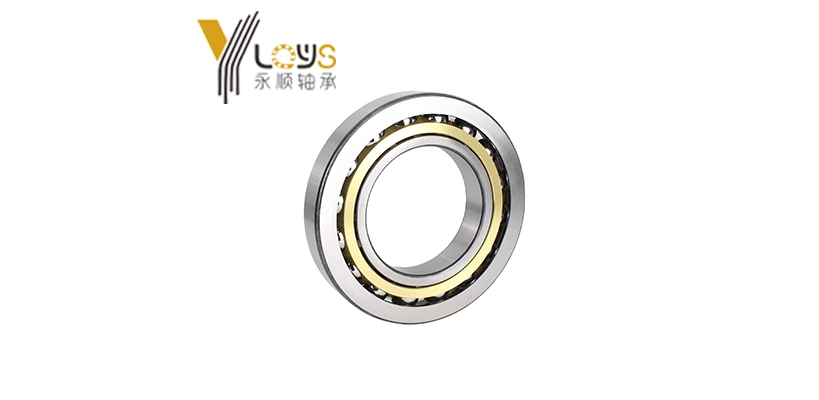
Schrägkugellager eignen sich besonders, wenn ein Motor sowohl Radial- als auch Axiallasten aufnehmen muss. Ihr Kontaktwinkel ermöglicht eine bessere Abstützung kombinierter Lasten, wodurch sie sich für Hochgeschwindigkeitsspindelmotoren, Servomotoren, Roboter, Präzisionsmaschinen und andere Anwendungen eignen, bei denen eine stabile Wellenposition erforderlich ist.
Im Vergleich zu Standard-Rillenkugellagern werden Schrägkugellager häufig dann eingesetzt, wenn höhere Steifigkeit, bessere axiale Abstützung oder präzisere Rotation erforderlich sind. Für Einkäufer im Maschinenbau sollte die Lagerauswahl nicht nur von der Modellverfügbarkeit, sondern auch von der Lastrichtung, der Drehzahl, der Montageart und der Axialkraft abhängen.
Wo werden Zylinderrollenlager eingebaut?
Zylinderrollenlager kommen hauptsächlich dort zum Einsatz, wo eine höhere radiale Tragfähigkeit und größere Steifigkeit erforderlich sind. Sie finden sich häufig in größeren Industriemotoren, Schwerlastantrieben und Maschinen mit anspruchsvollen radialen Belastungen. Sie sind zwar nicht die Standardwahl für jeden Hochgeschwindigkeitsmotor, kommen aber dann zum Einsatz, wenn ein Kugellager nicht genügend radiale Tragfähigkeit bietet.
Welche Parameter sollten Käufer vor der Bestellung überprüfen?
Die richtige Lagerauswahl beginnt mit der Kenntnis der Betriebsbedingungen. Käufer sollten die Motordrehzahl, den Wellendurchmesser, die Gehäusegröße, die Radial- und Axiallast, die Betriebstemperatur, den Montagesitz, das Lagerspiel, das Käfigmaterial, die Art der Abdichtung oder Abschirmung, die Schmiermethode, die Vibrationsanforderungen und die Geräuschgrenzwerte überprüfen. Bei Umrichtermotoren, Frequenzumrichtermotoren und Elektrofahrzeug-Traktionsmotoren ist zudem das Risiko elektrischer Erosion zu berücksichtigen.
In der Praxis entstehen viele Beschaffungsprobleme durch zu kurze Anfragen. Eine Anfrage wie „Lager 6205 für Motor“ liefert lediglich grundlegende Größenangaben. Zwei Motoren mit derselben Lagernummer benötigen möglicherweise unterschiedliche Lagerluft, Schmierfette, Dichtungskonstruktionen und Geräuschklassen. Eine vollständigere Anfrage sollte Drehzahlbereich, Betriebstemperatur, Anwendung, Marke oder Modell, Menge und den Verwendungszweck (OEM-Montage, Wartung oder Weiterverkauf) enthalten.
Diese Informationen helfen, den Einsatz falscher Ersatzlager, vorzeitigen Lagerausfall und wiederholte Stichprobenprüfungen zu vermeiden. Sie bieten Lieferanten außerdem eine bessere Grundlage für die Empfehlung von Hochgeschwindigkeitslagern, anstatt einfach ein kostengünstiges Standardmodell anzubieten.
Wie kann Schmierung die Lagerwärme reduzieren?
Die Schmierung hat einen direkten Einfluss auf die Überhitzung von Motorlagern. Zu wenig Fett kann dazu führen, dass sich kein stabiler Ölfilm zwischen Wälzkörpern und Laufbahnen bildet. Zu viel Fett kann die Temperatur ebenfalls erhöhen, da die hohe Drehzahl einen erhöhten Reibungswiderstand verursacht. Die richtige Menge und Art des Fetts hängen von Drehzahl, Lagergröße, Belastung, Temperatur, Dichtungskonstruktion und Schmierintervall ab.
Bei Hochgeschwindigkeits-Elektromotorlagern müssen Schmierfettviskosität, Temperaturbeständigkeit, Oxidationsstabilität, Dichtungsverträglichkeit und Wartungsintervalle sorgfältig geprüft werden. Abgedichtete Lager können den Wartungsaufwand bei Kompaktmotoren und kleinen Geräten reduzieren, während offene oder geschirmte Lager für Motoren mit planmäßiger Schmierung geeignet sind. Entscheidend ist, dass die Schmierung dem tatsächlichen Zustand des Motors angepasst ist und nicht als unveränderliche Vorgabe für alle Motortypen betrachtet werden sollte.
Wann sollten Käufer Hybrid-Keramiklager oder isolierte Lager in Betracht ziehen?
Hybrid-Keramiklager und isolierte Lager sind nicht für jeden Elektromotor erforderlich, spielen aber in bestimmten anspruchsvollen Anwendungen eine wichtige Rolle. Sie reduzieren die Wälzmasse und die Reibung, was insbesondere bei Hochgeschwindigkeitsmotoren von Vorteil ist, bei denen geringe Wärmeentwicklung, niedrige Geräuschentwicklung und eine längere Lebensdauer gefordert sind. Hybrid-Keramiklager kommen häufig in Präzisionsgeräten, Hochgeschwindigkeitskompressoren, Robotern und modernen Motorsystemen zum Einsatz.
Isolierte Lager funktionieren anders. Ihre Hauptaufgabe besteht darin, Schäden durch elektrischen Strom im Lager zu reduzieren. In Umrichtermotoren, Frequenzumrichtermotoren, Traktionsmotoren für Elektrofahrzeuge und Hochfrequenzantrieben kann Wellenstrom elektrische Erosion an den Laufbahnen verursachen. Sobald diese Schäden auftreten, nehmen Vibrationen und Geräusche oft schnell zu. Für Anwender in den Bereichen Automatisierung, Elektromobilität und Industrieantriebe sollten isolierte Motorlager in Betracht gezogen werden, wenn elektrische Entladungen ein Ausfallrisiko darstellen.
Vor der Erteilung von Nachbestellungen prüfen viele B2B-Käufer auch den Hintergrund des Lieferanten, die Größe des Werks, die Exporterfahrung und das Produktsortiment. Unternehmensprofil Shanghai Yongheshun Dies ermöglicht Käufern einen besseren Einblick in das Unternehmen hinter LQYS Bearings und dessen Fähigkeit zur Wälzlagerlieferung.
Wie sollten B2B-Einkäufer einen Lagerlieferanten auswählen?
Ein geeigneter Lagerlieferant sollte nicht nur die Lagerbezeichnung, sondern auch die Anwendung verstehen. Für Hochgeschwindigkeits-Elektromotorlager umfasst hilfreiche Unterstützung die Modellauswahl, Hinweise zur Lagerluft, Lastanalysen, Empfehlungen zu Schmierfetten und Dichtungen, Referenzen für Ersatzlagermarken, Verpackungsoptionen und eine zuverlässige Serienversorgung. Diese Details sind wichtig für Händler, Motorenreparaturbetriebe, Erstausrüster und Maschinenhersteller.
LQYS Bearings bietet ein breites Sortiment an Lagern für Industrie- und Automobilanwendungen, darunter Kugellager, Schrägkugellager, Zylinderrollenlager, Linearführungen, Miniaturlager, Nadellager, Stehlager, Pendelkugellager, Pendelrollenlager, Kegelrollenlager und Axialkugellager. Diese Vielfalt ermöglicht es Käufern, verschiedene Lagertypen über einen einzigen Vertriebskanal zu vergleichen, insbesondere bei Projekten mit unterschiedlichen Motorgrößen oder Maschinenplattformen.
Für eine detaillierte Auswahl der Elektromotorlager können Käufer Kontaktieren Sie die Lagerexperten von LQYS. mit Angaben zu Geschwindigkeit, Last, Größe, Temperatur, Menge und Anwendung. Klare technische Informationen führen in der Regel zu einer präziseren Modellempfehlung und weniger späteren Ersatzbedarfen.
Schlussfolgerung
Die Auswahl von Hochgeschwindigkeitsmotorlagern hängt selten allein von der Größe ab. Die richtige Wahl ist abhängig vom Motorlauf, der Lagerbelastung, der Wärmeabfuhr und der Stabilität der Schmierung im Dauerbetrieb. Rillenkugellager sind nach wie vor eine gängige Wahl für viele Standardmotoren. Schrägkugellager eignen sich besser für Motoren mit klar definierter Axialkraft oder strengen Anforderungen an die Wellenführung. Zylinderrollenlager kommen bei höheren Radialbelastungen zum Einsatz. Bei Anwendungen mit höheren Drehzahlen, geringeren Geräuschanforderungen, dem Risiko elektrischer Erosion oder anspruchsvolleren Lebensdaueranforderungen sollten auch Hybridkeramiklager und isolierte Lager in Betracht gezogen werden. Im B2B-Bereich führt eine genauere Beschreibung der Betriebsbedingungen in der Regel zu einer besseren Lagerempfehlung und weniger Problemen nach der Installation.
Häufig gestellte Fragen
Q1: Warum wird mein Elektromotorlager nach dem Einbau heiß?
A: Ein Elektromotorlager kann sich nach der Installation erhitzen, weil die Passung zu eng ist, das innere Spiel zu gering ist, die Fettmenge zu hoch ist, die Schmierung nicht für die Drehzahl geeignet ist oder Welle und Gehäuse nicht korrekt ausgerichtet sind.
Q2: Woran erkenne ich, welches Lager für einen Hochgeschwindigkeitsmotor geeignet ist?
A: Ein geeignetes Hochgeschwindigkeitsmotorlager muss auf die Motordrehzahl, die Radial- und Axiallast, die Betriebstemperatur, die Lagerspielanforderungen, die Schmiermethode, die Dichtungsart und die Geräuschvorgaben abgestimmt sein. Der Lagertyp sollte erst ausgewählt werden, wenn diese Betriebsbedingungen klar definiert sind.
Q3: Sind Rillenkugellager für Elektromotoren geeignet?
A: Rillenkugellager eignen sich für viele Elektromotoren, da sie eine reibungslose Rotation, geringe Reibung und vorwiegend radiale Belastungen ermöglichen. Sie werden häufig in Ventilatoren, Pumpen, Kleinmotoren, leichten Industrieantrieben und allgemeinen Motorbaugruppen eingesetzt.
Q4: Wann sollte ein Elektromotor Schrägkugellager verwenden?
A: Ein Elektromotor benötigt Schrägkugellager, wenn eine axiale Belastung auftritt, die Wellenposition präziser gesteuert werden muss oder die Anwendung bei hohen Drehzahlen eine höhere Steifigkeit erfordert. Servomotoren, Spindelmotoren und Präzisionsgeräte verwenden häufig diesen Lagertyp.
Q5: Benötigen Frequenzumrichtermotoren isolierte Lager?
A: Bei einigen Frequenzumrichtermotoren können isolierte Lager erforderlich sein, wenn Wellenstrom fließt oder elektrische Erosion auftritt. Weisen die Lagerlaufbahnen Riefenbildung, zunehmende Geräuschentwicklung oder wiederholte vorzeitige Ausfälle auf, sollten beim Austausch oder der Neukonstruktion des Motors isolierte Motorlager in Betracht gezogen werden.