

Sustitución de rodamientos de rodillos cónicos Timken: Comprobaciones de ajuste de cono-copa, precarga y juego axial.
2026-07-24
El reemplazo de un rodamiento de rodillos cónicos Timken no es tan sencillo como cambiarlos por tamaño. En cajas de engranajes, reductores, ejes de camiones, cintas transportadoras, trituradoras y otras máquinas industriales, los factores de riesgo en el reemplazo se deben a una combinación incorrecta de cono y copa, una precarga inadecuada, un juego axial excesivo y una identificación incompleta de la pieza. Antes de solicitar un rodamiento de repuesto, los profesionales de mantenimiento y los compradores deben asegurarse del número de copa, el número de cono, el número de juego, los parámetros de aplicación y el procedimiento de instalación.
Respuesta rápida: ¿Qué se debe verificar antes de reemplazar un rodamiento de rodillos cónicos Timken?
Antes de la sustitución, es necesario verificar las marcas del rodamiento antiguo, el estado de la cazoleta y el cono, el tipo de montaje (precarga o juego axial) y el método de instalación según el manual del equipo. El rodamiento de rodillos cónicos está diseñado para soportar cargas combinadas, por lo que incluso una pequeña desviación en sus dimensiones afecta a su rendimiento.
Para el suministro de rodamientos industriales y el apoyo a la exportación, Shanghai Yongheshun Import and Export Co., Ltd. Ofrece soluciones de abastecimiento de rodamientos para compradores que requieren verificación de modelos, consulta de precios y servicios de compra.
Por qué es importante que la taza y el cono coincidan durante el reemplazo
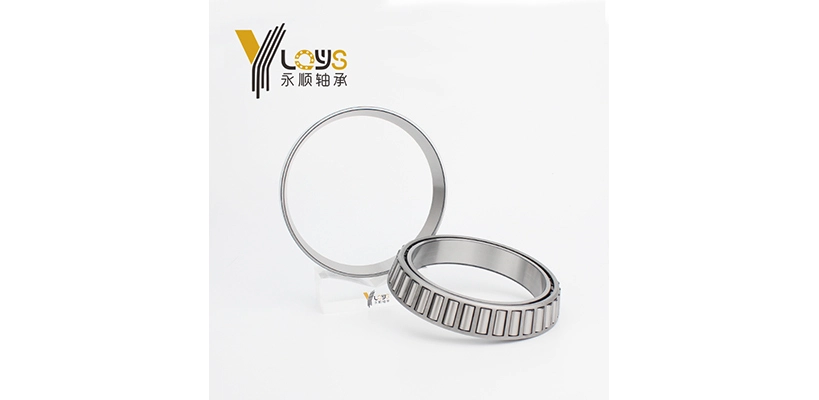
En un rodamiento de rodillos cónicos, la cazoleta y el cono funcionan conjuntamente como un sistema de contacto. El cono incluye el anillo interior, los rodillos y la jaula, mientras que la cazoleta es el anillo exterior. La geometría de la pista de rodadura, el ángulo de contacto, la tolerancia de anchura, el estado de la superficie y la trayectoria de la carga influyen en el rendimiento del rodamiento tras su instalación.
¿Deben sustituirse la taza y el cono juntos?
Si la pista de rodadura de la copa está desgastada, picada, rayada, sobrecalentada o contaminada, reemplazar solo el cono podría no solucionar la falla. Un cono nuevo que roza con una copa dañada puede generar un contacto deficiente, ruido, calor y desgaste prematuro. Para los equipos de mantenimiento, lo más seguro es inspeccionar ambos componentes y reemplazarlos como un conjunto cuando el daño sea visible, el historial de servicio no esté claro o los componentes antiguos se hayan retirado de un conjunto averiado.
¿Se puede mezclar un cono Timken con un vaso de otra marca?
Mezclar un cono Timken con una copa de otra marca solo porque las dimensiones parezcan similares es arriesgado. El diámetro interior, el diámetro exterior y el ancho son importantes, pero no confirman la geometría interna, la capacidad de carga, el comportamiento de la holgura, el diseño de la jaula ni la idoneidad para la aplicación. Si no se dispone de un componente exacto, se debe revisar el reemplazo considerando el número de pieza, las dimensiones, la dirección de la carga, la velocidad, la lubricación, la temperatura y el entorno operativo antes de comprarlo.
Cómo identificar el número correcto de copa, cono o juego de Timken
Para reemplazar correctamente un rodamiento Timken, primero hay que tener en cuenta las marcas del rodamiento antiguo. Los compradores deben verificar el número de cono, el número de copa y cualquier número de serie que aparezca en el rodamiento, el embalaje, el registro de mantenimiento o el manual del equipo.
Dónde encontrar las marcas de rumbo
Las marcas suelen estar estampadas o grabadas en la cara del cono, la cara de la copa o la etiqueta del embalaje. Si las marcas están desgastadas o incompletas, las fotos nítidas desde varios ángulos pueden ayudar al proveedor a reducir las opciones. Medir el diámetro interior, el diámetro exterior y el ancho puede facilitar la identificación, pero las dimensiones por sí solas no deben considerarse una confirmación definitiva.
¿Qué información se debe verificar antes de solicitar un presupuesto?
Para obtener una cotización más rápida y precisa, prepare el número de cono, el número de copa, el número de juego, las dimensiones, la cantidad, la aplicación, la condición de falla y el requisito de entrega. Para aplicaciones industriales, incluya también si el rodamiento se utiliza en una caja de engranajes, reductor, eje de camión, transportador, trituradora o maquinaria pesada. Los compradores que revisan las opciones de productos pueden comparar productos relacionados. rodamiento de rodillos cónicos soluciones antes de enviar los detalles finales de la solicitud de cotización.
Lista de verificación para la decisión de reemplazo
|
Situación |
Decisión de reemplazo |
Por qué es importante |
|
Las marcas de la copa y del cono son claras. |
Cotización por número completo de taza/cono o juego |
Reduce el riesgo de desajuste del modelo |
|
La copa está desgastada, picada, rayada o sobrecalentada. |
Reemplazar la taza y el cono juntos |
Evita que un cono nuevo se desplace sobre una pista dañada. |
|
Solo se dispone de dimensiones. |
Solicite confirmación del proveedor antes de realizar el pedido. |
El mismo tamaño no necesariamente implica el mismo rendimiento. |
|
La pieza original de Timken no está disponible. |
Revise un equivalente solo después de realizar comprobaciones técnicas. |
La carga, la velocidad, el espacio libre y la aplicación pueden variar. |
|
El rodamiento falló poco después de la instalación. |
Compruebe la configuración, el ajuste, la lubricación y la contaminación. |
El simple reemplazo puede no solucionar la causa raíz. |
Precarga vs. Juego final: lo que los compradores y los equipos de mantenimiento deben confirmar
La precarga y la holgura axial describen el ajuste del rodamiento tras la instalación. La precarga se refiere a la interferencia axial controlada. La holgura axial se refiere a la holgura axial medible. La condición óptima depende del diseño de la máquina, la dilatación térmica, la dirección de la carga, la disposición del eje y el procedimiento del fabricante.
¿Qué es el ajuste del rodamiento en un rodamiento de rodillos cónicos?
El ajuste del rodamiento es la condición final de montaje del conjunto. En los rodamientos de rodillos cónicos, este ajuste afecta directamente a la temperatura de funcionamiento, la rigidez, la distribución de la carga y la vida útil. Un rodamiento demasiado apretado puede sobrecalentarse. Un rodamiento demasiado flojo puede presentar vibraciones, marcas de impacto o un movimiento inestable del eje.
Por qué no existe un valor universal de precarga o juego axial.
No existe un único valor de precarga o juego axial para todos los rodamientos de rodillos cónicos Timken. Los extremos de las ruedas, las cajas de engranajes, las máquinas herramienta, las cintas transportadoras y los ejes industriales pueden requerir diferentes métodos de ajuste. El valor correcto debe verificarse en el manual del equipo, la disposición del rodamiento y las condiciones de trabajo.
Cómo comprobar el juego axial después del reemplazo
La comprobación del juego axial ayuda a confirmar si el conjunto presenta un movimiento axial excesivo tras la instalación. Esto es especialmente importante cuando se ajusta manualmente un rodamiento de rodillos cónicos o se instala en pares.
Comprobación del juego axial del indicador de cuadrante
Un método común consiste en utilizar un comparador de cuadrante alineado con el eje del husillo. El conjunto se desplaza axialmente y el comparador muestra el movimiento total. Antes de leer el resultado, el rodamiento debe asentarse girando u oscilando el conjunto según el procedimiento del equipo. Si la lectura está fuera del rango especificado, el rodamiento debe reajustarse antes de su funcionamiento.
Errores comunes en los reemplazos que provocan fallas prematuras
|
Error |
Resultado posible |
Prevención |
|
Reutilizar un vaso dañado con un cono nuevo. |
Ruido, contacto irregular, vida útil corta |
Inspeccione y reemplace como un conjunto emparejado cuando sea necesario. |
|
Mezclar componentes de taza y cono que no combinan |
Espacio libre o distribución de carga inestables |
Confirme la compatibilidad antes de comprar. |
|
Precarga excesiva |
Calor, par motor elevado, tensión del lubricante |
Siga el método de configuración correcto. |
|
Juego final excesivo |
Vibración, desalineación, daños por impacto |
Verifique el movimiento axial después del montaje. |
|
Eje o asiento de la carcasa sucios |
Ajuste deficiente, carrera, estrés local |
Limpiar e inspeccionar las superficies de montaje. |
|
Lubricante incorrecto o contaminación |
Desgaste, calor, daños prematuros |
Adapte la lubricación a la carga, la velocidad y el entorno. |
Cuándo considerar un rodamiento equivalente o alternativo
Se puede considerar un rodamiento alternativo cuando no se dispone del número de referencia Timken original, el plazo de entrega es demasiado largo o el comprador necesita un repuesto práctico para el mantenimiento. Sin embargo, el reemplazo no debe basarse únicamente en el tamaño.
¿Por qué es arriesgado reemplazar solo las dimensiones?
Un rodamiento con el mismo diámetro interior, diámetro exterior y anchura puede presentar diferencias en la capacidad de carga, el tipo de jaula, la holgura interna, el tratamiento térmico, el acabado superficial y la idoneidad para la aplicación. Para compradores B2B, lo más recomendable es proporcionar el número de pieza original, fotos, dimensiones y condiciones de funcionamiento para que se pueda comprobar el repuesto antes de realizar el pedido.
Lista de verificación de solicitud de cotización industrial para el reemplazo de rodamientos de rodillos cónicos Timken
Una solicitud de cotización útil debe incluir el número de cono Timken, el número de copa Timken, el número de juego, las dimensiones del rodamiento, la cantidad requerida, la aplicación, la carga y velocidad de funcionamiento (si se conocen), los requisitos de marca, la aceptación de equivalentes, fotografías, los síntomas de falla, el país de destino y el cronograma de entrega previsto.
Qué enviar a un proveedor de rodamientos
Si es posible, envíe fotos claras de las marcas del rodamiento, el cono y la copa desgastados, la etiqueta del paquete y la posición de instalación. Si el reemplazo es urgente, indique si se requiere una pieza Timken exacta o si se puede considerar un equivalente revisado técnicamente. Esto ayuda a reducir errores de modelo, comunicaciones repetidas y retrasos en la compra.
Cómo elegir un proveedor para el reemplazo de rodamientos de rodillos cónicos Timken
Un proveedor adecuado debería poder revisar los números de copa y cono, confirmar la información del conjunto, comprender las aplicaciones industriales y comunicarse con claridad sobre el stock, el plazo de entrega y las condiciones de reemplazo. El proveedor debería solicitar detalles de la aplicación en lugar de cotizar únicamente por dimensiones.
Shanghai Yongheshun Import and Export Co., Ltd. presta servicios a compradores industriales que necesitan verificación de modelos de rodamientos, comunicación de abastecimiento y coordinación de exportaciones. Los compradores que necesiten comprender los antecedentes de la empresa pueden revisar Proveedor de rodamientos LQYS Información antes de realizar una solicitud de cotización. Para la verificación del modelo, cotización o discusión sobre reemplazo, envíe marcas, fotos, cantidad y detalles de la aplicación a través de contacto LQYS Rodamientos.
Conclusión
El reemplazo de un rodamiento de rodillos cónicos Timken debe considerarse un proceso de confirmación técnica, no una simple coincidencia de tamaño. Las verificaciones más importantes son la coincidencia entre la copa y el cono, la identificación completa de la pieza, los requisitos de precarga o juego axial, las condiciones de instalación y la revisión del proveedor antes de la compra. Si el número de serie del rodamiento antiguo está incompleto o la aplicación es exigente, los compradores deben proporcionar las marcas, las dimensiones, fotografías, la cantidad, el tipo de equipo y los síntomas de falla para reducir el riesgo de reemplazo.
Preguntas frecuentes sobre el reemplazo de rodamientos de rodillos cónicos Timken
¿Deben sustituirse conjuntamente la cazoleta y el cono de un rodamiento de rodillos cónicos?
Sí, si alguno de los componentes presenta desgaste, picaduras, rayaduras, sobrecalentamiento o un historial de servicio desconocido, se debe revisar la copa y el cono como repuestos compatibles. Reutilizar una copa dañada con un cono nuevo puede provocar ruido o una falla prematura.
¿Puedo usar un cono nuevo con un vaso viejo?
Esto solo será posible si la copa antigua está en condiciones aceptables y se confirma que el reemplazo es adecuado para la aplicación. Si la copa está dañada o no coincide, reemplazar solo el cono aumenta el riesgo de un contacto deficiente y un rendimiento inestable del rodamiento.
¿Cómo puedo comprobar la holgura axial de un rodamiento de rodillos cónicos?
La holgura axial se suele comprobar con un comparador de cuadrante alineado con el eje del husillo. El conjunto se desplaza axialmente y el movimiento total del indicador se compara con las especificaciones del equipo.
¿Qué ocurre si la precarga del rodamiento de rodillos cónicos es demasiado ajustada?
Una precarga excesiva puede aumentar la temperatura de funcionamiento, el par, la tensión del lubricante y el desgaste de los cojinetes. Si se observa calor después del reemplazo, se deben verificar el ajuste, la lubricación, el montaje y las condiciones de instalación antes de continuar con la operación.
¿Las dimensiones por sí solas permiten confirmar la necesidad de reemplazar un rodamiento Timken?
No. Las dimensiones son útiles para la identificación, pero no confirman la geometría interna, la capacidad de carga, el comportamiento de la holgura, el tipo de jaula ni la idoneidad para la aplicación. También se deben revisar los números de pieza, las fotos y las condiciones de funcionamiento.
¿Qué información se necesita para obtener un presupuesto de rodamientos Timken?
Una solicitud de presupuesto útil debe incluir el número de cono, el número de copa, el número de juego, las dimensiones, la cantidad, la aplicación, fotos, el plazo de entrega y si se acepta un reemplazo equivalente.