

Guida alla selezione di cuscinetti a bassa rumorosità per motori elettrici e motori per ventilatori
2026-08-07
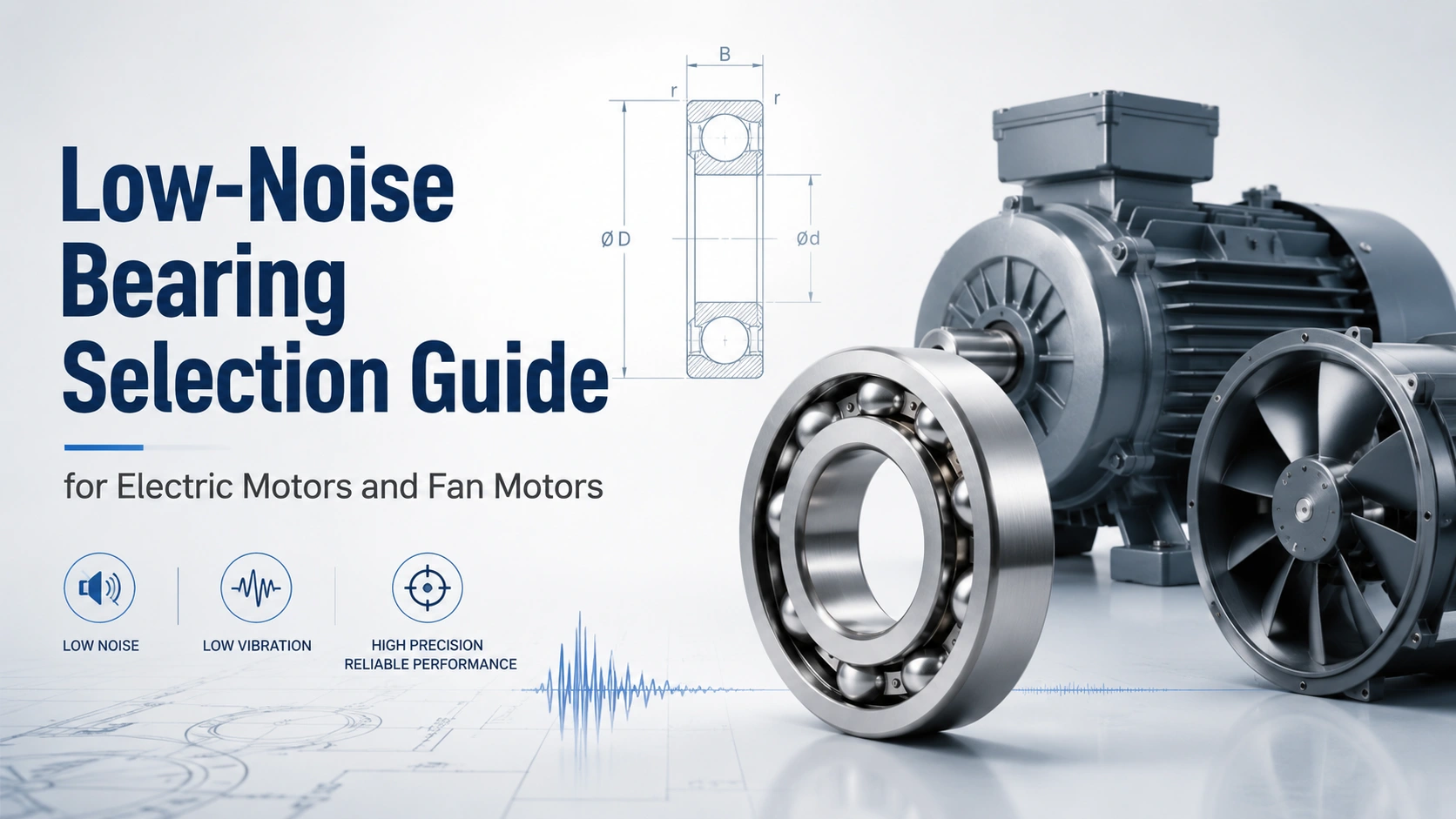
La scelta di cuscinetti a bassa rumorosità per motori elettrici richiede più che la semplice corrispondenza di foro, diametro esterno e larghezza. Un cuscinetto può adattarsi all'albero e all'alloggiamento, ma generare comunque vibrazioni, calore o rumori indesiderati a causa di giochi interni, lubrificazione, chiusure, accoppiamenti o condizioni operative non idonee. Ingegneri e acquirenti dovrebbero innanzitutto identificare la reale fonte di rumore, quindi definire i requisiti di velocità, carico, temperatura, installazione e collaudo prima di confermare la designazione del cuscinetto. Questo processo è particolarmente importante per i motori delle ventole, dove il rumore dei cuscinetti può essere difficile da distinguere dal rumore elettromagnetico, aerodinamico e strutturale.
Che cosa significa "basso livello di rumorosità" per un cuscinetto di un motore elettrico?
Separare il rumore dei cuscinetti dal rumore del motore e del sistema di ventilazione.
Non tutti i suoni rilevati in prossimità di un motore provengono dai cuscinetti. Danni alle piste di rotolamento, contaminazione, lubrificazione inadeguata, gioco eccessivo o insufficiente, movimento della gabbia e superfici di accoppiamento non corrette possono tutti produrre rumori anomali nei cuscinetti. Tuttavia, un ronzio che scompare immediatamente quando si scollega l'alimentazione potrebbe essere di origine elettromagnetica, mentre un rumore che varia con la velocità della ventola può derivare dal flusso d'aria, dallo squilibrio delle pale o dalla risonanza strutturale, piuttosto che dagli elementi volventi. Le linee guida di manutenzione tecnica distinguono inoltre i rumori elettromagnetici del motore dai rumori relativi ai cuscinetti causati da piste di rotolamento irregolari, contaminazione, componenti usurati, lubrificazione insufficiente e gioco errato.
Prima di ordinare un ricambio, annota quando si verifica il rumore:
-
Durante l'avvio, il funzionamento a regime o lo spegnimento
-
A tutte le velocità o entro un intervallo di velocità ristretto
-
Prima o dopo che il motore raggiunge la temperatura di esercizio
-
Con la ventola o l'apparecchiatura azionata collegata e scollegata
-
All'estremità di azionamento, all'estremità non di azionamento, all'alloggiamento o alla struttura di supporto
Un cuscinetto a bassa rumorosità può essere utile quando le vibrazioni hanno origine nella posizione del cuscinetto. Non correggerà però lo squilibrio del rotore, la turbolenza delle pale della ventola, i pannelli di montaggio allentati, le eccitazioni elettriche o un alloggiamento risonante.
Trasformare la "tranquillità" in un requisito di acquisto verificabile
"Silenzioso", "silenziosissimo" e "a bassa rumorosità" sono descrizioni utili per l'applicazione, ma non costituiscono specifiche di acquisto complete. Un requisito utilizzabile dovrebbe specificare le dimensioni del cuscinetto, la velocità di funzionamento, il carico, la temperatura, il gioco, la chiusura, il tipo di grasso e il criterio di vibrazione o rumorosità atteso dal fornitore.
Le misurazioni delle vibrazioni dipendono dal punto di misurazione e dalle condizioni operative del cuscinetto, pertanto i valori rilevati su macchine diverse o sotto carichi diversi potrebbero non essere direttamente confrontabili. Un metodo di accettazione pratico dovrebbe definire il punto in cui viene effettuata la lettura, la velocità di prova, le condizioni di installazione e se il requisito si applica al singolo cuscinetto o al motore completo.
Termini come "qualità del motore elettrico" o "EMQ" possono aiutare a comunicare l'applicazione, ma i suffissi e le marcature sulla confezione variano tra i fornitori. Un produttore potrebbe combinare i requisiti di qualità del motore con specifiche particolari relative a gioco, gabbia, grasso e rumorosità, mentre un altro potrebbe utilizzare una denominazione diversa. Gli acquirenti dovrebbero quindi richiedere le specifiche esatte del prodotto anziché presumere che tutti i cuscinetti per motori EMQ siano intercambiabili.
Quale tipo di cuscinetto è il migliore per un motore silenzioso?
Quando i cuscinetti a sfere a gola profonda sono la scelta più pratica
I cuscinetti a sfere a gola profonda a una corona sono comunemente utilizzati nei motori elettrici e nei motori per ventilatori grazie alla loro semplicità costruttiva, al basso attrito e alla capacità di supportare principalmente carichi radiali, unitamente a un carico assiale limitato in entrambe le direzioni. La gamma di prodotti LQYS comprende configurazioni aperte, ZZ e 2RS in diverse serie dimensionali, consentendo di adattare la chiusura e la manutenzione all'applicazione specifica.
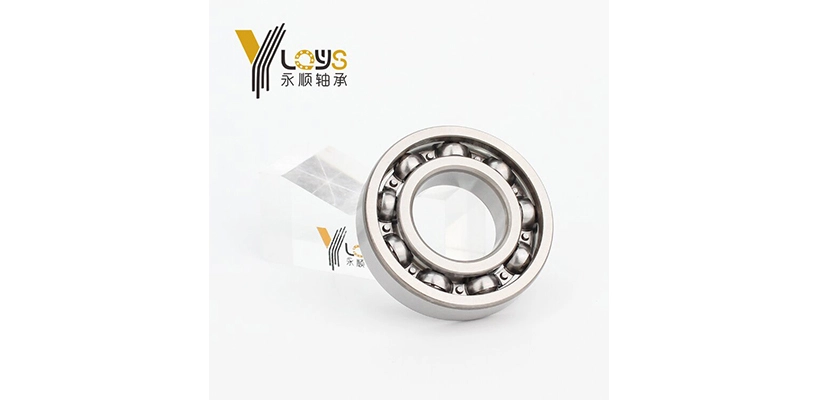
Per un motore generico con carico sull'albero moderato e senza requisiti di forza assiale insoliti, cuscinetti a sfere a scanalatura profonda Sono un punto di partenza pratico. Possono essere adatti anche a motori di ventilatori a trasmissione diretta, soffianti compatte, pompe e altre apparecchiature rotanti in cui è importante un funzionamento stabile.
Lo stesso numero di serie del cuscinetto non significa automaticamente le stesse prestazioni una volta installato. Gli acquirenti dovrebbero comunque verificare:
-
Velocità di funzionamento nominale e massima
-
Carichi radiali e assiali
-
Spazio interno richiesto
-
Albero e alloggiamento si adattano
-
Costruzione aperta, schermata o sigillata
-
Specifiche del grasso e riempimento
-
Intervallo di temperatura
-
Criteri di accettazione del rumore o delle vibrazioni
I cuscinetti a sfere a gola profonda hanno una capacità limitata di compensare i disallineamenti. Un allineamento non corretto tra l'albero, le protezioni terminali e l'alloggiamento può quindi generare rumore anche quando il cuscinetto stesso soddisfa le specifiche previste.
Quando è necessaria una diversa configurazione dei cuscinetti
Il requisito di bassa rumorosità non deve prevalere sulle esigenze meccaniche del motore. Una configurazione diversa potrebbe essere necessaria qualora l'albero sopporti un carico assiale considerevole, richieda un precarico controllato, debba compensare le dilatazioni termiche assiali o operi sotto carichi radiali superiori alla capacità pratica del cuscinetto a sfere selezionato.
Ad esempio, un'applicazione con un carico assiale significativo in una direzione o con un requisito rigoroso di posizionamento dell'albero potrebbe richiedere una configurazione a contatto angolare. Un motore industriale di grandi dimensioni con un carico radiale più elevato potrebbe richiedere una configurazione con cuscinetti a rulli. Anche i motori per ventilatori azionati a cinghia necessitano di un'attenta valutazione, poiché la tensione della cinghia può creare una condizione di carico radiale diversa rispetto a un motore ad accoppiamento diretto.
Prima di cambiare il tipo di cuscinetto, fornire al fornitore la configurazione dell'albero, le direzioni del carico, la velocità, la temperatura, le posizioni di posizionamento e non di posizionamento e qualsiasi requisito di spostamento assiale. La scelta di un cuscinetto strutturalmente inadatto solo perché commercializzato come silenzioso può comportare una durata ridotta, surriscaldamento o un funzionamento instabile.
Come scegliere cuscinetti silenziosi per motori, passo dopo passo
Definire il livello di rumore target e le condizioni operative prima di scegliere il codice del componente.
Iniziate con le specifiche dell'applicazione anziché con il suffisso preferito del cuscinetto. Annotate il foro, il diametro esterno, la larghezza, il tipo di motore, la velocità di funzionamento effettiva, la velocità massima, il carico radiale, il carico assiale, il ciclo di lavoro, la direzione di montaggio, la temperatura ambiente e la temperatura prevista del cuscinetto.
Per i motori delle ventole, verificare anche:
-
Trasmissione diretta, a cinghia o a ingranaggi
-
Massa della ventola o della girante
-
Albero orizzontale o verticale
-
Frequenza di avvii e arresti
-
Funzionamento a velocità variabile
-
Possibilità di squilibrio del rotore o delle pale
-
Se la ventola completa ha un limite di rumore separato
I motori a funzionamento continuo e i motori delle ventole ad avviamento frequente possono imporre esigenze diverse in termini di grasso lubrificante, coppia di avviamento, stabilità termica e gioco. Un cuscinetto che funziona in modo accettabile a velocità costante può comportarsi diversamente durante accelerazioni ripetute o in un ampio intervallo di velocità variabile.
Qualora la documentazione esistente sia incompleta, inviare fotografie delle marcature dei cuscinetti, della targhetta del motore, della disposizione degli alberi e delle parti danneggiate. Potrebbe essere necessario un disegno o un campione fisico prima di poter confermare la sostituzione.
Corrispondenza tra gioco interno e adattamento alle condizioni di installazione
Il gioco radiale interno indicato su un cuscinetto non montato non corrisponde necessariamente al gioco disponibile durante il funzionamento. Un accoppiamento forzato sull'albero può espandere l'anello interno, mentre un accoppiamento forzato nell'alloggiamento può contrarre l'anello esterno. Le differenze di temperatura tra albero, anello interno, anello esterno e alloggiamento possono modificare nuovamente il gioco dopo l'avvio.
Un gioco eccessivo può contribuire all'aumento della temperatura, all'attrito o a un funzionamento instabile. Un gioco eccessivo, al contrario, può consentire un maggiore movimento degli elementi volventi e causare vibrazioni. I dati sulla manutenzione dei cuscinetti identificano sia un gioco eccessivamente piccolo che un gioco eccessivamente grande tra le possibili cause di rumori anomali, mentre un gioco molto piccolo, un carico elevato, un'installazione non corretta e un lubrificante inadeguato possono anch'essi aumentare la temperatura del cuscinetto.
Per questo motivo, né il gioco normale né il C3 dovrebbero essere considerati come l'opzione silenziosa universale. La scelta corretta dipende dalle dimensioni, dalle tolleranze dell'albero e dell'alloggiamento, dalla velocità, dalla differenza di temperatura, dal carico e dalla disposizione dei cuscinetti del motore.
Una richiesta di offerta (RFQ) dovrebbe identificare il suffisso di gioco corrente e, quando possibile, fornire le tolleranze dell'albero-sede e dell'alloggiamento-foro. Se un cuscinetto di ricambio diventa rumoroso o si surriscalda subito dopo l'installazione, verificare gli accoppiamenti e la posizione assiale prima di presumere che il problema sia dovuto alla rumorosità del cuscinetto.
Selezionare grasso, quantità di riempimento e chiusura come un unico sistema.
Il grasso può influenzare la coppia di avviamento, la temperatura, la durata e il comportamento acustico. In genere, ci si aspetta che il grasso per cuscinetti motore garantisca bassa rumorosità e bassa coppia, pur rimanendo adatto alla velocità e alla temperatura previste. Le ricerche pubblicate sui cuscinetti motore dimostrano che la formulazione del grasso può produrre risultati acustici diversi anche se utilizzato in cuscinetti sigillati altrimenti comparabili.
Nella scelta del grasso è necessario considerare la viscosità dell'olio base, l'addensante, la temperatura di esercizio, la velocità, il carico e la compatibilità con eventuali lubrificanti già presenti. Un riempimento eccessivo può aumentare l'agitazione e la temperatura, mentre un grasso insufficiente o inadatto può lasciare le superfici di rotolamento non adeguatamente lubrificate. Le linee guida generali per la manutenzione elencano tra le possibili cause di problemi di temperatura o rumorosità l'uso di lubrificante insufficiente o eccessivo, un tipo di lubrificante errato e un'elevata consistenza del grasso.
La chiusura deve essere selezionata contemporaneamente:
-
Cuscinetti aperti Adatto a sistemi di lubrificazione controllata e ambienti puliti.
-
Cuscinetti schermati in metallo può fornire protezione dalla contaminazione con una resistenza aerodinamica relativamente bassa.
-
Cuscinetti a tenuta di contatto Può fornire una protezione maggiore laddove la polvere o la contaminazione rappresentino un problema, ma occorre tenere conto dell'attrito della guarnizione e della temperatura.
-
Dispositivi di sigillatura senza contatto Potrebbe essere appropriato laddove siano importanti velocità più elevate e una minore resistenza all'avanzamento, in base alle specifiche del prodotto.
Quando si sostituisce un cuscinetto, è necessario verificarne la denominazione completa. I modelli 6203, 6203-ZZ e 6203-2RS non devono essere considerati identici solo perché le loro dimensioni principali coincidono.
Come cambia la selezione tra motori General Motors e motori per ventilatori
Il processo di selezione di base è simile, ma la fonte del rumore e le priorità operative possono differire.
| fattore di selezione | Motore elettrico generale | Motore della ventola |
|---|---|---|
| Principale problema ingegneristico | carico, temperatura, ciclo di lavoro, affidabilità | rumore, vibrazioni, velocità, comportamento all'avvio |
| Fonti di rumore da separare | Cuscinetto elettromagnetico, accoppiamento, base | Cuscinetto, elettromagnetico, pala della ventola, flusso d'aria |
| Revisione del caricamento | Giunto, trazione a cinghia, attrezzatura di processo | Peso della girante, squilibrio, cinghia o trasmissione diretta |
| Decisione di chiusura | Metodo di contaminazione e manutenzione | Protezione dalla polvere, attrito, coppia di avviamento |
| Focus sulla verifica | Spazio di lavoro e temperatura di esercizio | Prestazioni a basse vibrazioni e test completi della ventola |
| Rischio di acquisto | Montaggio, spazio o grasso errati | Confondere il rumore aerodinamico con il rumore dei cuscinetti. |
Per i motori di ventilatori piccoli e compatti, le dimensioni, la coppia di avviamento e il tipo di chiusura possono essere particolarmente importanti. Tuttavia, questa guida alla selezione riguarda i cuscinetti volventi all'interno del motore; non confronta tecnologie di ventilatori complete come i ventilatori a manicotto, a fluidodinamica o a cuscinetti magnetici.
Perché un cuscinetto nuovo a bassa rumorosità può comunque essere rumoroso?
Montaggio, gioco o carico assiale errati
Il rumore o la temperatura che si manifestano immediatamente dopo l'installazione spesso indicano un problema di assemblaggio piuttosto che una fatica a lungo termine delle piste di rotolamento. Un accoppiamento dell'albero troppo stretto può ridurre il gioco interno. Un alloggiamento deformato può influire sull'anello esterno. Coperchi terminali, rondelle elastiche, distanziali o spalle posizionate in modo errato possono applicare una forza assiale indesiderata.
Verificare se:
-
Il cuscinetto era completamente inserito contro la spalla corretta
-
La forza è stata applicata attraverso l'anello in fase di montaggio
-
Le tolleranze dell'albero e dell'alloggiamento corrispondono al gioco selezionato.
-
I coperchi terminali o i componenti di fissaggio creano un carico assiale eccessivo.
-
Il rotore gira liberamente prima che il motore venga alimentato
-
La temperatura si stabilizza durante la fase iniziale.
Non continuare a far funzionare un motore se la temperatura continua ad aumentare o la rotazione diventa difficoltosa. Interrompere il test e verificare l'accoppiamento, il precarico, il lubrificante e le condizioni di installazione. Le linee guida per la manutenzione indicano tra le cause più comuni di temperature elevate dei cuscinetti un'installazione non corretta, un gioco molto ridotto, un carico eccessivo, l'attrito delle guarnizioni e lo scorrimento viscoso.
Contaminazione, disallineamento o danni durante l'installazione.
Un cuscinetto nuovo può diventare rumoroso rapidamente se durante l'assemblaggio sono penetrati contaminanti o se la forza di montaggio è stata trasmessa attraverso gli elementi volventi. Particelle fini possono segnare le piste di rotolamento, mentre un cuscinetto inclinato, un albero piegato, una spalla danneggiata o uno schermo terminale disallineato possono creare un carico non uniforme.
Ispezionare il cuscinetto rimosso e le parti adiacenti per verificare:
-
Ammaccature o segni ripetuti sulle piste di rotolamento
-
Graffi o contaminazione
-
Modelli di contatto irregolari
-
Preoccuparsi dell'accoppiamento dell'albero o dell'alloggiamento
-
Guarnizioni o protezioni danneggiate
-
Decolorazione dovuta alla temperatura
-
Evidenza di forza che attraversa le palle
Se il problema si ripresenta ripetutamente nella stessa posizione, è consigliabile controllare l'albero, l'alloggiamento, il bilanciamento del rotore, gli strumenti di montaggio, la pulizia e il metodo di lubrificazione, anziché effettuare un nuovo ordine per lo stesso codice articolo.
Lista di controllo per la richiesta di offerta di cuscinetti per motori a bassa rumorosità
Un'indagine completa consente ai fornitori di distinguere una sostituzione standard da un'applicazione che richiede un livello di vibrazione definito, un grasso speciale, un gioco particolare o un tipo di chiusura diverso.
Includi:
-
Designazione completa del cuscinetto e suffisso
-
Alesaggio, diametro esterno e larghezza
-
Tipo di motore o motore della ventola
-
Velocità nominale e massima
-
Carico radiale e assiale
-
Orientamento operativo
-
Funzionamento continuo o con avvio e arresto
-
Temperature ambiente e di esercizio
-
Albero e alloggiamento si adattano
-
Spazio interno richiesto
-
Configurazione aperta, schermata o sigillata
-
Requisiti di grasso
-
Requisiti relativi a rumore o vibrazioni
-
Metodo di velocità e accettazione del test
-
Disegno, campione o fotografie di portatori esistenti
-
Quantità obiettivo ordinate e annuali
-
Approvazione del campione e requisiti di lotto
Come scegliere un fornitore di cuscinetti a bassa rumorosità
Confronta la corrispondenza tecnica prima di confrontare il prezzo unitario
Una valutazione efficace del fornitore dovrebbe iniziare dall'applicazione. Il fornitore dovrebbe essere in grado di discutere in dettaglio la designazione, le dimensioni, il carico, la velocità, il gioco, le chiusure, la lubrificazione, l'adattamento e i requisiti di collaudo prima di raccomandare una sostituzione.
Un preventivo basato unicamente su "stesse dimensioni" o "basso livello di rumorosità richiesto" non tiene conto di rischi importanti. Chiedete se il prodotto offerto corrisponde alle dimensioni richieste, al tipo di lubrificante, al sistema di chiusura e alle condizioni di vibrazione o rumorosità documentate. Per i riferimenti incrociati, richiedete chiarimenti su eventuali differenze di denominazione anziché affidarvi a una dichiarazione non supportata di piena intercambiabilità.
Shanghai Yongheshun Import and Export Co., Ltd. LQYS Bearings gestisce il sito web e descrive la propria attività come l'integrazione di produzione, vendita, commercio ed esportazione di cuscinetti in diverse categorie di cuscinetti industriali. La pagina del prodotto corrispondente presenta diverse serie a gola profonda e opzioni aperte, ZZ e 2RS, offrendo agli acquirenti un punto di partenza per discutere i requisiti di motori e motori per ventilatori.
Confermare la coerenza tra campione e lotto e la relativa documentazione
Per gli ordini OEM e gli acquisti ripetuti, un singolo campione silenzioso non è sufficiente a definire le prestazioni dei lotti futuri. Il campione approvato deve essere collegato a una denominazione documentata e a una configurazione concordata.
Confermare:
-
Marcatura dei cuscinetti e marcatura della confezione
-
suffisso di spazio interno
-
Tipo di grasso e quantità di riempimento
-
Configurazione dello scudo o della guarnizione
-
Revisione del disegno
-
Documenti dimensionali o di ispezione richiesti
-
Quantità del campione e metodo di approvazione
-
Identificazione del lotto
-
Gestione dei pezzi non conformi
-
Se l'approvazione include i test sul motore completo
cuscinetti LQYS La valutazione deve essere effettuata in base alla stessa lista di controllo tecnica utilizzata per qualsiasi altro fornitore. Gli acquirenti devono fornire dati sufficienti sull'applicazione e confrontare la risposta, le specifiche, i campioni e i requisiti dell'ordine di produzione prima di approvare un acquisto all'ingrosso.
Conclusione
I cuscinetti a bassa rumorosità per motori elettrici devono essere selezionati come parte integrante dell'intero sistema motore. È necessario identificare l'effettiva fonte di rumore, verificare il carico meccanico e la velocità, definire un requisito di accettazione misurabile e quindi esaminare il gioco di lavoro, gli accoppiamenti, la lubrificazione, le chiusure, la temperatura e l'installazione.
Per una richiesta tecnica, inviare a LQYS Bearings il numero completo del cuscinetto, le dimensioni, la velocità del motore, il carico, la temperatura, il gioco, la chiusura, il requisito del lubrificante, la quantità, il disegno, le informazioni sul campione e le eventuali fotografie dei difetti. Gli acquirenti possono richiedere una revisione del cuscinetto a bassa rumorosità prima di confrontare i preventivi o approvare una sostituzione.
Domande frequenti
Qual è il tipo di cuscinetto migliore per un motore elettrico silenzioso?
I cuscinetti a sfere a gola profonda rappresentano un punto di partenza comune per i motori con carico prevalentemente radiale e carico assiale limitato. La scelta finale deve comunque essere adeguata a velocità, carico, temperatura, gioco di lavoro, lubrificazione, chiusura e disposizione di installazione.
Che cosa significa EMQ su un cuscinetto motore?
EMQ si riferisce generalmente alla qualità dei motori elettrici, spesso associata a un funzionamento silenzioso e fluido. Il suffisso, il gioco, il grasso e le specifiche relative a rumore e vibrazioni possono variare a seconda del fornitore, pertanto è necessario verificare i requisiti documentati del prodotto prima di effettuare l'ordine.
Il gioco C3 rende più silenzioso un cuscinetto di un motore elettrico?
Non automaticamente. C3 offre un gioco radiale iniziale maggiore rispetto al gioco normale, ma la scelta appropriata dipende dagli accoppiamenti con interferenza, dalle differenze di temperatura, dalla velocità, dal carico e dal gioco operativo richiesto dopo l'installazione.
Per i motori delle ventole è meglio scegliere cuscinetti schermati o sigillati?
I cuscinetti schermati possono essere adatti ad applicazioni relativamente pulite e ad alta velocità, dove è importante ridurre l'attrito di tenuta. I cuscinetti a tenuta di contatto possono essere preferibili laddove la protezione dalla contaminazione sia più importante. La scelta corretta dipende da velocità, polvere, temperatura, coppia di avviamento e condizioni di manutenzione.
Perché un nuovo cuscinetto del motore è rumoroso dopo l'installazione?
Tra le possibili cause si annoverano un montaggio errato, uno spazio di lavoro insufficiente, un carico assiale eccessivo, un grasso inadeguato o in eccesso, la contaminazione, danni di montaggio, disallineamento dell'albero o dell'alloggiamento, squilibrio del rotore o una fonte di rumore esterna al cuscinetto.