

High Speed Deep Groove Ball Bearings for EVs 2026
2026-05-07Introduction
Electric vehicles (EVs) are changing the basics of car design. The move to electric power systems goes beyond swapping engines for motors. It involves a full redesign of how parts work together under faster speeds, smaller spaces, and tougher efficiency needs. EV motors typically rotate two or three times quicker than those in combustion engines. They can even go beyond 20,000 rpm at times. As a result, bearings deal with greater outward forces, more heat, and stronger shakes.
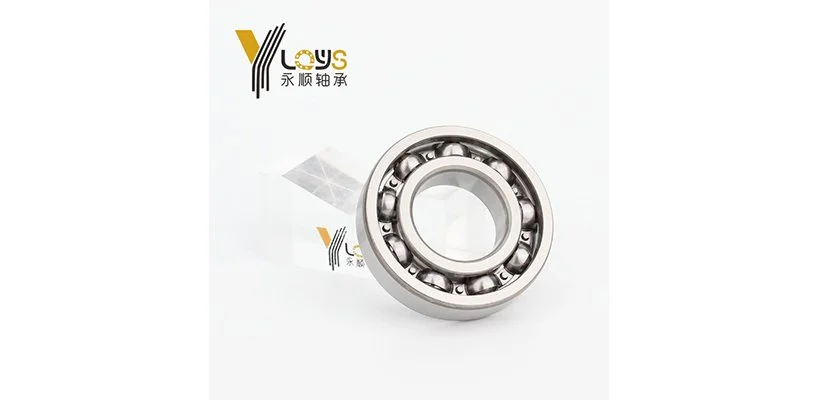
To handle these tough conditions, high speed EV bearings—particularly accurate deep groove bearings for EVs—are now vital. These bearings allow steady spinning in traction motors, e-axles, reducers, and support systems. They also keep noise low and energy waste small. In tight electric drive setups where space is precious, deep groove ball bearings provide strong load handling and less rubbing in a compact size.
EV Market Trends Driving Demand for High Speed Bearings
By 2026, worldwide EV output should top 30 million units each year. This big increase boosts the need for advanced EV motor bearings that manage quicker turns and hotter conditions. As makers switch from internal combustion engine (ICE) bases to pure electric setups, the main design goal turns to slimmer e-axles and combined drive parts.
The latest electric power systems call for pieces that cut down on mechanical waste. At the same time, they must stay tough during ongoing torque changes. Buyers of bearings no longer accept basic car standards. Instead, they look for exact levels like P5 or P6, protection from stray electricity, softer sounds, and features built for specific uses.
In essence, the EV shift covers more than batteries or programs. It includes careful mechanical work at every turning point.
Where Deep Groove Ball Bearings Are Used in EV Systems
Traction Motors
Traction motors form the core of an EV drivetrain. They run at very high RPM rates. Even a small unevenness can lead to shakes or sound problems. Bearings in these spots need electric shielding to stop current flow through the tracks. This issue often causes early breakdowns in systems powered by inverters.
Electric Drive Units and E-Axles
Modern e-axles pack the motor, gearbox, and inverter into one case. Bearings for these must mix space savings with firmness at fast speeds. Designs with low rub in deep groove styles aid steady torque flow. They also cut down on heat buildup.
Auxiliary Systems
Auxiliary systems cover items like e-compressors, EPS (electric power steering) motors, and coolant pumps. These depend on tinier bearings that still face heavy demands. Such uses need closed or covered types to block dirt. At the same time, they keep turning effort low.
Light-Duty Wheel-Side or Compact Drives
In light city EVs or hybrid parts where room is limited, deep groove ball bearings perform well. This comes from their basic build and ability to handle quick speeds.
LQYS Bearings supplies P5/P6 accurate deep groove ball bearings, insulated hybrid ceramic types for electric safety, as well as closed/covered choices made for NEV (New Energy Vehicle) uses.
Key Selection Criteria for High Speed Deep Groove Ball Bearings for EVs
When picking high speed deep groove ball bearings for electric vehicles, certain tech details shape how well they work:
|
Criterion |
Description |
|
Speed Rating / dm·n Value |
Shows the allowed turning speed; vital for traction motors above 15,000 rpm. |
|
Precision Grade (P5/P6) |
Sets the size accuracy and shake control; better levels lower sound at fast RPMs. |
|
Cage Material & Stability |
Polyamide or brass cages fight bending under outward pull; key for ongoing fast use. |
|
Electrical Insulation / Hybrid Ceramic Design |
Stops current-caused dents on tracks by adding ceramic balls or coated rings. |
|
Seal Type (ZZ / 2RS) |
Metal covers (ZZ) fit clean settings; rubber seals (2RS) guard against dust or water entry. |
|
Lubrication |
Custom greases handle rub and warmth; some pick low-effort lubes fit for electric setups. |
|
Noise & Vibration Performance |
NVH rules in EVs are stricter than in ICE vehicles—bearings must turn nearly without sound under changing loads. |
|
Temperature Resistance |
Materials need to endure repeated heat shifts during quick speed-ups and braking recovery events. |
|
OEM Customization & Batch Consistency |
Steady suppliers give sample checks and firm quality plans for large runs. |
Choosing the best mix of these elements affects motor output and lasting time directly.
Why Choose LQYS Bearings for EV Bearing Sourcing
LQYS Bearings acts as a solid choice for getting parts, not just a plain list provider. The firm focuses on careful making in car and factory fields. Its range includes:
- Deep groove ball bearings
- Hybrid ceramic bearings
- Automobile bearings
- Tapered roller bearings
- Cylindrical roller bearings
- Angular contact bearings
- Miniature bearings
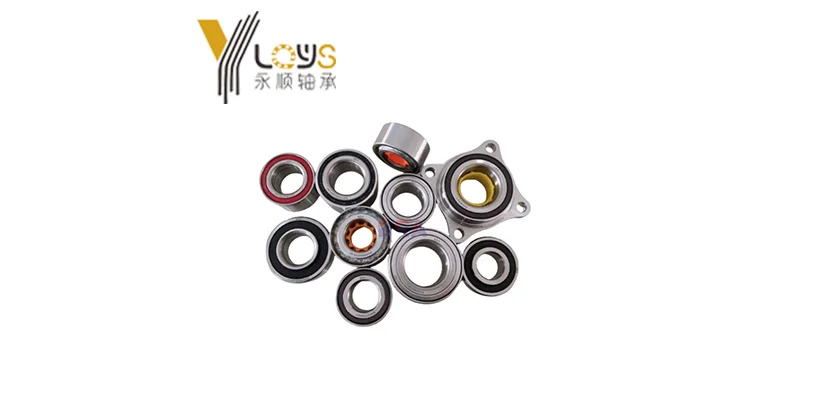
For electric travel needs, LQYS offers shielded styles, P5/P6 accurate levels, low-rub shapes, closed/covered kinds, and OEM/ODM custom work suited for:
- Traction motors
- Reducers
- Auxiliary pumps
- Electric drive systems
The brand aids designers with tech matching help, large order planning, custom plans, and swap options that match global names. All this comes with steady quality oversight.
Conclusion
In 2026, the job of high speed deep groove ball bearings grows more important. It aids better turning output and steady strength in small e-drive bases. Designers of future traction setups must think about performance numbers. They also need to weigh supplier steadiness over long build periods.
Selecting a dependable partner like LQYS Bearings gives entry to tested skills in car-level careful making. This helps OEM buyers create quieter, tougher-lasting electric drivetrains fit for coming travel rules.
FAQs
Q1: What specifications are most important when selecting high speed deep groove ball bearings for EV motors?
A: Main points cover the speed limit (dm·n value), accurate level (P5/P6), cage strength at high RPMs, lube kind for warmth handling, closing setup (ZZ or 2RS), and electric shielding if needed by inverter-powered systems.
Q2: When should an EV manufacturer choose hybrid ceramic or electrically insulated deep groove ball bearings?
A: Hybrid ceramic or shielded kinds work best when electric wear risks exist from inverter power jumps. This often happens in traction motors over 400V DC bus levels.
Q3: How do cage design, lubrication, and sealing affect the service life of EV motor bearings?
A: A firm cage avoids bending at quick speeds. Right lube cuts rub losses. Good closing blocks dirt out. All three boost bearing lasting under hard work cycles.
Q4: What is the difference between P5/P6 precision bearings and standard automotive deep groove ball bearings?
A: P5/P6 levels hold tighter measures on roundness and side run than basic kinds. This leads to less shake fit for quiet electric drivetrains.
Q5: How can OEM buyers evaluate a reliable electric vehicle bearing supplier for long-term production?
A: Steadiness relies on even batch checks, trackable make logs, tech aid during plan stages, and power to grow supply without losing accuracy. These are spots where LQYS Bearings offers firm backing.