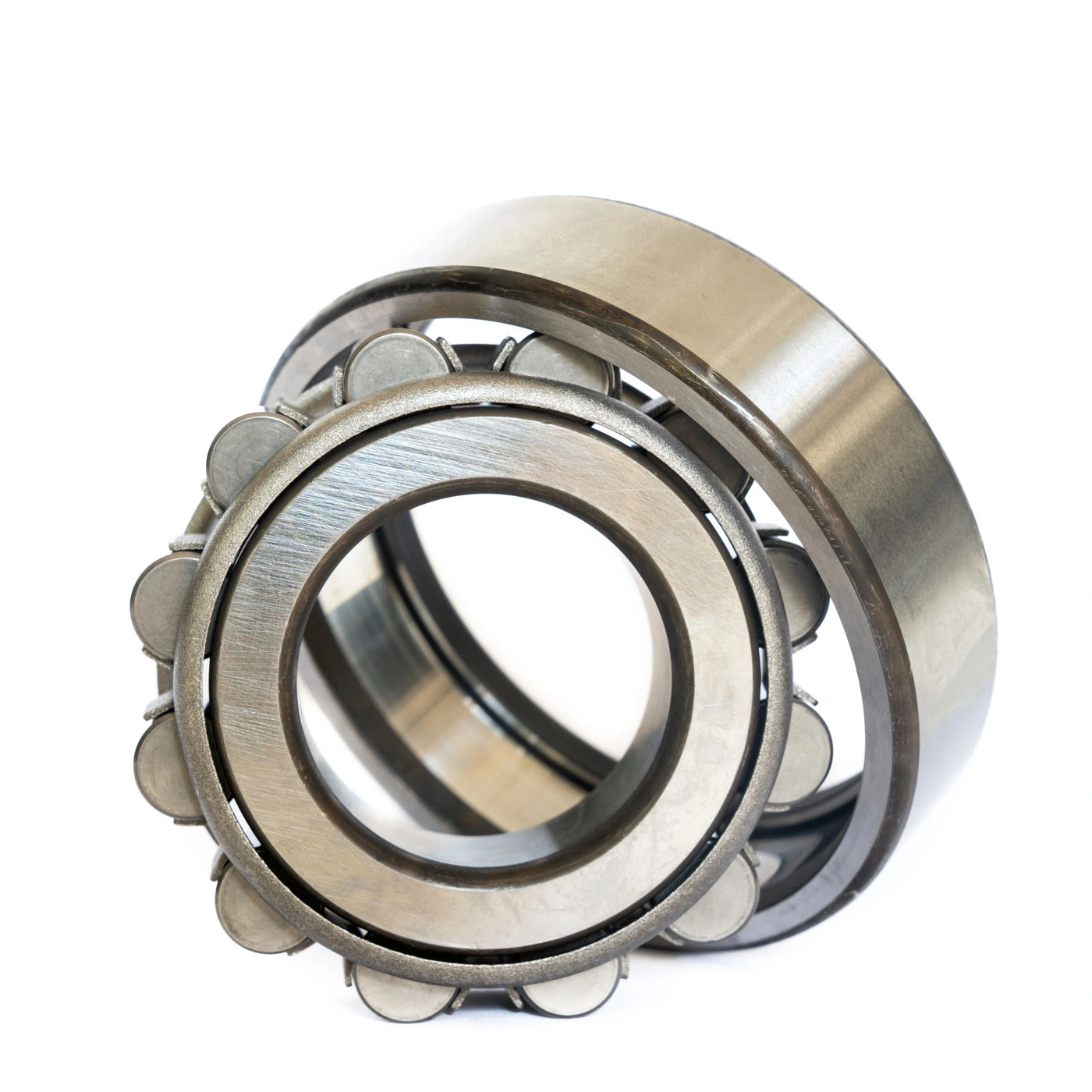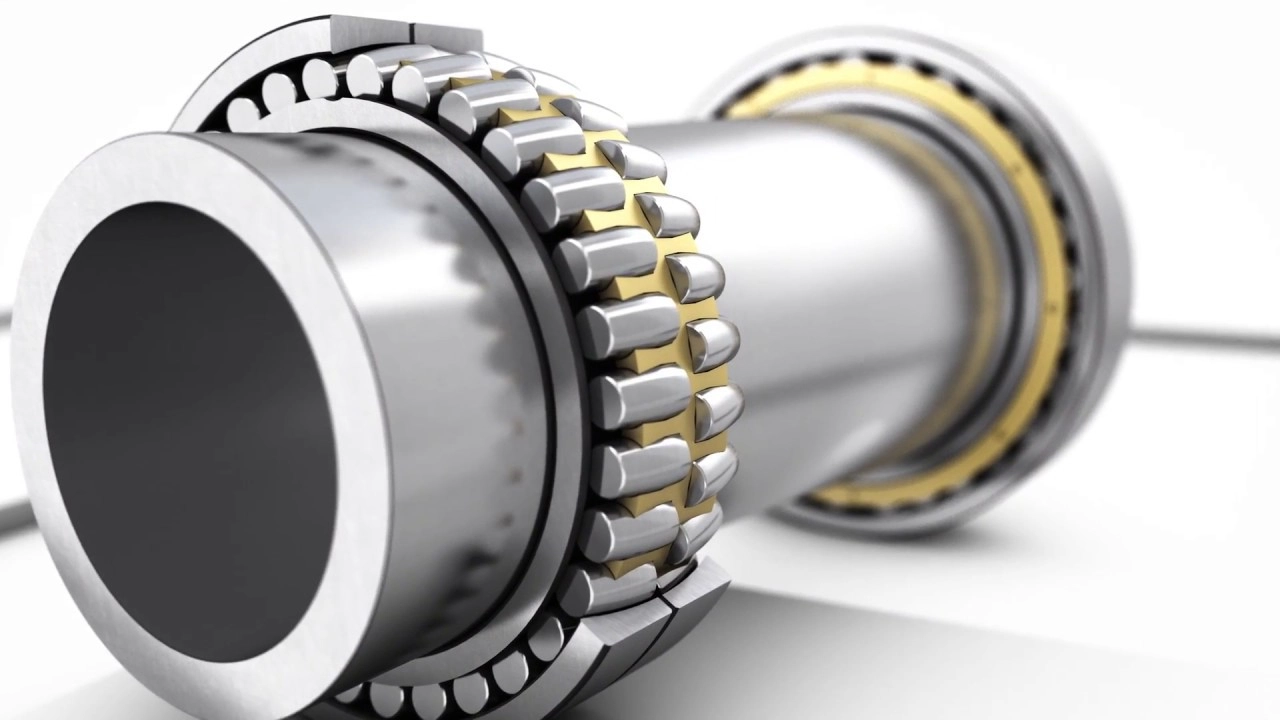

The Many Uses of Roller Bearings in Different Machines
2026-04-24Roller bearings work as key mechanical parts. They support rotating shafts and cut down friction. At the same time, they handle different kinds of loads in many types of machinery. These parts allow smooth motion under radial, axial, and thrust forces. You find them in all sorts of uses, from heavy industrial gear to precise setups. Makers and suppliers see how useful they are. They create designs that fit special needs in various fields.
SLS Bearings once pointed out the main roller bearing types and what they do. The next part looks closer at cylindrical, tapered, spherical, and needle roller bearings. It pulls from standard engineering ideas and real industry uses. Extra parts cover how to pick them, load and speed factors, and new materials. All this gives a full picture to help improve equipment.
1. Cylindrical Roller Bearings

a) Role
These bearings mainly deal with high radial loads. They also let the shaft expand when heat builds up during power transfer. Their build supports strong performance and long life under tough conditions. They work well where big forces push straight across the shaft.
b) Function
Cylindrical roller bearings reduce friction with a rolling motion like a conveyor. They focus on radial load strength instead of axial. This setup moves heavy loads with little rolling resistance. Overall, it makes the whole machine run more efficiently.
c) Advantages
High radial load capacity at fast speeds is a big plus. The even shape makes parts easy to swap and fix. They do not handle much thrust, but their strong build helps. Newer versions come with separable designs. This makes mounting and upkeep simpler in real-world jobs.
d) Applications
Cylindrical roller bearings show up in many fields because they stay reliable where radial loads rule. Common uses include:
-
Oil pumps
-
ギアボックス
-
Electric motors
-
Steel mills and rolling equipment
-
Material handling systems
-
Wind turbine main shafts
-
Road sweepers and construction vehicles
-
Kingpins in steering systems
-
Transmission systems in vehicles and machinery
-
Agricultural equipment such as harvesters and tractors
-
Air conditioning compressors
-
Kitchen faucets and light-duty rotating mechanisms
Other industrial jobs involve railway axles. There, fast radial stability matters a lot. Papermaking machines also need exact shaft support during nonstop work.
2. Tapered Roller Bearings
锥形ローラーベアリング look like cylindrical ones. Yet they add an angled shape on the rollers and raceways. This shape lets them manage radial and axial loads together. The taper angle decides how much axial load they can take.
a) Role
The main job is to handle bigger axial loads along with radial forces. Steeper taper angles raise axial capacity. This supports mixed loads that often appear in wheel and shaft setups.
b) Function
Dual raceways sit at an angle. They push back against inertial forces and friction. When used in pairs, like on opposite sides of vehicle wheels, tapered roller bearings give better lasting power. Loads spread evenly in both directions.
c) Advantages
Strong combined load capacity is the main strength. Bigger grease spaces in the clearance areas allow longer times between lubrication. Single-row, double-row, and four-row setups give options for different work cycles. Separable parts make installation and tweaks easier.
d) Applications
Tapered roller bearings manage tough settings through flexible row choices. Typical uses cover:
-
Vehicle wheels and hubs
-
Rolling mills in metal processing
-
Gearboxes and speed reducers
-
Hoisting and lifting equipment
-
Mining machinery such as crushers and conveyors
-
Agricultural machines including plows and combines
-
Propeller shafts in marine and automotive applications
-
Sports and industrial robots requiring precise motion control
More uses appear in heavy-duty truck axles, railway wheelsets, and construction equipment. These spots often see misalignment and sudden shock loads.
3. Spherical Roller Bearings
Spherical roller bearings mix traits from cylindrical and ball bearings. They use barrel-shaped or cask-like rollers. The self-aligning build handles misalignment between the inner and outer rings.
a) Role
These bearings manage thrust in both directions. They also add movement flexibility. The tapered roller ends take in friction even when angles are off. This keeps things steady in less-than-perfect mounting.
b) Function
Double-row raceways work with a center flange and better lubrication. Together they raise load capacity and lower friction. The staggered roller setup in the cage cuts edge stress. It supports high-pressure conditions.
c) Advantages
The ability to handle misalignment is the standout feature. It can reach several degrees based on the series. High bidirectional thrust capacity plus tough cage designs lengthen service life in vibrating or moving loads. Newer models add better sealing for dirty places.
d) Applications
Spherical roller bearings do well where shaft bend or housing misalignment happens. Wide use covers:
-
Off-road vehicles and heavy equipment
-
Oil pumps and fluid handling systems
-
Food processing machinery
-
Gearboxes in industrial drives
-
Material handling conveyors and elevators
-
Pulp and paper processing equipment
-
Mechanical fans and blowers
-
Continuous casting machines in steel production
-
Wind turbines (both onshore and offshore)
-
Marine propulsion systems
-
Drilling units in oil and gas exploration
-
Construction machinery such as excavators and cranes
Extra fields include textile machinery and metallurgy equipment. There, heat growth and vibration need self-aligning traits.
4. Needle Roller Bearings
Needle roller bearings form a special group of cylindrical designs. They use long, thin rollers to gain high radial load capacity in tight radial spaces. More rollers inside the raceway set them apart from regular cylindrical types.
a) Role
They are made for solid power transfer in joints and pivots. Needle roller bearings cut friction under high radial loads. Dense roller packing also lowers misalignment risks.
b) Function
The slim shape boosts oil flow and contact area. This raises durability and radial load handling. Straight lines of rolling parts improve thrust capacity in some setups. Drawn-cup or machined-race versions give design choices.
c) Advantages
Small size plus high radial load ratings allow tight designs. Less stress on lubricant, lower friction, and better heat handling add to energy savings. Full-complement or caged versions let users balance speed against load needs.
d) Applications
Needle roller bearings overlap with cylindrical uses. Yet they fit smaller or lighter builds well. Common examples include:
-
Automobile components including transmissions and engines
-
Rocker arm pivots in valvetrains
-
Transmission devices and planetary gear sets
-
Air compressors
-
Two-stroke and four-stroke engines
-
Constant mesh gears
-
U-joints and universal joints
-
Pulley supports in belt drives
More uses show up in motorcycle engines, textile spindles, and precise medical equipment. There, the smallest possible size is very important.
Load and Speed Considerations in Roller Bearing Selection
Good selection needs review of dynamic and static load ratings plus running speeds. Cylindrical and needle types focus on radial loads. Their speed factors often beat tapered designs under pure radial work. Spherical bearings balance load with misalignment tolerance. Tapered ones handle axial parts well in paired setups.
Engineers figure equivalent dynamic bearing load with ISO standards. They include shock and vibration from the specific job. Limiting speed depends on lubrication—grease or oil—and cage material. Brass or polyamide cages often allow higher RPM in new assemblies. Good clearance helps control heat. This stops early fatigue in fast-running cases.
Material and Design Advancements Enhancing Performance
Today’s roller bearings use high-purity chrome steel or case-hardening alloys. These give better resistance to fatigue. Surface treatments like nitriding or coatings cut wear in rough spots common to mining or steel work. Precise grinding reaches tighter tolerances. This improves noise and vibration levels important for electric motors and gearboxes.
Sealing and shielding choices—contact seals, non-contact shields, or labyrinth designs—guard against dirt while keeping lubricant in. For extreme conditions, ceramic hybrid rollers or special lubricants stretch service times in hot or corrosive settings found in chemical processing or marine use.
Linking with related parts, such as pillow block housings or adapter sleeves, makes installation smoother across the product range from bearing manufacturers. LQYS Bearings keeps separate categories for cylindrical roller bearings, tapered roller bearings, spherical roller bearings, and needle roller bearings. They also offer related types like angular contact and thrust variants. This supports full system answers.
Selecting the Right Type of Roller Bearings
Each roller bearing type shows clear differences in load, speed, and alignment traits. A full check of operating details—radial versus axial load ratios, speed, possible misalignment, and environment—helps cut machine downtime and avoid early failure. Talk with technical specialists. This ensures the best choice for long life and good efficiency.
よくあるご質問
What is the primary difference between cylindrical and needle roller bearings?
Cylindrical roller bearings handle high radial loads with standard-length rollers, while needle roller bearings use longer, thinner rollers for higher load capacity in smaller radial spaces.
Can tapered roller bearings manage both radial and axial loads simultaneously?
Yes, their angled design supports combined loading, with paired arrangements commonly used in wheel hubs and gearboxes for balanced performance.
How does misalignment affect spherical roller bearings compared to other types?
Spherical roller bearings accommodate significant misalignment through their barrel-shaped rollers and self-aligning outer raceway, making them preferable in applications with shaft deflection.
Are needle roller bearings suitable for high-speed applications?
Needle roller bearings perform well in moderate to high speeds when properly lubricated, though full-complement designs may require speed limitations compared to caged variants.
What industries commonly utilize all four main roller bearing types?
Automotive, agriculture, mining, steel processing, wind energy, and material handling sectors frequently specify combinations of cylindrical, tapered, spherical, and needle roller bearings based on specific load and alignment needs.
LQYS Bearings as Manufacturer and Seller of Precision Roller Bearings
Business seeking reliable bearing solutions benefit from partnering with an integrated producer capable of delivering high-precision cylindrical, tapered, spherical, and needle roller bearings alongside comprehensive OEM and distribution services. 完璧なシーリング operates as a manufacturer and seller with advanced production processes, modern testing equipment, and a focus on quality across a 12,000m² facility supporting mechanical equipment, automotive, steel, mining, oil, railway, and related industries. With export reach to over 30 countries and コンタクト options including telephone +8613002187311, WhatsApp +8618013237311, and email salesjake@lqysbearing.com, LQYS Bearings stands ready to supply tailored roller bearing solutions that enhance equipment reliability and performance. Reach out today to discuss specifications, request quotations, or explore full product catalogs for optimized machinery applications.