

SKF, FAG, and TIMKEN Bearings: Lead Time, Stock, and Sourcing Risk Guide
2026-06-12SKF, FAG, and TIMKEN bearing lead times can change quickly when market demand, warehouse stock, model complexity, order quantity, and shipping conditions shift. For industrial buyers, the real issue is not only finding a quotation. A reliable purchase also depends on correct model confirmation, stock availability, delivery time, packaging details, technical specifications, and supplier reliability. When a bearing is needed for a gearbox, motor, pump, fan, conveyor, vehicle, or heavy machine, a delayed or incorrect shipment may lead to downtime that costs far more than the bearing itself.
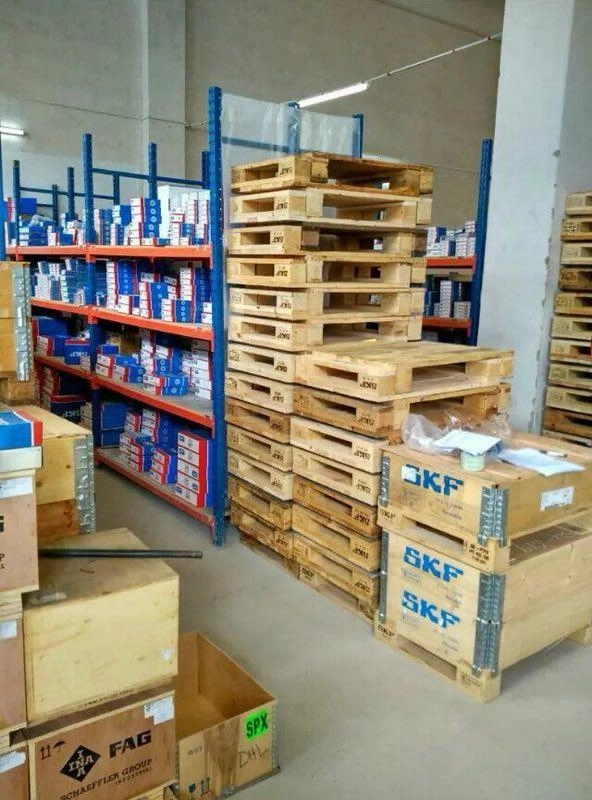
Shanghai Yongheshun Import and Export Co., Ltd. serves as a multi-brand bearing supplier and industrial bearing sourcing partner for international bearing brands, while also supplying LQYS bearing products. The company supports industrial buyers with bearing sourcing, model checking, export coordination, and technical communication for machinery repair, factory maintenance, automotive systems, power transmission, mining, oil, papermaking, and general industrial equipment.
Why Bearing Lead Times Change
Bearing lead time is not fixed across all models, even within the same brand. A standard deep groove ball bearing may be easier to source than a large-size tapered roller bearing, high-precision angular contact bearing, special clearance cylindrical roller bearing, or heavy-duty spherical roller bearing. The more specific the design, the more important it becomes to check actual stock before confirming a delivery date.
Model Type and Specification Differences
SKF bearing lead time, FAG bearing lead time, and TIMKEN bearing lead time may vary because of bearing size, clearance, cage material, seal type, precision grade, lubrication, and suffix codes. A common bearing series may have several versions. One version may be open type, another may use rubber seals, metal shields, C3 clearance, brass cage, high-temperature grease, or special heat treatment.
Order quantity also affects bearing availability. A supplier may have enough stock for emergency repair but not enough for a bulk order. Shipping route matters as well. Express delivery may suit urgent bearing replacement, while sea freight may be better for planned wholesale bearings or repair stock.
Stock Bearings vs Special Bearings
In-stock bearings are usually standard models with common sizes and regular specifications. These may include certain ball bearings, tapered roller bearings, cylindrical roller bearings, and standard motor bearings. For buyers handling daily maintenance, these models are often easier to plan and reorder.
Special bearings are different. Large bore sizes, uncommon suffixes, special seals, high-precision grades, brass cages, non-standard lubrication, or application-specific designs may require longer sourcing time. A bearing stock check should therefore confirm not only the basic model, but also the exact suffix and available quantity.
Shanghai Yongheshun Import and Export Co., Ltd. supports buyers who need stock checks, delivery planning, and bearing quotation assistance for international bearing brands. As a bearing distributor for international brands and a supplier of genuine SKF, FAG, and TIMKEN bearings, the company helps industrial buyers compare stock status and technical requirements before orders are placed.
Confirm the Bearing Model Before Checking Lead Time
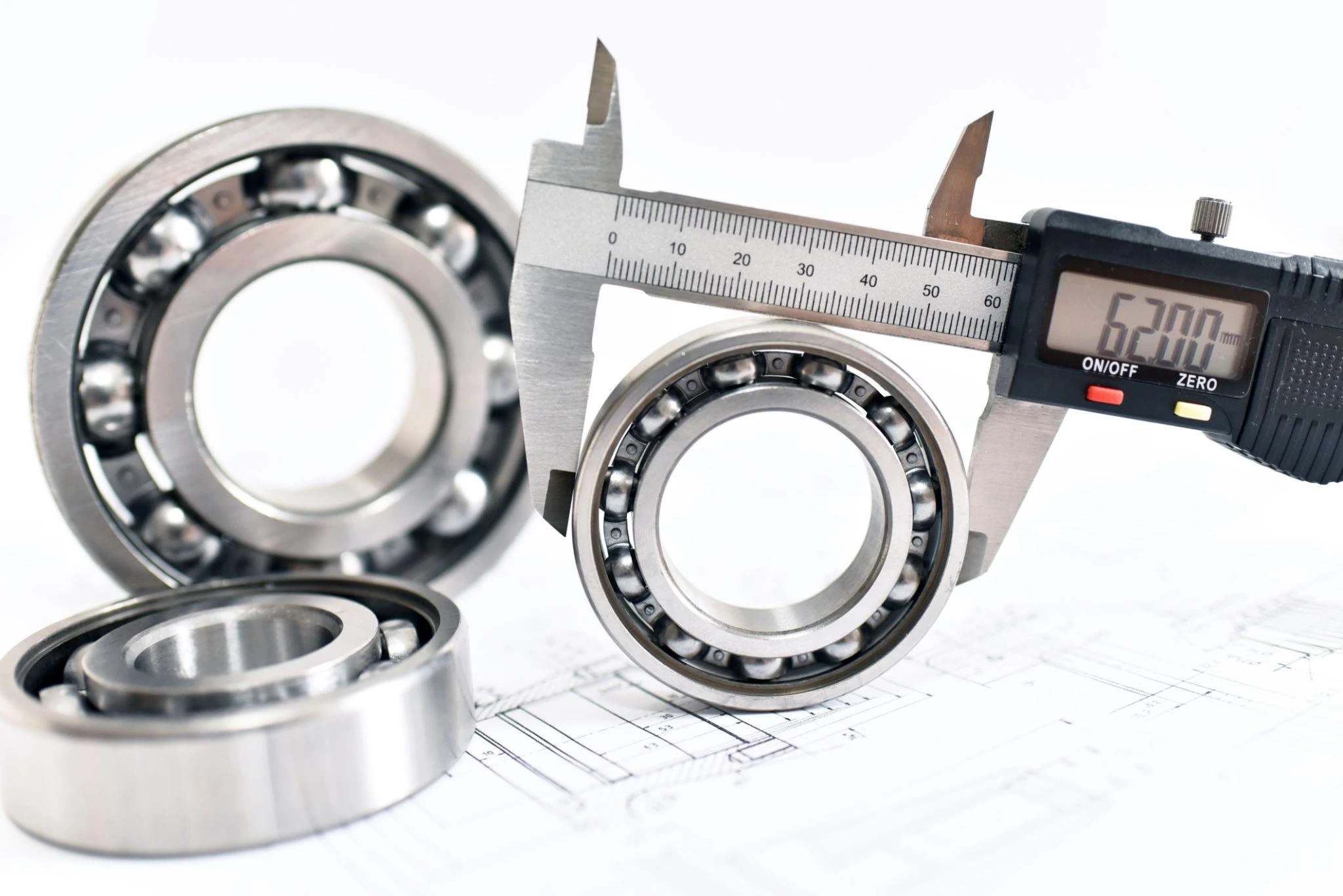
Many lead time problems begin with incomplete model information. A request such as “SKF bearing” or “TIMKEN 30210” may not be enough for accurate sourcing. Full model details are needed to confirm the correct product and avoid delay.
What Buyers Should Confirm First
The purchasing team should check the bearing model number, bearing dimensions, suffix meaning, clearance, seal type, cage material, precision grade, lubrication, and application. If the old bearing is available, clear photos of the marking and packaging are useful. If the bearing is already damaged, drawings, shaft dimensions, housing dimensions, running speed, load condition, and equipment type should be reviewed before quotation.
This step is especially important for gearboxes, crushers, steel mill equipment, pumps, fans, and motors. A bearing that fits the shaft may still be wrong for the load, speed, temperature, or sealing condition. Correct model confirmation helps reduce sourcing risk before price and delivery are discussed.
How Buyers Can Reduce Bearing Sourcing Risk
Industrial bearing procurement should not wait until a machine stops. For critical equipment, buyers should build a spare parts plan based on failure history, delivery time, production importance, and repair frequency. Fast-moving models should be checked regularly, while long-lead-time bearings should be planned before shutdown season.
A practical sourcing process should include stock confirmation, lead time check, packaging review, batch information, invoice details, shipping method, and technical communication. Supplier reliability matters here. A reliable bearing supplier should give clear answers on available quantity, realistic delivery time, model suffix, packaging condition, and order handling.
Abnormal low prices, unclear stock claims, vague delivery promises, or missing packaging details should be treated with caution. For factories and repair companies, reducing bearing sourcing risk means protecting uptime, not simply cutting the purchase price.
Compare Price, Lead Time, and Downtime Cost
Bearing price is only one part of the purchasing decision. A lower quote may not be the best option if the model is uncertain, delivery time is unstable, or the supplier cannot support technical confirmation. In many industrial settings, one day of machine downtime can exceed the price difference between several bearing offers.
For urgent bearing suppliers and industrial bearing purchase teams, lead time comparison should include ready stock, incoming stock, special order timing, shipping route, payment terms, and packing condition. For bulk orders, consistency across the shipment also matters. Mixed batches, unclear labels, or incomplete suffix confirmation may create problems during installation.
When to Check Bearing Cross Reference
Bearing cross reference may be considered when the required SKF, FAG, or TIMKEN model is out of stock or has a long delivery time. However, an equivalent bearing should not be selected by dimension alone. The replacement must match load rating, speed rating, clearance, seal type, cage structure, precision grade, lubrication, and working condition.
Technical Confirmation Before Purchase
An SKF bearing equivalent, FAG bearing equivalent, or TIMKEN bearing equivalent may be suitable in some applications, but the operating environment decides the final result. A low-speed conveyor bearing, high-speed motor bearing, precision gearbox bearing, and heavy-duty reducer bearing do not face the same demands. Technical confirmation should come before a purchase order.
Industrial Buyer Checklist for Lead Time Control
|
Check Item |
What Buyers Should Confirm |
|
Full model |
Brand, series, size, and suffix |
|
Specification |
Clearance, cage, seal, precision, lubrication |
|
Application |
Motor, gearbox, pump, fan, conveyor, vehicle, heavy machinery |
|
Stock |
Available quantity and warehouse status |
|
Lead time |
Ready stock, incoming stock, or special order |
|
Quantity |
Sample order, repair stock, or bulk order |
|
Packaging |
Brand packaging, label, batch information |
|
Documents |
Invoice, packing details, product photos, certificates if available |
|
Shipping |
Air, sea, express, or consolidated shipment |
|
Risk control |
Avoid unclear source, abnormal low price, and vague delivery promises |
Conclusion
Managing SKF, FAG, and TIMKEN bearing lead times requires accurate model confirmation, real stock checks, clear packaging details, reliable delivery planning, and supplier communication. For industrial buyers, the strongest purchasing decision is not always the fastest quote or the lowest price. It is the order that matches the machine’s technical requirements and reduces production downtime risk.
Need help confirming bearing dimensions, load rating, clearance, seals, cage type, lead time, or equivalent specifications? Send the bearing model, drawing, photos, or working conditions to Shanghai Yongheshun Import and Export Co., Ltd. for technical support.
FAQs
Q1: Why are SKF, FAG, and TIMKEN bearing lead times different?
A1: SKF, FAG, and TIMKEN bearing lead times differ because of model type, size, suffix codes, clearance, cage material, precision grade, stock level, order quantity, and shipping method. Standard bearings may be available faster, while special bearings often need longer sourcing time.
Q2: How do I check bearing stock before placing an order?
A2: Send the full bearing model, suffix, quantity, required brand, application, and delivery location. A reliable bearing supplier can then check available quantity, warehouse status, packaging, expected lead time, and suitable shipping method.
Q3: What should I do if a bearing is out of stock?
A3: First confirm whether incoming stock or another warehouse source is available. If delivery still cannot meet the repair schedule, bearing cross reference may be reviewed through dimensions, load rating, speed rating, clearance, seals, cage type, and working conditions.
Q4: How can industrial buyers reduce bearing sourcing risk?
A4: Industrial buyers can reduce bearing sourcing risk by planning critical spare parts early, confirming full model numbers, checking supplier reliability, avoiding unclear sources, reviewing packaging details, and working with a multi-brand bearing supplier that can support technical confirmation.
Q5: Why should bearing lead time be checked before comparing price?
A5: Bearing lead time should be checked first because a low price has limited value if the product cannot arrive before a shutdown or repair window. For industrial equipment, downtime cost often outweighs small price differences between bearing quotations.