

How to Extend Electric Motor Bearing Life: Lubrication, Failure Causes, and Maintenance Tips
2026-06-11In motor repair shops, production plants, and equipment maintenance teams, electric motor bearing life is usually judged by running temperature, vibration, noise, grease condition, and how often the same motor comes back for service. A bearing may be made to a reliable standard, but it can still fail early when the grease breaks down, the shaft is out of line, the housing fit is loose, or the selected bearing does not match the actual speed and load. For buyers and maintenance managers, longer service life comes from controlling the whole working condition, not only replacing the damaged part.
Shanghai Yongheshun Import and Export Co., Ltd., through the LQYS bearing supply platform, provides ball bearings, angular contact ball bearings, cylindrical roller bearings, thrust ball bearings, and other industrial bearing products for electric motors, power transmission equipment, automotive systems, machinery repair, and general industrial use. For distributors, OEM buyers, repair companies, and factory maintenance teams, stable motor bearing performance helps reduce unplanned shutdowns, repeated labor cost, and emergency purchasing.
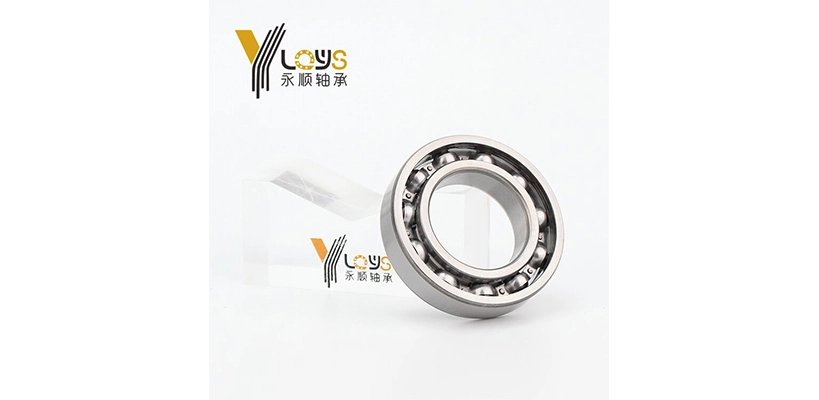
Why Electric Motor Bearings Fail Earlier Than Expected
Electric motor bearing failure often begins long before the motor stops. The machine may still run, but the signs are already visible. Bearing noise in an electric motor, rising housing temperature, abnormal vibration, grease leakage, shaft movement, or an unstable running sound can all point to internal friction, poor lubrication, contamination, or excessive load.
Poor Lubrication
Electric motor bearing lubrication is one of the first areas to check when premature bearing failure appears. Too little grease leaves the rolling elements and raceways without a stable oil film. Too much grease is also a problem, especially in high-speed motors, because churning can raise temperature and pressure inside the bearing cavity. Grease that does not match the working temperature or speed may harden, separate oil, or lose film strength too quickly.
In many workshops, the issue is not whether the motor has been greased. The issue is whether it has been greased correctly. A motor bearing grease interval should be based on bearing size, speed, load, temperature, grease type, sealing condition, and running hours. Calendar-based greasing may suit simple equipment, but continuous-duty motors, dusty environments, hot production lines, and high-speed applications need more careful control.
Misalignment and Excessive Vibration
Motor bearing vibration often comes from the equipment around the motor rather than from the bearing alone. Shaft misalignment, worn couplings, high belt tension, rotor imbalance, soft foot, loose base bolts, and poor housing fit can all push extra force into the bearing. When this happens, a new bearing may fail again even if the replacement part is correct.
This problem is common on pumps, fans, conveyors, compressors, and belt-driven equipment. A noisy motor bearing may be the symptom, while the real cause is an offset shaft or overloaded drive. After bearing replacement, the shaft alignment, coupling condition, belt tension, end cover fit, and vibration level should be checked before the motor is returned to service.
Heat, Dust, and Moisture
Bearing overheating in an electric motor shortens grease life and increases surface wear. High temperature makes grease thinner, speeds up oxidation, and can leave the raceway with poor lubrication protection. Dust and moisture create another type of damage. Fine particles may scratch the raceway surface, while water can cause corrosion, grease breakdown, and noise.
For motors used in textile plants, mining equipment, paper machinery, agricultural equipment, outdoor fans, and dusty workshops, sealed motor bearings or shielded motor bearings may be selected according to speed, temperature, and maintenance access. A suitable seal or shield helps control contamination, but it should not add too much friction for the operating speed.
Wrong Bearing Selection
The best bearing for electric motors is not selected by bore size and outside diameter alone. Speed rating, radial load, axial load, clearance, cage design, lubrication, noise grade, and working temperature all matter. Deep groove ball bearings are commonly used in standard electric motors because they offer low friction, good speed capability, and steady performance under radial load with limited axial load. Angular contact ball bearings may be used when the motor structure needs stronger axial positioning or higher thrust support.
For a low-noise motor bearing, high-speed motor bearing, or sealed ball bearing for motor use, the duty cycle should be clear before ordering. In wholesale purchasing, batch consistency is also important. Small differences in clearance, grease quality, or noise grade can affect many motors on the same production line.
How to Extend Bearing Service Life in Electric Motors
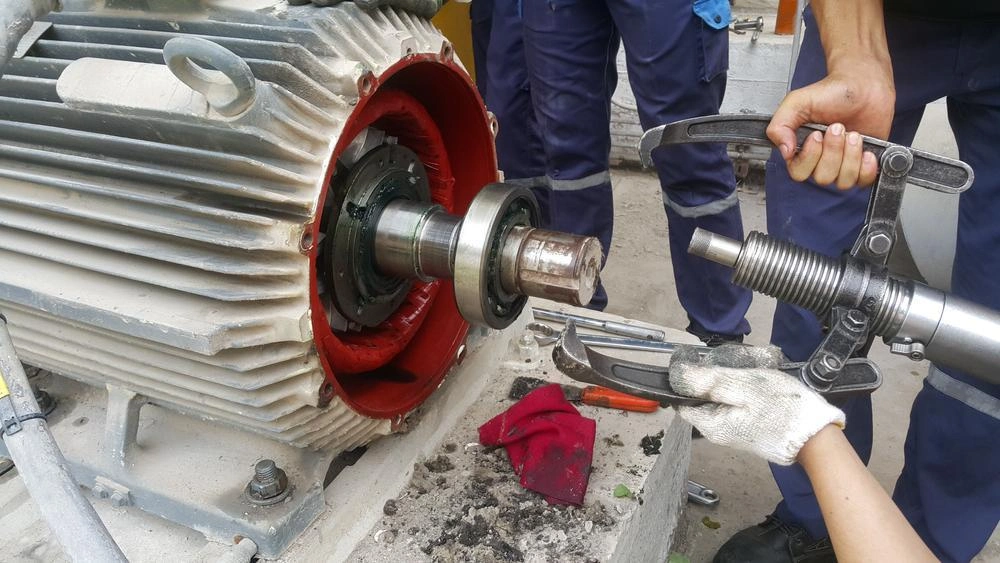
Extending bearing service life starts with a clean, controlled installation and a realistic maintenance plan. Lubrication should be clean, compatible with the original grease, and suitable for motor speed and temperature. Grease fittings should be wiped before regreasing, and excess grease paths should not be blocked. For sealed bearings, maintenance teams should confirm whether the bearing is designed for relubrication before adding grease.
Alignment must be treated as part of bearing maintenance. After installation, the shaft should rotate smoothly without tight spots or abnormal resistance. Couplings should not pull the shaft out of position. Belt-driven motors should avoid excessive belt tension because it increases radial load on the motor bearing and may shorten service life. If the same motor repeatedly damages bearings, the end cover, housing seat, shaft fit, and mounting base should be inspected.
Temperature and vibration records are useful in daily maintenance. A motor that normally runs warm but suddenly becomes hotter may have grease trouble, overload, misalignment, or internal bearing damage. A sharp noise may indicate raceway marks, contamination, or poor clearance. Regular inspection gives maintenance teams a chance to act before the motor reaches complete failure.
Procurement Checklist for Motor Bearing Buyers
For procurement teams and bearing distributors, motor bearing maintenance begins before the bearing is installed. A clear purchasing specification should include bearing size, tolerance class, clearance grade, seal or shield type, grease requirement, speed rating, load rating, noise level, and working temperature. For electric motor applications, consistency across batches is important because one bearing model may be used in many motors.
Shanghai Yongheshun Import and Export Co., Ltd. integrates production, sales, trade, and export, with LQYS bearing products serving machinery, automotive systems, electric power equipment, mining, oil, papermaking, and other industrial fields. Its product range supports buyers who need common motor bearings, ball bearings, angular contact bearings, and related industrial bearing types through one supply channel. For wholesale orders, this helps reduce specification mistakes and supports steadier replacement planning.
Conclusion
Longer electric motor bearing life depends on the complete working system. Correct lubrication, clean handling, proper alignment, vibration control, heat management, contamination prevention, and suitable bearing selection all affect final service life. For B2B users, the goal is not only to replace a failed bearing. The stronger decision is to reduce repeat failure, improve motor reliability, and choose bearing products that match the real load, speed, temperature, and maintenance conditions of the equipment.
FAQs
Q1: How often should electric motor bearings be greased?
A1: Electric motor bearings should be greased according to speed, bearing size, operating temperature, load, grease type, sealing condition, and running hours. A fixed greasing interval does not suit every motor. High-speed motors, hot environments, dusty workshops, and continuous-duty equipment usually need a more controlled lubrication plan.
Q2: Why do electric motor bearings fail so often?
A2: Electric motor bearings often fail because of poor lubrication, contamination, overheating, shaft misalignment, excessive vibration, overload, wrong clearance, or incorrect bearing selection. If the damaged bearing is replaced but the root cause remains, the same failure may return quickly.
Q3: What type of bearing is best for electric motors?
A3: Deep groove ball bearings are commonly used in standard electric motors because they provide low friction, good speed capability, and stable running performance. When the motor has stronger axial load or positioning requirements, angular contact ball bearings may be a better fit.
Q4: How can bearing overheating in an electric motor be prevented?
A4: Bearing overheating can be reduced by using the correct grease amount, avoiding overgreasing, checking shaft alignment, controlling belt tension, improving ventilation, preventing contamination, and selecting a bearing with suitable clearance, seal type, and speed rating.
Q5: What causes bearing noise in an electric motor?
A5: Bearing noise in an electric motor may come from raceway damage, poor lubrication, contamination, excessive clearance, incorrect installation, misalignment, or vibration from connected equipment. Noise inspection should be followed by temperature checks, vibration readings, and a review of the motor’s operating load.