

Top Ball Bearing Trends for Medical & Automotive in 2026s
2026-05-16Introduction
The global ball bearing market is experiencing strong growth as the automotive and medical sectors drive demand for higher precision and performance heading into 2026. Electrification in vehicles and the expansion of minimally invasive medical technologies are creating new requirements for advanced ball bearings, particularly miniature bearings and hybrid ceramic bearings. These components must deliver lower friction, greater reliability, and extended service life under demanding conditions.
LQYS Bearings has established itself as a capable supplier and manufacturer, providing high-quality solutions that meet the evolving technical needs of both industries.
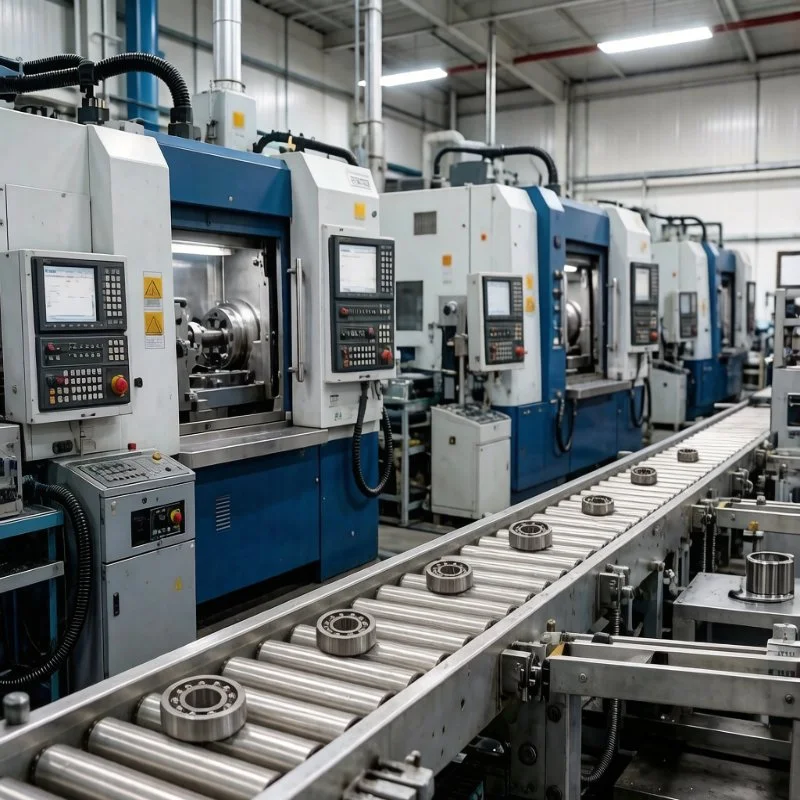
Rising Demand Drivers in Automotive and Medical Applications
The automotive sector keeps moving fast toward electric power. EV motors often reach 20,000 rpm or more these days. This puts huge stress on ball bearings to manage speed, warmth, and electric flows without breaking down. Plus, systems for better driving assistance and stricter rules on cabin noise call for quieter, less shaky operation.
In medicine, the focus stays on making things smaller and more dependable. Surgical robots, dental tools, imaging machines, and handheld diagnostic gear all require miniature bearings. These must provide even, exact movement in very confined areas. They also have to meet tough standards for cleanliness and durability. A bearing breakdown in a surgical device during an operation just cannot happen.
Both areas deal with similar challenges. They need less rubbing, greater lifespan, and protection from dirt or electric problems. Market figures confirm this. The EV bearing part expects solid double-digit growth into the early 2030s. Meanwhile, high-accuracy miniature ball bearings pick up steam in MedTech uses.
Key Trend 1: Miniaturization and High-Precision Designs
Limits on space push a lot of the new ideas. In EVs, builders pack motors and side systems into tighter spots. They do this to make room for bigger batteries or more passenger space. In medical tools, the drive for less invasive methods and wearable checkers makes each bit of room vital.
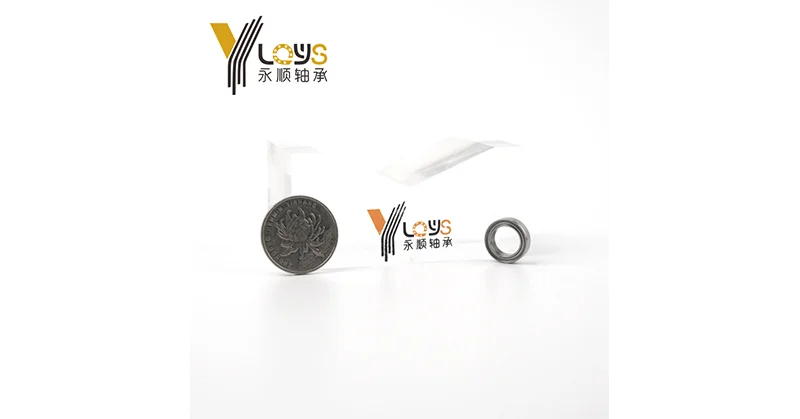
Miniature bearings with outside diameters below 10mm now achieve accuracy levels that seemed out of reach at such sizes. These parts cut down on weight and drag, which boosts EV fuel savings. They also give robotic surgery arms greater quickness.
One engineer mentioned in industry discussions that swapping to a properly chosen miniature deep groove ball bearing in a fresh dental device lowered shaking enough to clearly boost patient ease. Wins like that build up over many procedures.
LQYS Bearings has grown its small-size offerings to fit these precise wants. It provides close-tolerance choices that work for large-run automotive pieces and small-run, high-trust medical tools alike.
Key Trend 2: Hybrid Ceramic and Advanced Material Bearings
Hybrid ceramic ball bearings — those with steel rings and silicon nitride ceramic balls — mark one of the largest steps ahead. The ceramic balls weigh less, create much lower rubbing and warmth, and naturally block electric current.
For EVs, this blocking of electricity matters a great deal. Motors driven by inverters produce stray currents that can pit and damage traditional steel bearings over time. Hybrid setups stop that pitting harm, which stretches motor durability a lot. Certain tests reveal rubbing drops of up to 75% against full-steel versions in fast-running situations.
Medical uses gain from the rust resistance and the chance to operate with little or special oiling. This fits devices that face repeated cleaning. Hybrid ceramic picks also run with less sound, a helpful extra in surgery rooms where noise levels count.
Key Trend 3: Smart Bearings and Sensor Integration
The growth of upkeep that predicts problems introduces bearings with built-in sensors. These clever units track shaking, heat, and pace live. They send info to car control setups or hospital gear oversight systems.
In car applications, this tech aids groups in spotting troubles before they stop work. For medical machines, particularly pricey robotic ones, knowing just when a bearing nears its end can avoid expensive surprise halts. It also aids in better planning.
Full smart setup stays more typical in top-tier uses for now. But the tech spreads downward soon. LQYS Bearings backs these advances via careful building that allows sensor fitting without hurting main function.
Key Trend 4: Sustainability, Low-Friction, and Long-Life Solutions
Calls for green practices hit both fields. Car makers seek greater distance and less energy use. Hospitals and tool builders want parts that endure more and cut down on trash.
Closed, low-friction ball bearings with better grease mixes or self-oiling traits aid in both ways. Longer gaps between fixes mean fewer swaps and less stuff discarded. In EVs, each bit of power saved from less bearing rub turns straight into added miles on a charge — often making a real difference.
LQYS Bearings: Meeting 2026 Industry Demands
LQYS Bearings provides practical solutions across these trends. The firm offers deep groove ball bearings, angular contact types, and small series made for automotive electric shifts and medical exactness alike.
On-site production gives firm grip on materials, accuracy, and polishing. This adaptability aids buyers who want standard list items. It also helps those needing special touches like unique seals, covers, or mixed builds.
Plenty of customers value getting both top matches and strong internal lines from one supplier. This method often boosts stock and overall expense savings without dropping the function required for 2026 setups.
|
Trend / Feature |
Traditional Steel Bearings |
2026 Trend Solutions (LQYS) |
|
Size |
Standard |
Miniature & compact |
|
Speed Capability |
Good |
Excellent (hybrid) |
|
Electrical Insulation |
None |
Strong in hybrid designs |
|
Noise & Vibration |
Acceptable |
Significantly reduced |
|
Service Life |
Baseline |
Extended |
|
Predictive Monitoring |
Limited |
Sensor-ready options |
Practical Implications and Case Examples
Think of a cutting-edge EV motor holding steady fast speeds on a long drive. Hybrid ceramic ball bearings hold heat low and keep output strong even after vast mileage. Or imagine a surgery robot handling fine brain work — small exact bearings allow the steady, shake-free action that doctors count on.
In each cases, the proper bearing pick quietly aids larger aims: more EV miles, softer-sounding cars, sharper medical steps, and lower running expenses overall.
Business vehicle groups and hospital buying teams now eye full ownership costs over just initial tags. Bearings that hold up longer and need less fixing offer plain benefits in that view.
Conclusion
The ball bearing scene in 2026 mirrors the wider drive to electric power, accuracy, and smarts in various fields. From hybrid ceramic builds battling electric harm in EV motors to small bearings aiding gains in robot surgery, these parts keep changing in key manners.
LQYS Bearings shines by mixing forward building with hands-on use know-how. It offers the ball bearings, miniature bearings, and hybrid ceramic bearings that planners in car and medical areas require today. Reach out to LQYS Bearings to discuss your specific requirements and secure the right components for your next-generation projects.
FAQs
Q1: What are the main advantages of hybrid ceramic ball bearings in automotive EV applications?
A: Hybrid ceramic ball bearings cut friction and heat. They also give great electrical blocking against wandering currents from inverters. As a result, this brings longer durability, higher output, and calmer running in fast EV motors.
Q2: Why is miniaturization becoming a dominant trend for ball bearings in medical devices?
A: Current medical tools and surgery robots call for small, light parts that still hit under-one-millimeter accuracy and low shaking. Miniature bearings fill these room and output needs. At the same time, they back cleaning routines.
Q3: How do smart sensor-integrated ball bearings improve reliability?
A: They deliver live details on shaking, heat, and pace. This lets upkeep happen ahead of breakdowns. Thus, it lowers surprise stops in EV drive systems and key medical gear.
Q4: What factors should engineers consider when selecting ball bearings for high-speed EV motors versus medical equipment?
A: EV motors stress fast ratings, electric blocking, and heat steadiness. Medical setups put more weight on small size, low sound, rust blocking, and fit for body use or cleaning match.
Q5: How do low-friction ball bearing designs contribute to system efficiency and sustainability goals in 2026?
A: Less friction boosts energy output right away — it adds distance in EVs and trims power draw in medical gear. Plus, greater lifespan drops swap rates and stuff waste. This fits wider green aims.