

كيفية حماية الموجهات الخطية من سائل التبريد ورقائق المعدن في ماكينات CNC
2026-08-27
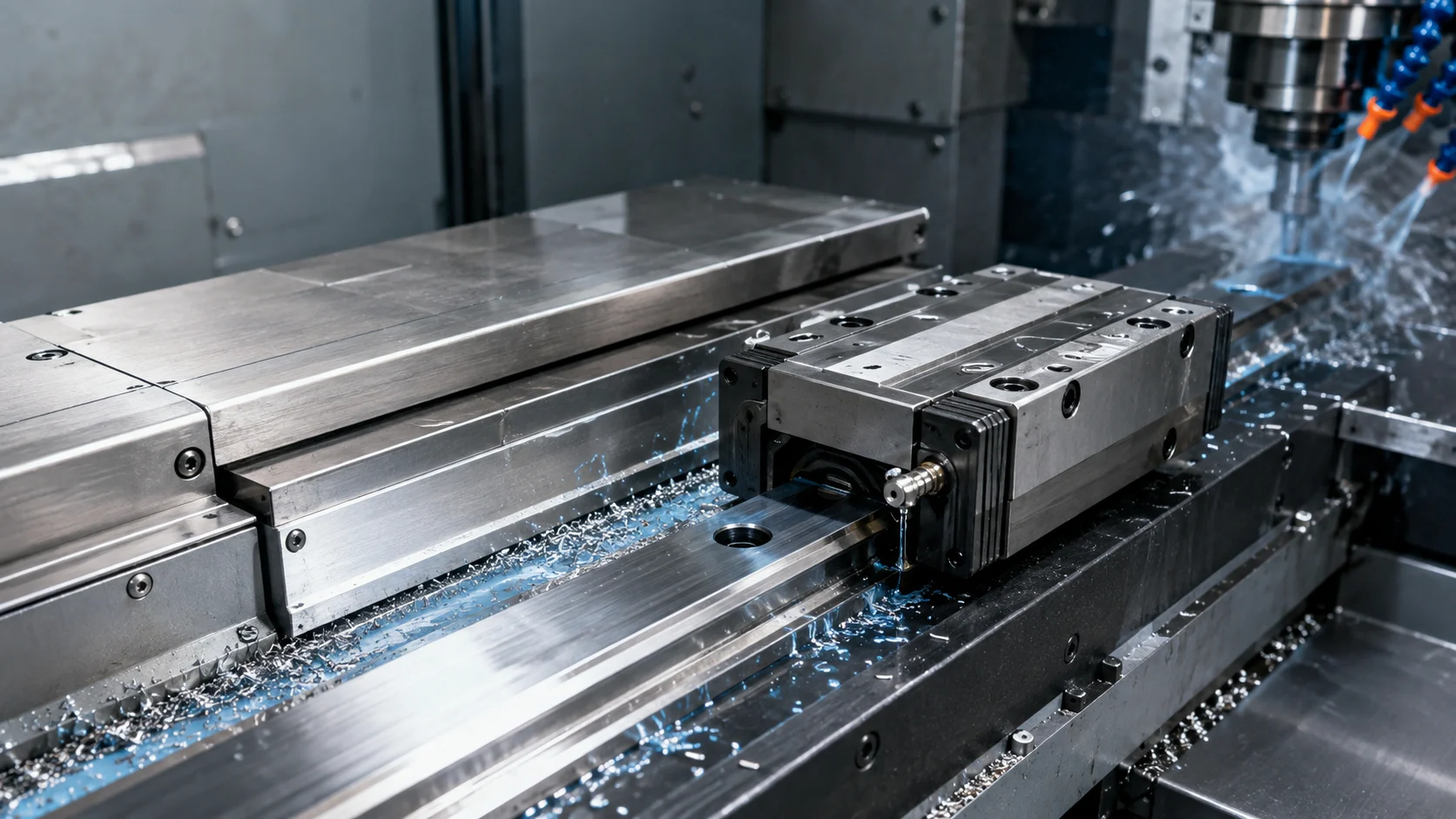
يُعدّ معرفة كيفية حماية الموجهات الخطية من سائل التبريد ورقائق المعدن أمرًا بالغ الأهمية عند تشغيل آلة CNC أو مركز تشغيل أو نظام إنتاج آلي بالقرب من مخلفات القطع ورذاذ السوائل. إذ يمكن لسائل التبريد أن يحمل جزيئات دقيقة إلى كتلة التوجيه، ويخفف أو يُزيح مواد التشحيم، ويساهم في التآكل. كما يمكن للرقائق الحادة أن تُتلف موانع التسرب وتُخدش أسطح القضبان الدقيقة. لذا، تتطلب الحماية الفعّالة للموجهات الخطية أكثر من مجرد إضافة الشحم، بل يجب أن تشمل موانع تسرب مناسبة، وكاشطات، وحماية لسطح القضبان، وأغطية خارجية، وفحصًا دوريًا، وعملية واضحة لاتخاذ قرار الاستبدال.
كيف تتسبب سوائل التبريد ورقائق المعادن في تلف الموجهات الخطية
كيفية دخول سائل التبريد إلى كتلة التوجيه وتأثيره على التشحيم
يتفاوت تعرض سائل التبريد من رذاذ متقطع إلى تناثر مباشر مستمر. قد يتجمع السائل في فتحات تثبيت القضبان، أو يتسرب أسفل حواف مانع التسرب التالفة، أو يحمل جزيئات دقيقة باتجاه مدخل المحرك. عند اختلاطه بالشحم، قد يُغير سائل التبريد من قوام مادة التشحيم ويقلل من طبقة التشحيم المستقرة اللازمة بين أسطح الدوران.
ينبغي على فرق الصيانة البحث عن شحم يبدو رقيقًا بشكل غير معتاد، أو متغير اللون، أو ملوثًا، أو متسربًا من الكتلة. قد تشير علامات الصدأ، أو التنقر، أو زيادة مقاومة الحركة، أو الخشونة المتكررة بعد التشحيم إلى أن المشكلة لم تعد مقتصرة على الجزء الخارجي من الدليل.
قد يُفيد إضافة الشحم عندما يكون الدليل نظيفًا وتكون مشكلة نقص التشحيم مؤكدة. لكن هذا لا يُغني عن إصلاح الأختام التالفة، أو إزالة الملوثات العالقة، أو معالجة التعرّض المباشر لسائل التبريد.
كيف تُلحق رقائق المعدن الضرر بالأختام والسكك الحديدية والأسطح الدوارة
تُشكّل رقائق المعدن مخاطر مختلفة تبعًا لحجمها وشكلها ودرجة حرارتها واتجاه حركتها. قد تختلط الجزيئات الدقيقة بالشحوم مُشكّلةً مادة كاشطة. قد تُلحق الرقائق الحادة ضررًا بالماسحة أو حافة مانع التسرب، بينما قد تعلق الرقائق الأكبر حجمًا في فتحات التثبيت أو تُسحب على طول السكة. كما قد تُلحق الرقائق الساخنة ضررًا بمواد منع التسرب التي لم تُصمّم لتحمّل هذا النوع من التعرّض.
قد لا تتطلب بعض الشظايا الصغيرة على سكة غير متضررة سوى تنظيف دقيق. أما الخدوش المتكررة، أو الانبعاجات، أو التآكل، أو تلف حواف مانع التسرب، أو الحركة الخشنة في نفس موضع السكة، فتشير إلى مشكلة أكثر خطورة. إذا استمرت المقاومة بعد إزالة الملوثات الظاهرة، فيجب فحص الدليل قبل إعادته إلى سرعته وحمله الطبيعيين.
ما هي خيارات حماية الدليل الخطي التي يجب عليك استخدامها؟
لا يوجد ملحق واحد يغطي جميع مسارات التلوث. قد يحتاج نظام حماية الدليل الخطي لآلة التحكم الرقمي الحاسوبي إلى عدة طبقات، خاصةً عندما تنتج عمليات القطع كلاً من سائل التبريد والرقائق الصلبة.
| حالة التشغيل | الخطر الرئيسي | نهج الحماية النموذجي | مخاطر الاختيار |
|---|---|---|---|
| رذاذ سائل التبريد أو رذاذ خفيف | تلوث الشحوم | موانع التسرب، والمساحات، والتحكم في التشحيم | توافق مادة الختم |
| رقائق البطاطس الحادة أو الساخنة | تلف في الختم والسكك الحديدية | كاشطة معدنية وحماية أعلى السكة | زيادة في مقاومة الهواء وتقليل الخلوص الأرضي |
| سقوط رقائق مباشرة وتناثر كثيف | مسارات دخول متعددة | غطاء خارجي بالإضافة إلى أختام أو مكاشط | تقليل حجم الشوط أو مساحة التركيب |
| تشغيل رطب أو يتطلب كمية كبيرة من سائل التبريد | التآكل والانجراف | مراجعة العزل متعدد الطبقات والتآكل | افتراضات مادية غير مدعومة |
الأختام والمساحات القياسية مقابل الكاشطات المعدنية
تعمل موانع التسرب الطرفية والمساحات على إزالة التلوث الخفيف أثناء تحرك الكتلة على طول السكة. وقد تكون موانع التسرب الجانبية أو السفلية مفيدة عند اقتراب الرذاذ أو الحطام من اتجاه آخر. وتناسب هذه الخيارات عمومًا البيئات الخاضعة للتحكم حيث تكون الجسيمات صغيرة ويكون التأثير المباشر محدودًا.
تُضيف الكاشطة المعدنية طبقة حماية أولية أكثر صلابة ضد الرقائق الكبيرة أو الحادة أو الساخنة. وهي تحمي الطبقة الرقيقة خلفها، لكنها لا تُغني عن منع التسرب أو التشحيم. قد تُزيد الكاشطات من المقاومة وتتطلب مساحة إضافية في نهاية الكتلة.
قبل تحديد أي من الخيارين، تأكد من تكوين الكتلة، واتجاه التركيب، والمسافة المتاحة، وسرعة التشغيل، واتجاه التلوث. قد تختلف ترتيبات مانع التسرب أو الكاشطة المتاحة حسب حجم الدليل وتكوينه. (للمراجعة من قبل المشترين) خيارات المحامل الخطية والموجهات ينبغي التحقق من ميزات الحماية مقابل مواصفات المنتج الفعلية بدلاً من افتراض أن أبعاد الكتلة المماثلة توفر نفس نظام الإحكام.
أغطية القضبان وشرائط التغطية مقابل الأغطية الخارجية
قد تتجمع السوائل والشوائب في فتحات تثبيت السكة. وعند مرور الكتلة فوقها، قد تُسحب الملوثات العالقة باتجاه مانع التسرب. تُغلق أغطية السكة الفردية كل فتحة، بينما يوفر شريط التغطية المتصل سطحًا أكثر نعومةً أعلى السكة مع عدد أقل من مصائد الجسيمات.
تحمي هذه الإجراءات سطح السكة، لكنها لا تمنع سقوط الحطام الثقيل مباشرةً على المجموعة الكاملة. توفر الأغطية المرنة والتلسكوبية واللفافة عزلاً أوسع في مناطق التشغيل المكشوفة. وتعتمد ملاءمتها على طولها في وضع الفتح والانضغاط، ومسافة الحركة، والسرعة، ونقاط التثبيت، ومكونات الآلة المجاورة.
تُعدّ الأغطية الخارجية أقل ملاءمةً عندما لا تستوعب الآلة أبعادها المضغوطة، أو عندما يعيق الغطاء عمل الحساسات أو خطوط التشحيم أو حركة الآلة الكاملة. ينبغي التحقق من هذه القيود أثناء تصميم الآلة أو قبل الموافقة على أي تعديل لاحق.
كيفية مطابقة الحماية مع بيئة التحكم الرقمي بالحاسوب
يجب أن يبدأ الاختيار بنوع الملوث، وليس باسم الملحق. سجّل ما إذا كانت الآلة تُنتج مواد كاشطة دقيقة، أو رقائق حادة طويلة، أو رقائق ساخنة، أو رذاذ سائل تبريد، أو رذاذًا مباشرًا، أو مزيجًا من ذلك. ثم حدد مكان وصول التلوث إلى الدليل: من الأعلى، أو الأسفل، أو الجانب، أو على طول السكة.
قد تتطلب الموجهات الأفقية والرأسية والجانبية والمقلوبة ترتيبات إحكام مختلفة. يمكن أن تؤدي السرعة العالية إلى زيادة تآكل مانع التسرب وحركة الغطاء، بينما قد تجعل المسافة الطويلة طول الغطاء المضغوط قيدًا تصميميًا.
تُعدّ التركيبة الكيميائية لسائل التبريد مهمة أيضاً، ولكن يجب التحقق من توافق المواد مع مواصفات الدليل، والمانع للتسرب، ومادة التشحيم، وسائل التبريد. ولا يكفي وصف عام مثل "مقاوم لسائل التبريد" لاتخاذ قرار الشراء.
كيفية فحص وصيانة الموجهات الخطية في الآلات الملوثة
ما يجب فحصه أثناء الصيانة الدورية
يجب أن يشمل الفحص أكثر من مجرد سطح السكة المرئي. تحقق من حواف مانع التسرب بحثًا عن أي قطع أو تشوه أو تصلب أو جزيئات عالقة. افحص الكاشطات بحثًا عن أي تلف، وتأكد من أن أغطية السكة وشرائط التغطية والأغطية الخارجية مثبتة بإحكام. ابحث عن سائل التبريد المحتبس في فتحات التثبيت، وتسرب الشحوم، والتآكل، والخدوش، والتغيرات في صوت التشغيل.
يُساعد موقع التلوث في تحديد مسار دخوله. قد يُشير تركز الحطام عند أحد طرفي الكتلة إلى تلف في مانع التسرب الطرفي. وقد يُشير التلوث أسفل العربة إلى عدم كفاية الحماية السفلية. كما قد تُشير بقعة خشنة تتكرر عند نفس موضع السكة إلى تلف موضعي في السكة.
عندما تتعطل الآلة أو تطحن أو تصبح خشنة بالقرب من أحد طرفي مسارها، استخدم العملية المتبعة لـ تشخيص انحشار أو تآكل الدليل الخطي قبل طلب قطع الغيار.
متى يكون التنظيف وإعادة التشحيم مناسبين
قد يكون التنظيف مناسبًا عندما يكون التلوث لا يزال في متناول اليد، ولا يوجد تلف ظاهر في مجرى الكرات، ولا تزال الكتلة تتحرك بسلاسة. استخدم طريقة متوافقة مع دليل التشغيل ومواصفات مواد التشحيم. تجنب إدخال الرقائق المعدنية أسفل مانع التسرب، أو ضخ سوائل تنظيف غير معروفة عبر الكتلة، أو استخدام الشحم المضاف كحل شامل.
لا تقم بصقل أو تلميع مجرى الكرات الدقيق كجزء من الصيانة الدورية. تتطلب الانبعاجات الظاهرة، أو التقشر، أو التآكل، أو الخشونة المتكررة مزيدًا من التقييم.
بعد التنظيف أو تعديل التشحيم، اختبر حركة الماكينة بالكامل بسرعة منخفضة وبدون حمل، حيثما يسمح بذلك إجراء التشغيل. تأكد من سلاسة الحركة قبل العودة إلى الحمل وسرعة الإنتاج الطبيعية. إذا استمرت الأعراض، توقف عن التنظيف المتكرر وافحص المحاذاة، أو وجود تلف داخلي، أو توافق المكونات.
هل يجب تنظيف الدليل الخطي، أو ترقية نظام الحماية، أو استبداله؟
متى قد يكون تحديث الحماية كافياً
قد يكون التحديث مناسبًا عندما يكون القضيب نظيفًا وسليمًا، وتبقى الحركة سلسة، ويقتصر التلوث على الأسطح الخارجية المكشوفة. تشمل الإجراءات الممكنة استبدال الأختام البالية، وإضافة مكشطة مناسبة، وحماية فتحات التثبيت، وإعادة توجيه تدفق سائل التبريد، أو تركيب غطاء خارجي.
ينبغي أن يُعالج التغيير مسار دخول الملوثات الفعلي. لن يؤدي إضافة غطاء علوي إلى حل مشكلة دخول الملوثات من أسفل كتلة مقلوبة. كما قد لا يكون استخدام مانع تسرب أثقل مناسبًا إذا أثرت مقاومة الهواء الإضافية على نظام تحديد المواقع الحساس.
بعد التحديث، وثّق الإعدادات وافحصها بعد فترة تشغيل أولية. يشير التلوث المتكرر عادةً إلى أن مستوى الحماية المُختار أو تصميم التركيب لا يتناسب مع البيئة.
عندما يتطلب تلف السكة أو الحاجز إجراء تقييم للاستبدال
تزداد احتمالية استبدال القضيب عندما يكون به انبعاجات أو تآكل أو خدوش أو تقشر، أو عندما يبقى سطح القطعة خشنًا على جزء نظيف. قد تظهر نفس الأعراض على قطعة جديدة مثبتة على قضيب تالف، لذا لا ينبغي الاعتماد على الأبعاد الخارجية وحدها في اتخاذ القرار.
قد يُنظر في استبدال الكتلة فقط عندما يكون القضيب سليمًا، ويتم التحقق من السلسلة، والتحميل المسبق، والدقة، والأختام، وترتيب التركيب. أما استخدام مجموعة قضيب وكتلة متطابقة فهو خيار أكثر أمانًا عندما يتعذر تحديد الأجزاء الموجودة، أو عندما يكون تاريخ خدمة القضيب غير معروف، أو عندما تكون دقة التموضع بالغة الأهمية.
استخدم التفاصيل فحوصات استبدال الدليل الخطي لمراجعة ملاءمة الكتلة، وحالة السكة، والتحميل المسبق، والدقة، وإمكانية الوصول إلى التشحيم، والختم قبل الموافقة على البديل.
ما يجب التأكد منه قبل شراء دليل خطي محمي أو بديل
ما هي المعلومات الفنية التي يجب تضمينها في طلب تقديم العروض؟
ينبغي أن يتضمن طلب عرض الأسعار المفيد تحديد رمز الطراز الحالي، وأبعاد السكة والكتلة، ونوع الكتلة، واتجاه التركيب، وطول السكة، والشوط، والسرعة، واتجاه الحمل، والدقة المطلوبة أو التحميل المسبق إن أمكن. يجب تضمين رسومات أو صور فوتوغرافية واضحة تُظهر فتحات التركيب، ومنافذ التشحيم، والأختام، والكاشطات، والمساحة المحيطة بالآلة.
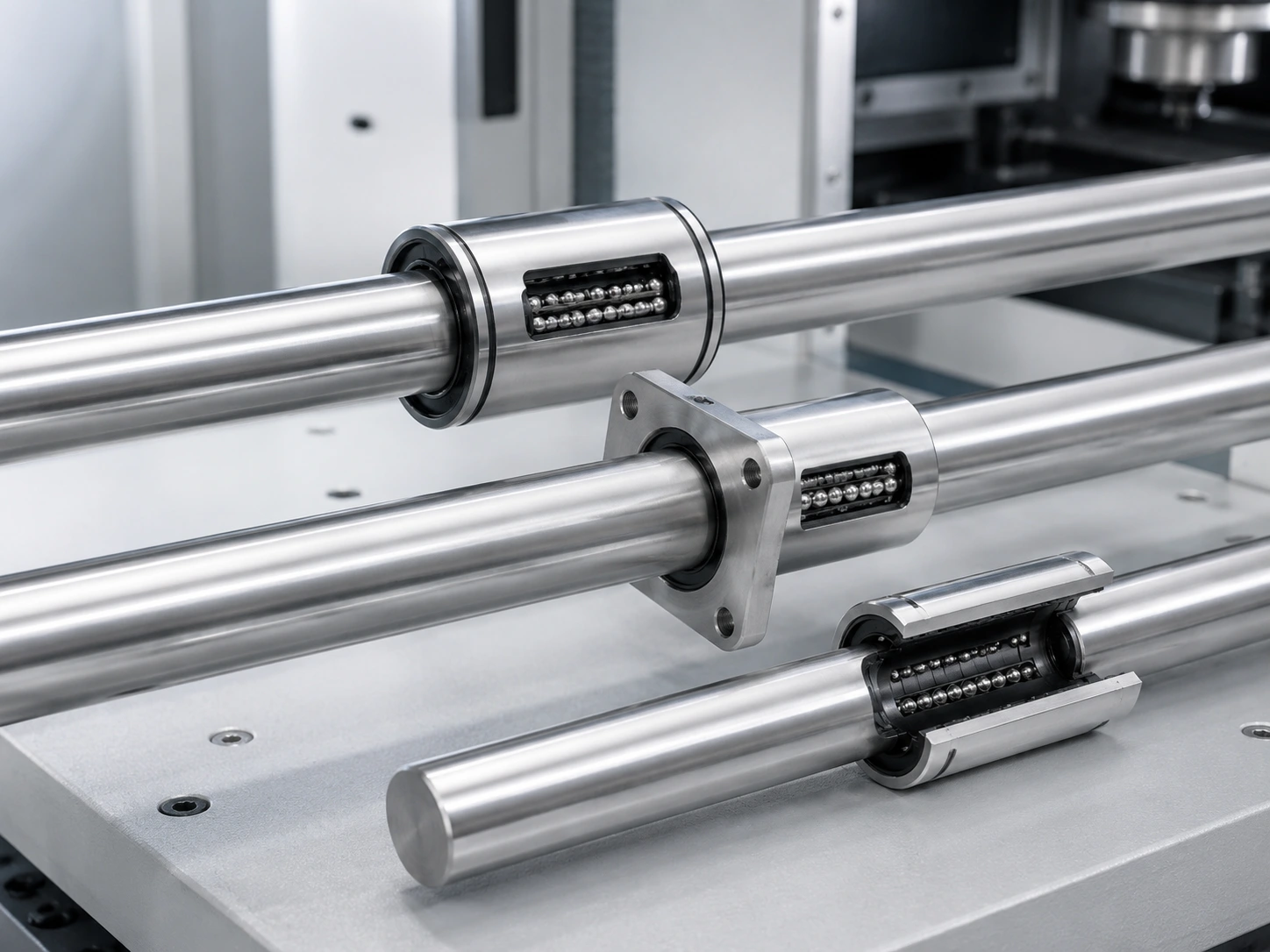
صف بيئة التشغيل بعبارات عملية. حدد نوع سائل التبريد إن كان معروفاً، وما إذا كان التعرض رذاذاً أو تناثراً مباشراً، والشكل التقريبي للرقاقة، واتجاه التلوث، وأعراض العطل، والكمية المطلوبة، وما إذا كان الطلب يتعلق باستبدال الصيانة، أو تصنيع من قبل الشركة المصنعة الأصلية، أو مخزون قطع غيار مخطط له.
تتيح هذه المعلومات للمورد تقييم التطبيق بالكامل بدلاً من تقديم عرض سعر لمكون يبدو متشابهًا من حيث الأبعاد فقط.
كيفية تقييم توصية مورد دليل خطي
ينبغي للمورد المؤهل التمييز بين الأختام القياسية، وميزات الحماية الاختيارية، وأغطية الآلات الخارجية. كما يجب أن تتناول التوصية توافق القضبان والكتل، وإمكانية الوصول إلى التشحيم، وقيود التركيب، واتجاه التعرض، وما إذا كان بالإمكان فحص وصيانة التكوين المقترح بعد التركيب.
توخ الحذر عندما تؤكد التوصية عرض السكة أو أبعاد الكتلة فقط. قد يؤثر شكل مجرى الكابلات، والتحميل المسبق، والدقة، وترتيب منع التسرب، وموضع التشحيم أيضًا على مدى ملاءمتها.
محامل LQYS تُقدّم الشركة منتجات محامل خطية لتطبيقات تشمل معدات الأتمتة، وآلات CNC، وأجهزة القياس. قد تختلف الأشكال والميزات المتاحة حسب تكوين المنتج، لذا يُرجى من المشترين تقديم معلومات كاملة عن التشغيل والأبعاد للمراجعة. تُدمج الشركة أنشطة إنتاج المحامل وبيعها وتجارتها وتصديرها، مع ضرورة التأكد من ملاءمة المنتج للتطبيق المحدد والتكوين المطلوب.
استنتاج
يجب التعامل مع نظام التبريد وحماية الرقائق كجزء لا يتجزأ من نظام التوجيه الخطي، وليس كملحق يتم اختياره بعد حدوث عطل. حدد مسار التلوث، وقم بدمج موانع التسرب أو الكاشطات مع الحماية العلوية والخارجية للسكك الحديدية عند الضرورة، وحافظ على إمكانية الوصول إلى التشحيم، وافحص الدليل بحثًا عن أي تلف قبل إعادته إلى الخدمة.
للحصول على بديل أو مراجعة الطلب، يمكن للمشترين إرسال استفسار عن دليل خطي مع ذكر رقم الطراز، والأبعاد، واتجاه التركيب، والرسومات، وظروف التشغيل، والكمية المستهدفة، وصور الأعطال. هذا يُسهم في مناقشة أكثر دقة لتكوين المنتج ومتطلبات الاستبدال دون افتراض التوافق بناءً على الحجم فقط.
الأسئلة المتداولة
كيف تحمي الموجهات الخطية من سائل التبريد ورقائق المعدن؟
استخدم طبقات حماية متعددة حسب درجة التعرض: موانع تسرب أو ماسحات للتلوث الخفيف، وكاشطات للرقائق الصلبة، وأغطية للسكك أو شرائط تغطية لفتحات التثبيت، وأغطية خارجية للرذاذ المباشر أو الحطام المتساقط. تأكد من المساحة، والشوط، والسرعة، وإمكانية الوصول إلى التشحيم، وتوافق المواد.
هل تكفي موانع التسرب الخطية القياسية لسائل التبريد في آلات CNC؟
قد تكون هذه كافية للرذاذ الخفيف أو التناثر المتحكم فيه. أما التدفق المباشر لسائل التبريد، أو السوائل الملوثة، أو الشظايا الحادة، أو التعرض من عدة اتجاهات، فقد يتطلب الأمر استخدام موانع تسرب إضافية، أو كاشطات، أو حماية للسكك الحديدية، أو غطاء خارجي.
هل يمكن لسائل التبريد أن يزيل الشحم من الدليل الخطي؟
قد يُخفف سائل التبريد الشحم أو يُزيحه أو يُلوثه، وذلك بحسب درجة تعرضه وتكوين المنتج. افحص حالة مواد التشحيم، والأختام، والتآكل، وجودة الحركة. يجب التحقق من نوع الشحم المناسب وطريقة الصيانة الصحيحة وفقًا لمواصفات الدليل.
ما هي المعلومات المطلوبة للحصول على عرض سعر لاستبدال دليل التوجيه الخطي؟
يرجى تقديم النموذج الكامل، وأبعاد السكة والكتلة، وطول السكة، واتجاه التركيب، والشوط، والسرعة، ومعلومات الحمل، ومتطلبات الدقة أو التحميل المسبق، وطريقة التشحيم، وظروف التلوث، والكمية، والرسومات، والصور الفوتوغرافية للتجميع الحالي والأضرار.