

Pillow Block Bearing Vibration on a Conveyor: What to Check Before Replacement
2026-09-03
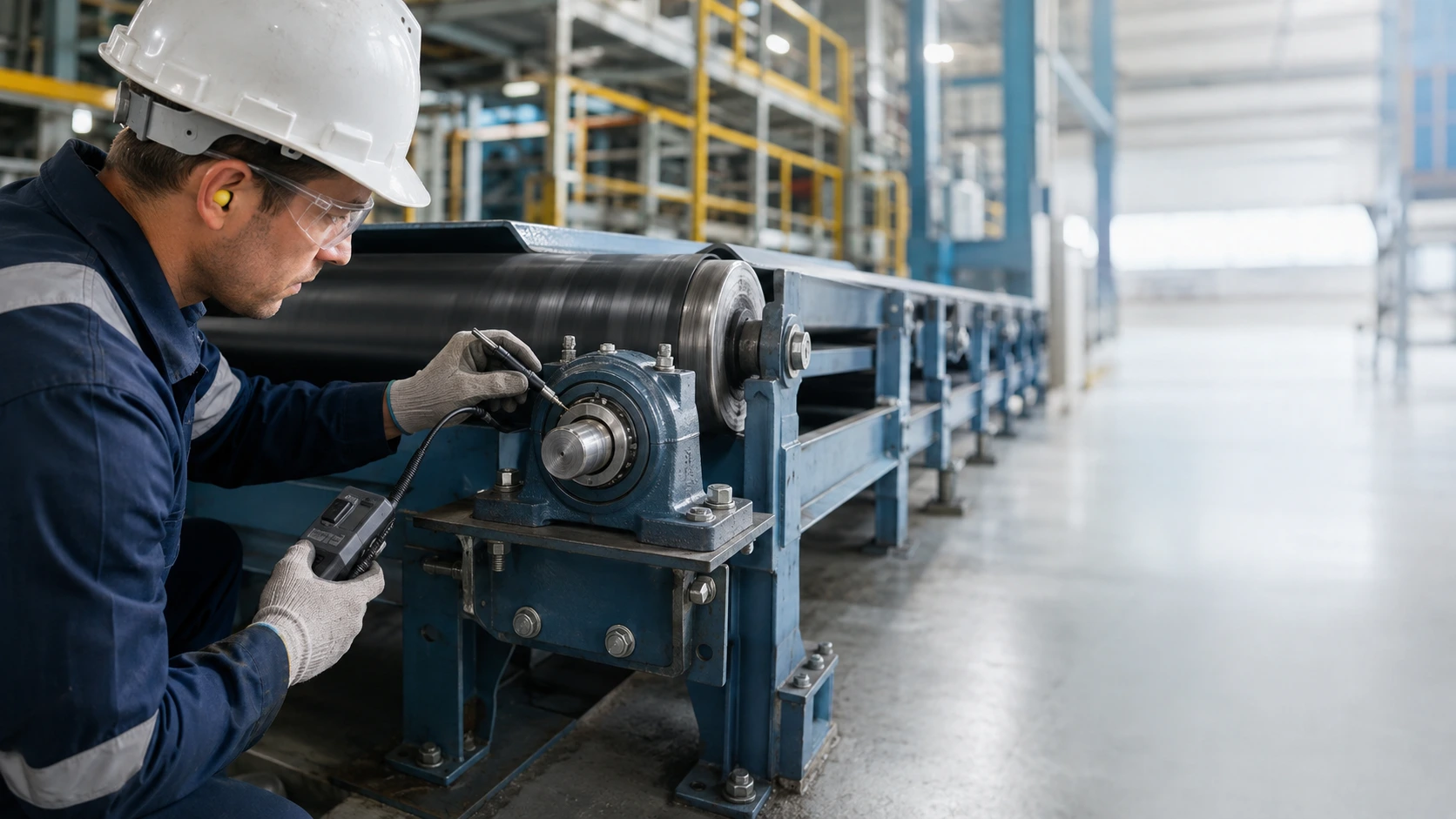
Pillow block bearing vibration on a conveyor does not automatically mean the bearing must be replaced. The source may be a loose housing, uneven mounting surface, shaft misalignment, excessive belt tension, contamination, or vibration transmitted from the pulley and frame. Replacing the unit without correcting the underlying condition can leave the conveyor with the same noise, heat, and vibration. A reliable decision begins by identifying where the vibration originates, how it changes during operation, and whether the bearing shows physical evidence of damage.
Why Is a Conveyor Pillow Block Bearing Vibrating?
Conveyor bearing vibration should be treated as a system problem until inspection shows otherwise. The bearing, shaft, pulley, belt, drive, and supporting structure interact, so vibration measured at the housing may have started somewhere else.
Separate Bearing Vibration from Belt, Pulley, Shaft, and Frame Problems
Begin by comparing vibration at both bearing housings, the shaft, nearby frame members, the pulley, and the drive end. If the strongest movement follows a rotating pulley or appears across a large section of the frame, replacing one pillow block may not correct it. If vibration, roughness, or noise is concentrated at one housing, the bearing unit deserves closer inspection.
Also note whether the problem disappears when the belt is unloaded. This comparison helps distinguish bearing damage from pulley imbalance, belt tracking problems, loose structural components, and transmitted drive vibration.
Observe Changes in Speed, Load, and Belt Tension
Record when the vibration begins and whether its intensity changes with conveyor speed, product load, startup, shutdown, or belt tension. Vibration that rises sharply under load may point to shaft deflection, excessive radial loading, a weak mounting surface, or alignment that changes as the structure moves.
A problem that appears only within a narrow speed range may involve structural resonance rather than bearing failure. These observations do not replace measurement, but they help maintenance teams decide where to inspect first and what operating information a replacement supplier will need.
Seven Checks Before Replacing the Pillow Block Bearing
Before removing the bearing, stop and isolate the conveyor according to the facility’s safety procedure. The following checks help determine whether adjustment is reasonable or whether the bearing or complete mounted unit should be replaced.
Mounting Bolts and Housing Movement
Inspect the housing bolts, washers, mounting slots, and surrounding base for looseness, polished contact marks, fretting, or movement. A housing that shifts under load can create noise and bearing housing vibration even when the rolling elements remain serviceable.
Retightening may be appropriate when the fasteners and mounting surface are undamaged, but it should not be used to conceal elongated holes, cracked supports, or repeated loosening. Confirm the required fastener condition and tightening procedure against the equipment documentation rather than applying an assumed torque value.
Base Flatness and Soft Foot
Check whether the housing sits evenly on its mounting surface before tightening the bolts. Dirt, paint buildup, weld distortion, shims, or an uneven base can twist the housing and alter the alignment of the insert bearing. This is especially relevant when vibration appeared after installation or structural repair.
If one mounting foot lifts or a gap changes as the bolts are tightened, correct the support surface before installing another unit. A new bearing placed on the same distorted base may develop the same symptoms and an unnecessarily short service life.
Shaft Alignment, Runout, and Deflection
Pillow block bearing misalignment may result from bearing centers that are not positioned on the same shaft axis, a bent shaft, worn shaft surfaces, or structural deflection under load. Rotate the shaft according to the maintenance procedure and look for changes in runout, resistance, and clearance.
When vibration remains synchronized with shaft rotation after the belt or driven load is removed, inspect the shaft before ordering a replacement. Shaft tolerances and acceptable alignment depend on the application and should be verified against the relevant equipment and bearing specifications.
Insert Locking and Shaft Fit
Inspect the insert bearing’s locking arrangement, the shaft contact area, and any set screws or related locking components. A loose fit may allow relative movement between the insert and shaft, while an incorrect shaft diameter or damaged surface can prevent secure mounting.
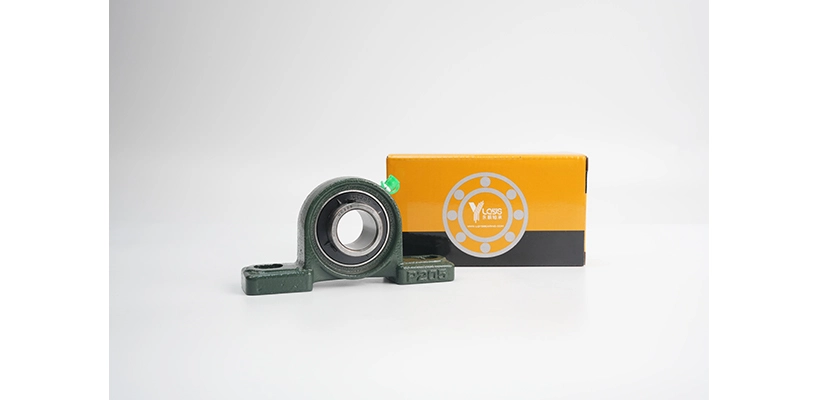
For example, a UCP series pillow block bearing may use a set-screw locking arrangement, but the exact configuration must be confirmed from the product model. When requesting a replacement, provide the full unit designation, shaft diameter, locking method, and photographs of the shaft and removed unit.
Lubrication Condition
Too little lubricant can increase friction, noise, and temperature, but adding grease is not an appropriate response to every vibrating bearing. Excess grease, an incompatible lubricant, or a blocked relief path may also raise operating resistance and temperature.
Review the maintenance record and inspect the condition of lubricant around the seals. If relubrication is permitted, the grease type, quantity, and interval should follow the bearing and equipment requirements. Fixed lubrication intervals should not be assumed because operating speed, load, temperature, contamination, and bearing configuration may vary.
Contamination and Seal Condition
Dust, moisture, process debris, and damaged seals can allow contaminants to enter the bearing and degrade its internal surfaces. Look for displaced seals, leaking or discolored lubricant, corrosion, and gritty or irregular rotation during a controlled inspection.
Cleaning the exterior may be sufficient when contamination has not entered the bearing. It is not sufficient when the seal is damaged or internal roughness remains. For replacement procurement, describe the operating environment so the supplier can check whether the proposed sealing and bearing configuration are appropriate for the application.
Belt Tension, Load, Temperature, and Noise
Excessive belt tension increases the radial load acting through the pulley and shaft. Uneven loading, material buildup, impact, or a seized conveyor component may create similar effects. Check belt condition and tension using the conveyor manufacturer’s procedure before blaming the mounted bearing alone.
Compare temperatures and sounds at paired bearing locations under similar conditions. A single hot or noisy unit may indicate localized damage, but equal heating at both ends could reflect load or lubrication conditions. Avoid using a universal temperature or vibration limit without considering the machine and product specifications.
When Is Adjustment Enough, and When Is Replacement Necessary?
The decision should combine inspection findings rather than rely on one symptom. A corrected installation issue should also be followed by a controlled restart and comparison with the previous operating condition.
Problems That May Be Corrected Without Replacement
Adjustment may be reasonable when the bearing rotates smoothly, the housing and seals remain intact, and the cause can be traced to loose mounting hardware, an uneven base, minor alignment error, incorrect belt tension, or an external vibrating component. The correction should remove the underlying condition, not merely reduce the visible symptom.
After adjustment, monitor noise, temperature, housing movement, and vibration under comparable speed and load. If the problem returns, stop repeated tightening or relubrication and inspect the shaft, mounting structure, and bearing more thoroughly.
Signs That Support Bearing or Complete Unit Replacement
Replacement becomes more appropriate when inspection reveals persistent roughness, abnormal internal clearance, damaged seals, corrosion, visible raceway or rolling-element damage, repeated overheating, or a locking interface that can no longer hold securely. A housing with cracks, distorted mounting features, or damaged bolt holes may justify replacing the complete unit rather than only the insert.
The shaft and mounting surface must still be inspected. Installing a new bearing on a worn shaft, misaligned support, or unstable base transfers the original failure mechanism to the replacement.
How to Select a Replacement Pillow Block Bearing for a Conveyor
A replacement should match both the mounting arrangement and the operating conditions. Similar-looking units may differ in dimensions, locking method, housing style, and application suitability.
Match the Shaft, Housing, and Mounting Dimensions
Confirm the shaft diameter, housing style, mounting-hole spacing, center height, base dimensions, insert designation, and locking arrangement. Review available pillow block bearing options rather than selecting from appearance alone.
LQYS Bearings lists UCP, UCF, UCFL, UCFC, UCFB, and UCT series within its pillow block bearing range. These housing styles serve different mounting arrangements and should not be treated as automatically interchangeable. When the existing housing style is uncertain, the guide to UCF vs UCP vs UCFL differences can help identify which mounting features require closer comparison.
Confirm the Operating Conditions
Provide conveyor speed, load direction, estimated load, duty cycle, installation orientation, belt or chain arrangement, ambient temperature, and exposure to dust, water, cleaning agents, or process debris. Include details of shock loading and frequent starts if they are part of the application.
These factors help determine whether a candidate bearing is suitable, but suitability should be verified against the product specification. A matching shaft diameter is only one part of the decision; mounting geometry and the conditions that caused the original vibration matter just as much.
What to Send a Pillow Block Bearing Supplier
A useful replacement inquiry allows the supplier to check the unit instead of guessing from a general description. Include:
-
The complete bearing and housing markings
-
Shaft diameter and measured mounting dimensions
-
Housing style and locking method
-
Conveyor speed, load, and operating schedule
-
Installation orientation and surrounding environment
-
Required quantity
-
Equipment drawings, when available
-
Photos of the unit, shaft, base, and damaged areas
-
Notes on vibration, noise, temperature, and when the problem occurs
A suitable supplier should review these details, identify missing information, and explain which dimensions or operating conditions still require confirmation. LQYS Bearings publishes pillow block bearing category and product pages that can support initial series identification. Final matching still depends on the model, dimensions, load, operating environment, and configuration supplied with the inquiry.
Conclusion
Conveyor bearing replacement should follow diagnosis, not replace it. Check the vibration source, mounting surface, alignment, shaft condition, locking method, lubrication, contamination, belt tension, and load before ordering a new unit. Correcting these conditions reduces the risk that the replacement will develop the same problem.
For replacement review, contact LQYS Bearings with the model, shaft and mounting dimensions, operating conditions, target quantity, drawings, and clear photos of the bearing and fault area. This gives the supplier a more reliable basis for checking the available configuration.
FAQs
Why is my pillow block bearing vibrating after installation?
Common causes include an uneven base, loose bolts, shaft misalignment, incorrect fit, or an improperly secured locking arrangement. Recheck the installation before assuming the new bearing is defective.
Can excessive conveyor belt tension damage a pillow block bearing?
Excessive tension can increase radial loading through the pulley and shaft. Verify the tension using the conveyor manufacturer’s procedure and inspect the shaft, alignment, and bearings together.
How do I tell whether the bearing or shaft is causing the vibration?
Compare vibration at the housing, shaft, pulley, frame, and opposite bearing. Check shaft runout, surface wear, alignment, and whether vibration remains after removing the driven load where the maintenance procedure permits.
Should I replace the insert or the complete pillow block unit?
An insert-only replacement may be considered when the housing, locking features, mounting holes, and base remain serviceable. Replace the complete unit when those components are damaged, distorted, or cannot securely retain the bearing.
What information is needed to quote a conveyor pillow block bearing?
Provide the old model, shaft diameter, housing style, mounting dimensions, locking method, speed, load, environment, quantity, drawings, and photographs. Missing application data can prevent reliable replacement matching.