

SKF, NSK, FAG Bearing Suffix Meaning: A Practical Ordering Guide for Industrial Buyers
2026-07-03Buyers from industries generally seek the SKF NSK FAG Bearing Suffix Meaning following codes like C3, 2RS, ZZ, DDU, K, W33, M, or TVP on an old bearing, quotation form, blueprint, or maintenance requisition form. Such suffixes are not just random letters. Rather, they stand for clearance, seal arrangement, shield, cage, bore, lubrication, or application information. For distribution companies, maintenance departments, OEM buyers, or repair shops, a little mistake in the suffix could result in the procurement of wrong bearings, downtime of the machine, increased costs of replacement, or improper installation.

Why Bearing Suffixes Matter Before Ordering
A Suffix Can Change the Actual Product
A bearing number normally starts with the basic designation indicating the bearing type and its dimensions. Nonetheless, the suffix normally reveals to the customer the configuration of the bearing when in actual use. Bearings having identical numbers may differ in their clearance, seals, shields, cages, bore construction, and lubrication design.
That is why the understanding of bearing suffix meaning plays a vital role in purchasing risk control. The client ordering only using the basic number may end up having a bearing with standard clearance when C3 clearance is required by the equipment. In addition, the client may receive a shielded bearing while the equipment requires rubber sealing to protect it from dust. The item may fit dimensionally but still perform poorly in service.
Common Problems Caused by Wrong Suffixes
Suffix mistakes often happen during replacement. A maintenance team removes a bearing from a motor, pump, gearbox, conveyor, or fan, records the main number, and sends it to purchasing. The dimensions match, but the replacement later runs hot, becomes noisy, leaks grease, or fails earlier than expected.
The cause is not always poor bearing quality. A wrong clearance suffix can affect heat and running fit. A wrong seal suffix can reduce contamination protection or increase friction. A cage suffix mismatch may matter in high-speed, high-temperature, or heavy-duty applications. Before placing a bulk order, the full bearing designation should be treated as a specification, not just a label.
How to Read Bearing Suffixes for Replacement
Check the Full Marking, Not Only the Main Number
The first step is to collect the complete marking from the bearing ring, original package, equipment manual, maintenance list, or drawing. If the marking is damaged, buyers should provide photos, dimensions, machine type, operating conditions, and failure symptoms instead of guessing.
Suffixes usually appear after the basic designation. One bearing code may include several suffixes at once, such as a clearance suffix plus a seal suffix, cage suffix, or lubrication-related suffix. Missing one part of the code can change the product being ordered.
Do Not Assume Every Brand Uses the Same Suffix Language
SKF, NSK, and FAG suffixes may look similar in some common cases, but they should not be treated as fully interchangeable. Suffix language can vary by brand, product series, bearing type, and regional catalog practice. This matters when buyers are comparing brands, using a bearing suffix cross reference, or replacing one brand with another.
A same basic number may confirm similar dimensions, but suffixes can still change sealing, clearance, cage design, bore type, lubrication features, or special design details. For bulk purchasing or critical equipment, brand-to-brand replacement should be confirmed before ordering.
Common Bearing Suffixes Buyers Should Confirm
C3, C4, and Bearing Clearance Suffixes
C3 and C4 are among the most common bearing clearance suffixes. In general purchasing language, C3 means greater-than-normal internal clearance, while C4 means a larger clearance class. These suffixes are often discussed in motors, pumps, gearboxes, fans, crushers, high-temperature equipment, and applications using interference fits.
The right question is not only “what does C3 mean on a bearing?” A better question is whether the machine needs C3 clearance under its actual load, speed, temperature, shaft fit, housing fit, and lubrication condition. A clearance that is too small may cause tight running and overheating. A clearance that is too large may increase noise, vibration, or unstable shaft movement.
2RS, ZZ, DDU, and Seal or Shield Suffixes
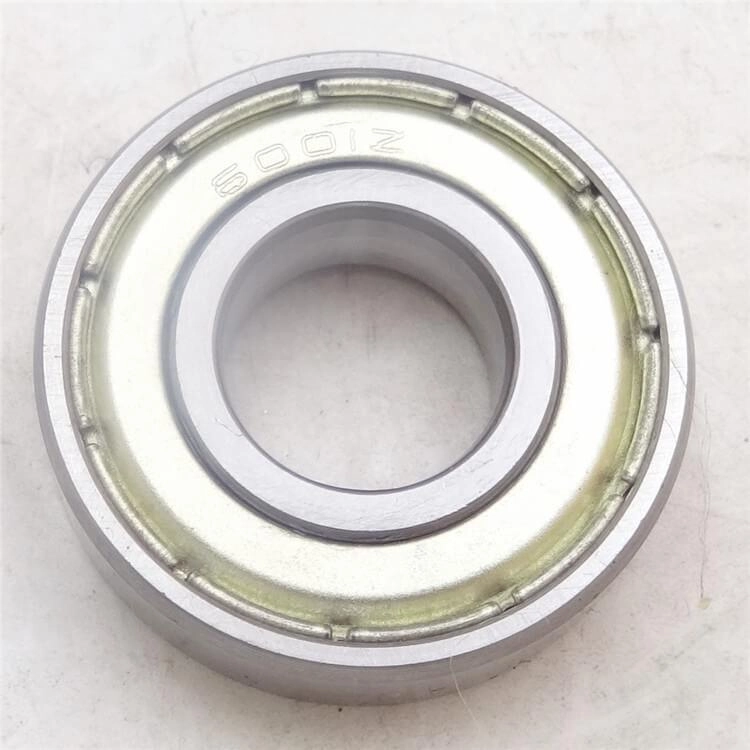
Many buyers search for 2RS vs ZZ bearing differences because the same basic bearing number can be supplied as open, shielded, or sealed. A 2RS-type suffix usually refers to rubber seals on both sides. It is often selected where dust protection, lubricant retention, or general contamination resistance is important.
ZZ is commonly associated with metal shields on both sides. Shielded bearings may suit cleaner, lower-friction, or higher-speed applications, but they usually do not provide the same protection as rubber contact seals in wet, dusty, or dirty environments. DDU is commonly seen in NSK-style seal language and should be checked by product type and brand documentation.
For purchasing decisions, sealed or shielded is not simply better or worse. The correct suffix depends on contamination, speed, friction, temperature, and maintenance requirements.
K, W33, M, TVP, and Special Design Suffixes
Some suffixes affect mounting or internal structure. K often indicates a tapered bore in many bearing designation systems, which matters when the bearing is mounted with an adapter sleeve or withdrawal sleeve. W33 is commonly associated with lubrication groove and hole features on certain roller bearings. M may refer to a brass cage in some product families, while TVP or similar suffixes may refer to polyamide cage designs depending on brand and series.
These suffixes matter in heavy-duty equipment, gearboxes, vibrating machinery, conveyors, crushers, mining equipment, paper machinery, and steel equipment. A wrong special-design suffix can create mounting problems, lubrication issues, or reduced service life.
How Wrong Bearing Suffixes Affect Machine Performance
Wrong Clearance Can Cause Heat or Noise
Internal clearance affects how the bearing behaves after mounting and during operation. If the operating clearance becomes too small, the bearing may run hot, create extra torque, or wear early. If the clearance is too large, the machine may develop noise, vibration, or unstable shaft behavior.
This is why bearing C3 meaning should always be judged in context. C3 is not a universal upgrade, and normal clearance is not automatically wrong. The correct clearance depends on the machine.
Wrong Seal Type Can Increase Contamination or Friction
A shielded bearing may not be suitable for wet, dusty, or dirty equipment if contaminants can enter the bearing area. A sealed bearing may not be suitable for every high-speed or low-friction application if seal drag and heat are concerns.
For industrial buyers, the seal or shield suffix should be matched with the working environment. A conveyor, small motor, fan, pump, agricultural machine, packaging line, or woodworking machine may require different protection and friction levels.
Wrong Cage or Bore Suffix Can Create Replacement Risk
Cage design, bore structure, and lubrication features become more important under heavy load, shock load, vibration, heat, or frequent start-stop operation. A replacement bearing may fit the shaft and housing but still fail if the suffix does not match the original application. Any suffix that changes internal construction, mounting method, lubrication access, or environmental protection should be confirmed before purchase.
Practical Ordering Checklist for Industrial Buyers
Confirm the Full Code and Application
When asking for a quote, you need to send all the information on the bearing, such as the bearing number, images, bore size, outer diameter, width, machine type, speed, direction of loading, temperature range, lubrication system, and quantity required. If your bearing failed previously, sending pictures showing discoloration, oil leakage, cage wear, raceway wear, and seal wear may help pinpoint the cause of failure.
Match the Suffix to the Working Condition
Suffixes can be verified with reference to the operating temperature, speed, radial loads, axial loads, contamination, lubricants, shaft fit, housing fit, and mounting method. In some cases, large clearances would work well where heat or tight fitting is anticipated, whereas a sealed bearing would perform much better in dusty machinery. Suffixes with tapered bores need to be verified before purchasing sleeves mount bearings.
Ask for Confirmation on Substitutions
For cross-brand replacement, urgent stock replacement, or bulk orders, written confirmation helps reduce purchasing risk. The supplier should confirm whether the proposed item matches the required clearance, seal or shield type, cage structure, bore design, lubrication feature, and main dimensions. A fast shipment is useful only when the suffix is correct.
How LQYS Bearings Supports Suffix-Based Bearing Sourcing
For buyers sourcing bearings in quantity, supplier capability matters as much as the product code. A qualified supplier should help review the full marking, identify suffix-related risks, and ask for missing application details before confirming an order.
LQYS Bearings supplies bearing products across industrial categories, including ball bearings, spherical roller bearings, cylindrical roller bearings, tapered roller bearings, needle roller bearings, angular contact ball bearings, miniature bearings, linear bearings, and pillow block bearings. The industrial bearing product range can support buyers working with motors, gearboxes, conveyors, industrial machinery, automotive systems, mining equipment, textile machinery, oil-related equipment, and papermaking machinery.
Shanghai Yongheshun Import and Export Co., Ltd. integrates production, sales, trade, and export. Its company profile describes a 12,000 m² factory area, more than 40 employees, and supply experience across more than 30 export countries. Buyers who are unsure whether a suffix is equivalent can request bearing suffix confirmation by sending the full code, photos, dimensions, operating conditions, target quantity, and purchasing purpose.
Conclusion
The use of a bearing suffix may be a tiny code that brings huge buying implications. In industrial procurement of bearings, the surest way is to get all the details of the markings, learn the significance of the suffix, match it with its working conditions and also verify for possible brand interchange before placing a large volume order.
Without knowing the suffix meaning, buyers should avoid purchasing the bearing based on its basic numbering only. An inquiry with bearing code, photos, dimensions, machine type, speeds, loads, temperature, lubrication and quantities will be adequate information for the supplier to evaluate the order. LQYS Bearings could assist the buyer in product recommendation, sample and quote.
FAQs
Q1: What does C3 mean on an SKF, NSK, or FAG bearing?
A1: C3 generally refers to internal clearance greater than normal clearance. Suitability depends on bearing type, size, load, speed, shaft fit, housing fit, temperature, and operating environment. Buyers should confirm the application before ordering.
Q2: What does 2RS mean on a bearing?
A2: 2RS usually refers to rubber seals on both sides of a bearing. It is commonly selected when contamination protection and lubricant retention are important, but the exact suffix should be checked by brand and product type.
Q3: What is the difference between ZZ and 2RS bearings?
A3: ZZ usually refers to metal shields on both sides, while 2RS usually refers to rubber seals on both sides. ZZ may suit cleaner or lower-friction applications, while 2RS may suit dusty or contaminated environments.
Q4: Can a bearing be replaced if the basic number is the same but the suffix is different?
A4: Not automatically. The same basic number may confirm similar dimensions, but the suffix may change clearance, sealing, cage design, bore structure, lubrication features, or special design details. The replacement should be confirmed before purchase.
Q5: How do I avoid ordering the wrong bearing suffix?
A5: Send the complete bearing marking, photos, dimensions, machine type, speed, load direction, operating temperature, lubrication method, and target quantity to the supplier. Do not rely only on the basic bearing number when the suffix affects performance or mounting.